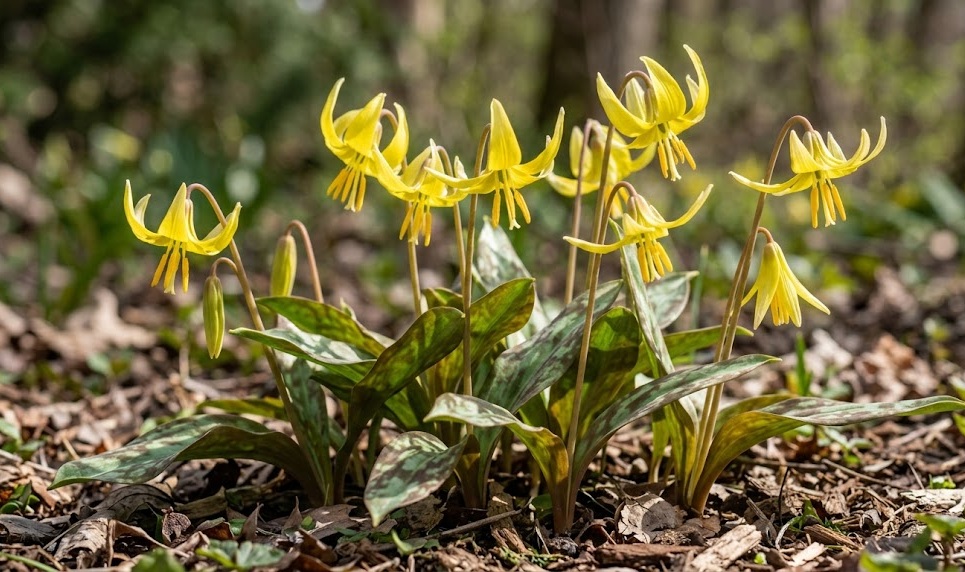

The delicate balance of moisture and nutrients is fundamental to the successful cultivation of the ‘Pagoda’ variety of dog’s tooth violet. Because these plants have a very specific and relatively short growing season, the timing of your interventions is just as important as the materials you use. You must understand that while the plant is active, its demand for water and energy is high, but this changes dramatically once it enters its summer dormancy. Mastering these two aspects of care will ensure that your plants not only survive but flourish with increasing vigor each year.
During the active growth phase in early spring, maintaining consistent soil moisture is essential for the development of healthy foliage and flowers. You should aim to keep the soil “cool and damp,” which means watering whenever the top layer begins to feel dry to the touch. This is particularly important if the spring is unseasonably warm or if there is a period of drying winds that can quickly deplete surface moisture. Regular, deep watering encourages the roots to grow further down into the soil, making the plant more resilient to future environmental stresses.
It is important to avoid overhead watering whenever possible, as getting the leaves and flowers wet can sometimes lead to fungal issues. You should direct the water toward the base of the plant, allowing it to soak directly into the root zone where it is needed most. Early morning is the best time for this task, as it allows any accidental moisture on the foliage to dry off quickly as the day warms up. Consistent moisture during the blooming period also helps to extend the life of the flowers, keeping them turgid and vibrant for a longer duration.
As the plant transitions into its dormant phase in late spring, you should gradually reduce the frequency of watering. While the bulbs should never be allowed to dry out completely like a desert plant, they do not require the same level of saturation during their “sleep” as they do when growing. Excessive water during the summer dormancy can actually be harmful, as it may lead to bulb rot in heavy or poorly drained soils. Finding the middle ground—keeping the soil barely moist but never soggy—is the secret to healthy overwintering.
Nutrient management and fertilization
Fertilizing the dog’s tooth violet requires a gentle hand, as these woodland plants are not heavy feeders in the same way that many garden annuals are. You should focus on providing a balanced environment where the nutrients are released slowly over time rather than all at once. An annual application of well-rotted leaf mold or high-quality garden compost is often all that is needed to maintain the necessary nutrient levels. This organic approach mimics the natural recycling of nutrients that occurs on a forest floor, supporting the long-term health of the soil.
More articles on this topic
If you choose to use a commercial fertilizer, a balanced, general-purpose liquid feed applied at half-strength is the safest option. You should apply this only during the early growth stage, just as the leaves are beginning to emerge from the ground. Avoid high-nitrogen fertilizers, as these can promote excessive leaf growth at the expense of the flowers and may weaken the plant’s overall structure. A single application of a balanced feed in early spring provides the necessary boost for the plant to produce its spectacular yellow blooms.
After the flowering period has ended, you might consider one final light application of a potassium-rich fertilizer. This helps the plant to build up its energy reserves within the bulb, which is crucial for the following year’s performance. However, you must stop all fertilization once the leaves start to yellow and the plant enters dormancy, as it can no longer process these nutrients. Feeding a dormant plant is not only a waste of resources but can also lead to an accumulation of salts in the soil that might damage the roots.
The pH level of your soil also plays a significant role in how well the plant can access the nutrients you provide. Dog’s tooth violets generally prefer a slightly acidic to neutral soil, typically in the range of 6.0 to 7.0. If your soil is too alkaline, the plant may suffer from nutrient deficiencies, even if you are fertilizing regularly. You can use organic amendments like composted pine needles or sulfur to gently lower the pH if necessary, creating a more hospitable environment for nutrient uptake.
Adapting to weather patterns
Your watering and fertilizing schedule should always be flexible enough to account for the unpredictable nature of spring weather. If you experience a particularly rainy spring, you may need to suspend watering entirely and keep a close eye on the drainage of your garden beds. In contrast, during a dry spell, you should be proactive in providing supplemental moisture before the plant shows signs of wilting. Being observant and responsive to the environment is the mark of a truly skilled gardener who understands the needs of their collection.
More articles on this topic
In years where the winter has been particularly harsh and the soil is depleted, you might notice that the plants look a bit less vigorous than usual. This is a situation where a very light application of an organic seaweed-based tonic can be beneficial to help “wake up” the soil biology. These tonics provide trace minerals and growth hormones that support root development without the risk of chemical burn. It is a gentle way to provide extra support when the plant is facing a difficult start to the season.
During the height of summer, even though the plant is invisible above ground, the soil temperature can affect the bulb’s health. A thick layer of organic mulch helps to insulate the soil, keeping it cool and reducing the rate of evaporation. You should check the moisture level deep in the soil occasionally during prolonged droughts to ensure the bulbs aren’t becoming desiccated. A small amount of water applied during a mid-summer heatwave can be a lifesaver for dormant woodland bulbs tucked away beneath the surface.
As autumn approaches and the temperatures begin to drop, the bulbs may start to produce new roots in preparation for the coming year. You do not need to fertilize at this time, but ensuring the soil remains naturally moist will support this unseen growth phase. Nature typically provides enough rain during the autumn months, but if the season is exceptionally dry, a light watering can help. This quiet support during the “off-season” is what leads to the most spectacular displays when spring finally returns.
Quality of water and soil interaction
The quality of the water you use can have a subtle but significant impact on the health of your dog’s tooth violets over time. Whenever possible, using collected rainwater is preferable to tap water, as it is naturally soft and free from the chlorine and fluoride found in municipal supplies. Rainwater also tends to have a slightly acidic pH, which aligns perfectly with the preferences of woodland species. If you must use tap water, allowing it to sit in a bucket for 24 hours before use can help some of the additives dissipate.
Understanding the relationship between soil texture and water retention will help you fine-tune your irrigation strategy for your specific garden. Sandy soils drain very quickly and will require more frequent, lighter watering to keep the bulbs from drying out. Clay soils, on the other hand, hold onto moisture for a long time and require careful monitoring to prevent the soil from becoming waterlogged. You can improve both types of soil by adding plenty of organic matter, which creates a sponge-like structure that holds just the right amount of water.
If you find that your soil is becoming compacted, it can prevent water and fertilizer from reaching the root zone effectively. You should avoid stepping on the garden beds where the violets are planted, as this squeezes the air out of the soil and hinders drainage. Occasionally, you might use a garden fork to gently aerate the soil around the periphery of the colony, taking great care not to hit the bulbs. Good soil structure is the “highway” that allows water and nutrients to travel to the plant’s roots efficiently.
Monitoring the color and texture of the leaves can give you valuable clues about the success of your watering and feeding program. Healthy leaves should be firm and show the characteristic mottled patterning clearly without any brown, crispy edges. If the leaves appear pale or yellowing prematurely, it might indicate a lack of nitrogen or a problem with water uptake. By learning to “read” your plants, you can make small adjustments to your care routine before any major issues develop.
Long term soil fertility
Maintaining long-term fertility in a woodland garden bed is about fostering a healthy ecosystem rather than just adding chemical inputs. You should encourage the presence of earthworms and beneficial soil microbes, as these organisms do much of the work of breaking down organic matter into usable nutrients. Leaving fallen leaves from nearby trees to decompose naturally on the surface is one of the best ways to support this process. This “closed-loop” system ensures that the soil remains rich and productive for many years without constant intervention.
Every few years, you might consider refreshing the top layer of soil by adding a few centimeters of fresh, high-quality leaf mold. This provides a new surge of organic material that will slowly work its way down into the root zone through the action of rain and soil life. It is a much more sustainable and effective way to manage fertility than relying on synthetic fertilizers alone. Your plants will respond to this natural care with increased size, more flowers, and a greater resistance to pests and diseases.
In areas where the soil is naturally poor, you can use “green manures” or cover crops in the surrounding areas during the summer to improve overall soil health. While you wouldn’t plant these directly over the bulbs, having healthy soil nearby contributes to the general vitality of the garden bed. This holistic approach to garden management benefits all your plants, creating a more resilient and beautiful landscape. The ‘Pagoda’ variety, with its appreciative response to good care, will become a focal point of this thriving environment.
Ultimately, the goal of watering and fertilizing is to support the natural cycle of the plant rather than trying to force it into unnatural growth. By observing the plant closely and respecting its woodland origins, you can provide exactly what it needs at the right time. The reward for this attentive care is a stunning display of yellow flowers that signals the true arrival of spring. With each passing year, your understanding of these beautiful plants will grow, and your garden will flourish under your expert guidance.