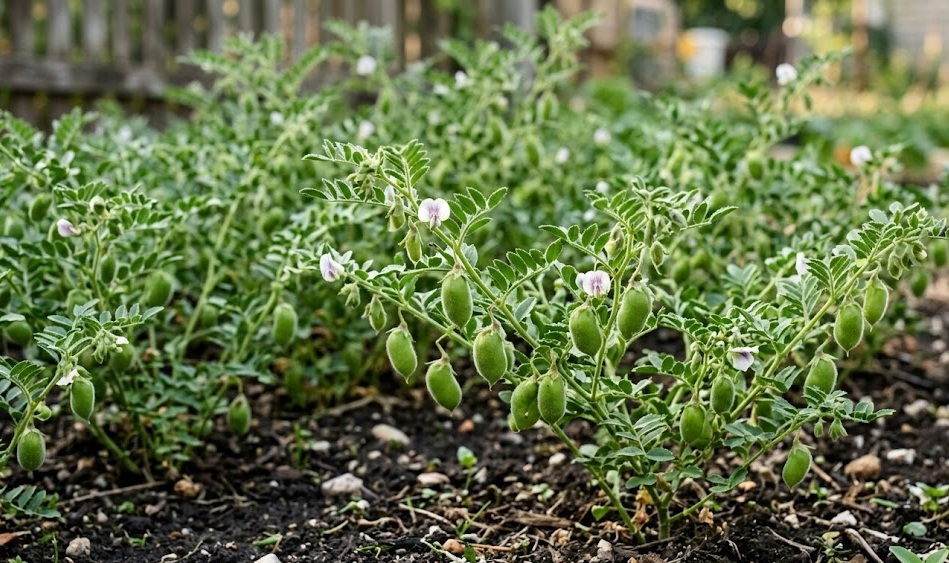

The careful management of water and nutrients is what separates a mediocre chickpea crop from one that truly excels in quality and volume. You must understand that these plants have evolved to handle dry conditions, but they still require strategic inputs to reach their full potential. Over-applying resources can be just as damaging as neglecting them, so a balanced and professional approach is absolutely necessary. By learning to read the subtle signals of the plants, you can provide exactly what they need at every stage of their development.
Irrigation timing and strategies
The most critical time for watering chickpeas is during the flowering and pod-filling stages of their growth cycle. You should monitor the soil moisture levels deeply, ensuring that the roots have access to water when the plant is putting energy into seed production. If the plants experience severe drought during this window, they will likely abort their flowers or produce very small, underdeveloped seeds. Professional irrigation involves providing deep, infrequent watering rather than light, frequent misting which only encourages shallow root growth.
Early in the season, you should be much more conservative with your water application to encourage the plants to grow deep roots. You want the roots to seek out moisture in the lower layers of the soil, which makes the crop more resilient during the heat of the summer. Excessive water in the early stages can also lead to root rot and other fungal issues that thrive in cold, damp conditions. Always check the weather forecast before irrigating, as natural rainfall is usually the best source of hydration for this crop.
During the height of summer, you should irrigate early in the morning or late in the evening to minimize evaporation losses. Applying water directly to the soil surface is much more efficient than using overhead sprinklers which can wet the foliage and increase disease risk. You should aim to keep the moisture levels consistent, avoiding the cycle of extreme drying followed by heavy soaking. This stability prevents the stems from becoming brittle and helps maintain a steady rate of growth throughout the season.
Nutrient requirements and soil health
Chickpeas are unique because they can provide much of their own nitrogen through a symbiotic relationship with bacteria in the soil. You should focus your fertilization efforts on phosphorus, which is essential for strong root development and high-quality seed production. Potassium is also important for the general health of the plant and its ability to withstand environmental stressors like drought and heat. A professional soil test will tell you exactly which minerals are lacking so you can apply them in the correct proportions.
More articles on this topic
Applying a balanced starter fertilizer at the time of planting can give the young seedlings the boost they need to get established. You should place the fertilizer near the seeds but not in direct contact with them to avoid chemical burn on the delicate new roots. As the plants mature and the nitrogen-fixing nodules begin to function, the need for external nitrogen fertilizer will drop significantly. In fact, adding too much nitrogen late in the season can actually suppress the natural fixation process and lead to poor yields.
Micronutrients like sulfur and zinc also play a vital role in the metabolic processes of the chickpea plant. You might notice that even with plenty of primary nutrients, the plants look pale or stunted if these trace elements are missing. Foliar sprays can be an effective way to deliver these minerals quickly if a deficiency is identified during the growing season. However, the best long-term strategy is to build healthy, mineral-rich soil through the regular addition of organic matter and careful management.
Application techniques and timing
The method you use to apply fertilizer can have a significant impact on how effectively the plants can utilize the nutrients. Banding the fertilizer below the seed row is often the most efficient technique for ensuring that the roots can reach the minerals easily. Broadcasting nutrients across the entire surface of the field is less precise and can sometimes encourage the growth of weeds between the rows. Professional growers use specialized equipment to ensure that every plant receives its fair share of the available nutrition.
Timing your fertilizer applications to match the growth stages of the crop is essential for maximizing efficiency and minimizing waste. You should provide the bulk of the phosphorus and potassium early in the season when the structural framework of the plant is being built. If you find that the soil is particularly poor, a secondary application of nutrients can be made just before the flowering stage begins. Always ensure that the soil is sufficiently moist when applying granular fertilizers so that the minerals can dissolve and move into the root zone.
More articles on this topic
Organic fertilizers like compost or well-rotted manure can be excellent long-term sources of nutrition for your chickpea field. You should apply these materials well in advance of planting to allow them time to break down and integrate with the soil biology. Organic matter also improves the water-holding capacity of the soil, which is a major benefit during dry spells. Using a combination of organic and mineral inputs can create a robust and sustainable growing environment for many years to come.
Signs of nutrient deficiency and stress
Learning to identify the visual symptoms of nutritional problems is a key skill for any professional gardener or agricultural manager. A lack of phosphorus often manifests as stunted growth and dark green or purple tints on the older leaves of the plant. If you see yellowing of the leaves, it could be a sign of nitrogen deficiency, but you should check the root nodules first to see if they are active. Zinc deficiency often causes the leaves to become small and distorted, which can significantly reduce the plant’s ability to photosynthesize.
Water stress is usually easy to spot because the plants will begin to wilt and the leaves may take on a grayish or dull appearance. You should not wait until the plants are completely drooping before you decide to apply water to the field. Consistent monitoring of the soil at a depth of ten to fifteen centimeters will give you a much better idea of the actual moisture levels. Early intervention is always better than trying to revive a crop that has already suffered significant physical damage from drought.
Over-fertilization can also cause problems, such as “burning” the leaf edges or causing the plant to become overly succulent and prone to pests. You might notice that the plants are growing very quickly but have weak stems that fall over easily under their own weight. This is often a sign that there is too much nitrogen in the system, which can also delay the ripening process of the seeds. Maintaining a professional balance is the goal, ensuring that the plants have enough but not too much of any one resource.
Sustainable management and resource conservation
Conserving water is not only good for the environment but also improves the long-term viability of your agricultural operations. You can use mulching techniques to cover the soil surface and reduce the amount of water lost to evaporation. Organic mulches like straw or wood chips also break down over time, adding valuable nutrients and organic matter back into the earth. Professional growers are always looking for ways to do more with less, optimizing their inputs for the best possible results.
Integrated nutrient management involves using all available tools to keep the soil healthy and productive without relying solely on chemicals. You should consider the role of crop rotation and green manures in maintaining the fertility of your land over several seasons. By planting chickpeas, you are already contributing to the health of the soil by adding nitrogen for the next crop in the sequence. A holistic view of the farm ecosystem allows you to manage resources in a way that is both profitable and sustainable.
Using modern technology like drip irrigation can drastically reduce the amount of water needed to produce a high-quality chickpea crop. These systems deliver moisture directly to the root zone, minimizing waste and keeping the foliage dry to prevent disease. While the initial setup cost can be high, the long-term savings in water and labor make it a wise investment for professional growers. Embracing innovation is a key part of staying competitive and successful in the world of modern agriculture.