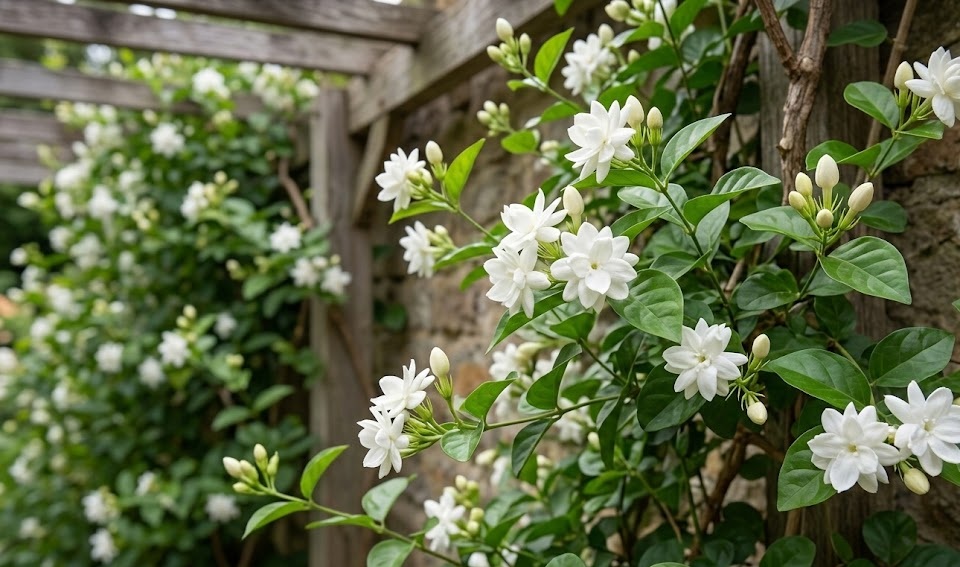

Proper hydration and nutrition are the two pillars of maintaining a healthy and flowering Arabian jasmine plant. You must strike a balance between providing enough moisture and allowing the roots to breathe in the soil. Fertilizing is equally important because this plant is a heavy feeder during its active growing season. Understanding these requirements will help you avoid the most common pitfalls of jasmine cultivation.
Establishing a watering routine
The frequency of watering depends largely on the temperature, light levels, and the size of the container. You should always check the moisture level of the soil with your finger before adding more water. If the top two centimeters of the soil feel dry, it is usually time to give the plant a drink. During the hot summer months, you might find that the plant needs water almost every day.
Overwatering is one of the quickest ways to kill an Arabian jasmine, so you must be careful. You should never let the pot sit in a saucer full of standing water for long periods. This prevents oxygen from reaching the roots and leads to a condition known as root rot. If you notice the soil staying soggy for days, you may need to improve the drainage of your mix.
Watering should ideally be done in the morning to give the foliage time to dry before evening. This reduces the risk of fungal diseases that thrive in cool and damp conditions during the night. You should apply the water directly to the soil rather than splashing it all over the leaves. A long-necked watering can is a great tool for reaching the base of the plant easily.
Understanding water quality and temperature
The type of water you use can have a significant impact on the long-term health of your jasmine. You should avoid using very cold water directly from the tap, as it can shock the tropical roots. Room temperature water is much better and allows the plant to absorb the moisture without any stress. If your tap water is very hard, you might notice white mineral deposits on the leaves.
More articles on this topic
Rainwater is often considered the best choice for watering indoor and outdoor jasmine plants. It is naturally soft and free from the chemicals often found in municipal water supplies. If you must use tap water, let it sit out for twenty-four hours to allow some of the chlorine to dissipate. This simple step can make a noticeable difference in the vibrance of the plant’s foliage.
During the winter, the plant’s water needs will decrease significantly as its metabolism slows down. You should reduce the frequency of watering and always ensure the soil has dried out more than usual. The goal is to keep the roots alive without encouraging new, weak growth during the low-light months. Finding this seasonal balance is a mark of a truly professional gardener.
Fertilization fundamentals and timing
Arabian jasmine requires a steady supply of nutrients to produce its famous and fragrant white flowers. You should begin a regular fertilizing schedule in the early spring as soon as new growth appears. A balanced, water-soluble fertilizer is usually the easiest way to provide the necessary minerals. Applying the fertilizer every two to four weeks during the growing season is generally recommended.
Phosphorus is especially important for plants that are expected to bloom heavily throughout the year. You might want to look for a fertilizer with a slightly higher middle number in the NPK ratio. This will direct the plant’s energy toward flower production rather than just creating more green leaves. Always follow the instructions on the packaging to avoid over-fertilizing and damaging the plant.
More articles on this topic
You should always apply fertilizer to moist soil to prevent the concentrated salts from burning the roots. If the plant is very dry, water it lightly first and then apply the nutrient solution a bit later. This ensures that the roots are hydrated and ready to absorb the food you are providing. Consistency is much more effective than giving the plant large, infrequent doses of fertilizer.
Micro and macronutrients for jasmine
Beyond the basic nitrogen, phosphorus, and potassium, your jasmine also needs several trace elements to stay healthy. Iron and magnesium are particularly important for maintaining the deep green color of the leaves. If you notice the new leaves turning yellow while the veins stay green, it might be an iron deficiency. Using a fertilizer that includes chelated iron can quickly solve this common nutritional problem.
Organic fertilizers, such as compost tea or fish emulsion, can provide a more complex range of nutrients. These options also help improve the biological health of the soil over a long period of time. Many growers like to alternate between synthetic and organic options to get the benefits of both worlds. A healthy soil ecosystem makes it much easier for the jasmine to thrive without constant intervention.
Calcium is another element that helps build strong cell walls and supports the overall structure of the plant. You can occasionally add crushed eggshells or a bit of lime to the soil if you suspect a deficiency. However, be careful not to raise the pH too much, as jasmine still prefers slightly acidic conditions. Monitoring the overall appearance of the plant will tell you if your nutrient balance is correct.
Troubleshooting hydration and nutrition issues
Wilted leaves can be a sign of both underwatering and overwatering, which can be very confusing for beginners. You should always check the weight of the pot or the feel of the soil to determine the cause. If the soil is dry and the pot is light, the plant simply needs a thorough soaking immediately. If the soil is wet, the roots may already be damaged and unable to take up water.
Brown tips on the leaves are often a sign of salt buildup from too much fertilizer or hard water. You should flush the soil with plenty of clear water every few months to wash away these excess salts. This “leaching” process helps keep the root environment clean and prevents chemical burns on the foliage. It is a simple maintenance task that pays off in the form of healthier leaf margins.
If your plant is growing very slowly and has pale leaves, it likely needs a stronger feeding routine. You should check if the pot has become root-bound, which can limit the amount of nutrients the plant can access. Sometimes, the solution is as simple as moving the plant to a larger container with fresh, nutrient-rich soil. A well-fed jasmine is much more resistant to pests and environmental stresses.