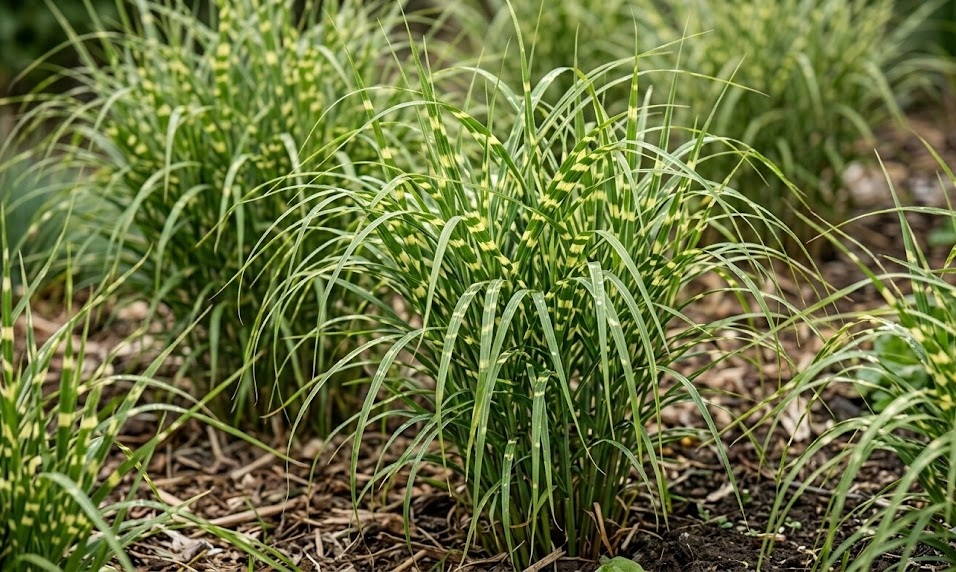

Managing the water and nutrient levels is essential for keeping zebra grass looking its absolute best throughout the year. While this species is known for its hardiness, it reaches its full aesthetic potential with a regular care routine. Proper hydration ensures that the leaves remain turgid and the yellow stripes stay vivid and bright. Understanding the balance between feeding and watering will prevent common issues like weak stems or root rot.
Zebra grass generally prefers a moderate amount of moisture, especially during the peak of the summer heat. In its natural habitat, it often grows in areas where the soil does not dry out completely for long periods. In a garden setting, you should aim to keep the soil consistently moist but never truly saturated. A deep watering once or twice a week is usually much better than daily light sprinkles.
The method of watering can also influence the health of the foliage and the overall appearance of the plant. It is best to apply water directly to the base of the grass rather than using overhead sprinklers. Wetting the leaves frequently can sometimes encourage fungal growth, especially in humid weather conditions. Direct soil irrigation ensures that the water reaches the root zone where it is needed most.
During the cooler months of spring and autumn, the plant’s demand for water naturally decreases. You should adjust your watering schedule based on the amount of rainfall your garden receives during these times. Overwatering in the early spring can lead to cold, soggy soil which may rot the dormant roots. Always feel the soil a few centimeters below the surface before deciding to turn on the hose.
Summer irrigation strategies
When the temperatures soar in July and August, the evaporation rate from the large leaf surface is very high. This is the time when zebra grass is most likely to show signs of drought stress if left unattended. You might notice the leaf tips turning brown or the leaves starting to curl inward to conserve moisture. These are clear signals that the plant requires a more frequent and deeper watering routine.
More articles on this topic
Early morning is the absolute best time to water your ornamental grasses during the summer season. This allows the plant to hydrate fully before the intense sun begins to beat down on the garden. Watering in the evening is also an option, but it leaves the soil wet overnight, which can sometimes attract pests. Morning irrigation works in harmony with the plant’s natural daily cycle of photosynthesis and transpiration.
If you have several large specimens, a drip irrigation system can be an incredibly efficient way to manage their needs. Drip lines deliver a slow and steady supply of water directly to the root system with minimal waste. This method is particularly useful if you live in an area with water restrictions or very sandy soil. It ensures that the grass gets the hydration it needs without creating excessive runoff.
The type of soil in your garden will dictate how often you need to provide supplemental water in the summer. Sandy soils drain very quickly and will require more frequent attention than heavy clay soils. Adding organic matter to sandy soil can improve its water-holding capacity significantly over time. Conversely, if you have clay soil, you must be careful not to let the water pool around the plant’s crown.
Nutrition and fertilization basics
Feeding your zebra grass is important, but it is very easy to overdo it if you are not careful. This plant is naturally efficient at pulling nutrients from the soil, so heavy fertilization is rarely necessary. In most cases, a single application of fertilizer in the early spring is all the plant needs for the year. This boost helps the grass kickstart its growth after the long winter dormancy period.
More articles on this topic
A balanced, slow-release granular fertilizer is usually the best choice for ornamental grasses in a residential garden. Look for a product that has an equal ratio of nitrogen, phosphorus, and potassium to support overall health. Apply the granules around the base of the plant, making sure they do not touch the emerging green shoots. Watering the area immediately after application helps to move the nutrients down into the root zone.
Organic alternatives like well-rotted compost or leaf mold are excellent for improving soil fertility naturally. You can apply a thick layer of compost around the base of the plant every spring as a top-dressing. This not only provides nutrients but also improves the structure of the soil and encourages beneficial microbial activity. Many professional gardeners prefer this “soil-first” approach to chemical fertilizers for long-term plant health.
You should avoid applying any fertilizer late in the growing season, especially as autumn approaches. Late feeding can stimulate new, tender growth that will not have enough time to harden off before the frost. This soft growth is very susceptible to winter damage and can weaken the overall structure of the plant. Stop all fertilization by mid-summer to allow the grass to prepare for its natural dormancy.
Signs of nutrient imbalance
It is important to recognize when your zebra grass is getting too much or too little nutrition. If the plant is growing extremely fast but the stems are floppy and cannot support themselves, you might be over-fertilizing with nitrogen. Too much nitrogen causes rapid cell elongation, which results in weak, spindly growth that lacks structural integrity. In this case, it is best to skip the next scheduled feeding and let the plant stabilize.
On the other hand, if the yellow bands are very pale and the overall growth is stunted, the plant might be hungry. While zebra grass is slow to show nutrient deficiencies, a lack of essential minerals will eventually dull its appearance. A light application of a balanced fertilizer should help to restore the vibrancy of the foliage within a few weeks. Always follow the manufacturer’s instructions on the packaging to avoid accidental burning.
Iron deficiency can sometimes occur in very alkaline soils, leading to a condition known as chlorosis. This shows up as yellowing between the veins of the leaves while the veins themselves stay green. If you suspect an iron issue, you can apply a chelated iron supplement to the soil around the base. However, this is relatively rare for Miscanthus species, which are generally quite adaptable to different pH levels.
The health of the root system is directly tied to the availability of phosphorus and potassium in the soil. These nutrients help the plant build strong cell walls and a robust network of roots that can withstand environmental stress. If you live in an area with very poor soil, a soil test can provide a detailed breakdown of what is missing. This scientific approach takes the guesswork out of your fertilization routine.
Long-term soil health management
Maintaining healthy soil is a marathon, not a sprint, especially when it comes to long-lived perennials like zebra grass. Over time, the constant growth of the plant will naturally deplete the nutrients in the immediate vicinity of its roots. By regularly adding organic matter, you replenish these resources and keep the soil “alive” and productive. Healthy soil also drains better and holds moisture more effectively than depleted earth.
Avoid the use of harsh chemicals or excessive salts near your ornamental grasses, as these can damage the delicate root hairs. Runoff from de-icing salts used on paths or driveways in winter can be particularly harmful to the dormant crown. If you think salt has contaminated the soil, flush the area thoroughly with fresh water in the early spring. Protecting the soil environment is just as important as protecting the plant itself.
Crop rotation isn’t really an option for permanent garden fixtures, so you must bring the nutrients to the plant. If you notice the soil surface becoming hard and compacted, gently loosen the top layer with a hand fork. This allows water and oxygen to penetrate more easily to the roots where they are needed. Be careful not to dig too deep, as you don’t want to damage the main root mass of the grass.
Finally, remember that every garden has its own unique personality and set of challenges. Some years might be much drier than others, requiring you to be more proactive with your watering can. Other years might see a lot of natural rainfall, allowing you to take a more hands-off approach. By staying observant and flexible, you will find the perfect watering and feeding rhythm for your zebra grass.