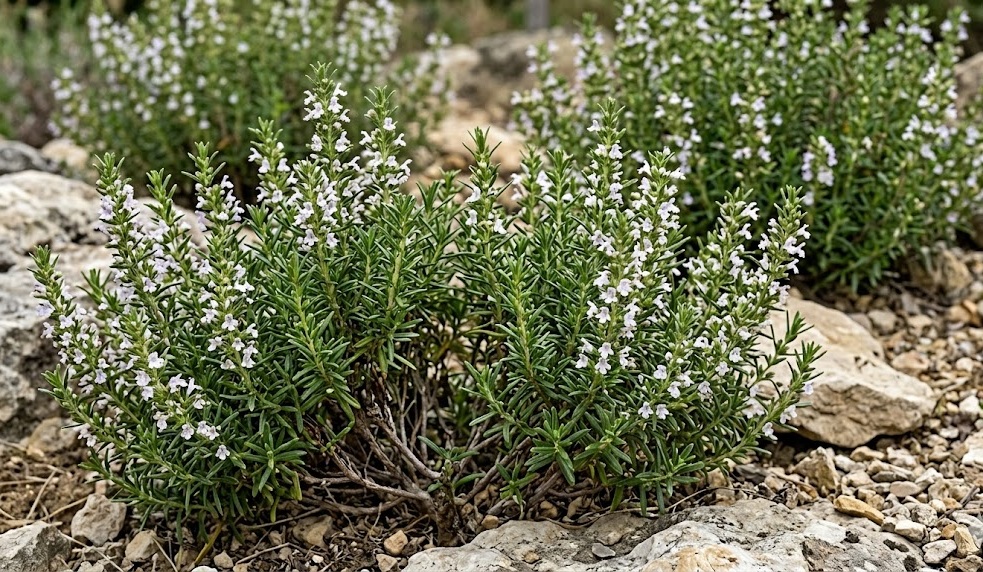

Mastering the hydration and nutritional needs of winter savory is essential for producing the highest quality essential oils and vibrant foliage. This herb is naturally adapted to the dry, stony soils of southern Europe, which means it has developed a specialized physiology for handling periods of drought. However, in a garden setting, a more controlled approach to watering can significantly improve the health and longevity of the plant. Similarly, understanding when and how to fertilize is crucial for maintaining the balance between growth speed and flavor intensity.
The goal of a professional watering routine is to mimic the natural cycle of deep saturation followed by a period of drying. You should always check the soil moisture levels before reaching for the hose, as overwatering is the most common cause of failure with this herb. Sticking your finger an inch or two into the soil will tell you if the root zone is truly dry or if there is still adequate moisture below the surface. If the soil feels damp, it is best to wait another day or two before adding more water.
When you do water, it is important to apply the moisture directly to the soil at the base of the plant rather than spraying the foliage. Wet leaves, especially in the evening, can create the perfect conditions for fungal spores to germinate and spread. Using a soaker hose or a drip irrigation system is a professional way to deliver water efficiently and keep the canopy dry. This targeted approach also helps conserve water by reducing evaporation and ensuring that every drop reaches the root system.
The age of the plant and the time of year will dictate how often you need to intervene with additional moisture. Younger plants that are still establishing their root systems will require more frequent watering than older, established shrubs. During the peak of summer heat, even a drought-tolerant plant like savory may need a little extra help to prevent its leaves from scorching. Conversely, in the winter, the plant’s metabolism slows down significantly, and you should reduce your watering to the bare minimum.
Water requirements for young plants
The first few months after planting are a critical window where consistent moisture is needed to encourage deep root penetration. You should water your new savory transplants every few days, depending on your local soil type and weather conditions. The soil around the young roots should stay slightly moist, but never soggy or waterlogged. If the plant shows signs of wilting in the afternoon, it may be an indication that its small root system cannot keep up with the rate of transpiration.
More articles on this topic
As the plant grows and starts to develop its woody base, you can gradually increase the interval between your watering sessions. This process encourages the roots to grow deeper into the earth in search of moisture, making the plant more resilient in the long run. You will notice that the plant begins to look more robust and less dependent on your daily intervention. This transition from a needy seedling to a self-sufficient shrub is a rewarding phase for any gardener to observe.
Proper drainage is particularly important for young savory plants, as their roots are more susceptible to rot than those of mature specimens. If you are growing them in pots, make sure the water flows freely through the drainage holes every time you irrigate. Never leave a pot sitting in a saucer of water, as the stagnant moisture will quickly suffocate the roots. For garden plants, ensure that the soil surface is not concave, which could cause water to pool around the main stem during rain events.
Monitoring the weather forecast can help you adjust your watering schedule to match the natural conditions. If heavy rain is expected, you can skip your scheduled watering and let nature take care of the plants. On the other hand, if a prolonged dry spell is coming, a deep soaking just before the heat arrives can give the plants a much-needed reservoir of moisture. By being proactive and responsive to the environment, you provide the best possible start for your winter savory collection.
Drought tolerance in established shrubs
Once a winter savory plant has been in the ground for a year or two, it becomes remarkably adept at handling dry conditions. The small, needle-like leaves are a natural adaptation that reduces the surface area for water loss through evaporation. You will find that these established plants rarely need supplemental water except during periods of extreme and prolonged drought. This makes savory an ideal candidate for water-wise gardening or xeriscaping projects where conservation is a priority.
More articles on this topic
In fact, allowing the soil to dry out significantly between waterings can actually improve the quality of the herb. The stress caused by mild drought often triggers the plant to produce more essential oils, resulting in a more intense and complex flavor. You should aim for a balance where the plant is healthy enough to grow but not so pampered that it becomes soft and flavorless. This “tough love” approach is the secret to growing professional-grade herbs with the best culinary properties.
During the hottest months of July and August, you may notice the plant’s growth slowing down as it enters a semi-dormant state to conserve energy. This is a normal part of its lifecycle, and you should resist the urge to overcompensate with excessive water or fertilizer. A light watering once a week is usually more than enough to keep the plant alive and healthy until cooler temperatures return. If the plant is truly suffering, the leaves will turn a dull grey-green or start to drop, which is your cue to provide a gentle drink.
The type of soil you have will also influence how your established savory handles dry spells. Sandy soils will dry out much faster than loam or clay-based soils, requiring more frequent observation. If you have sandy soil, you might consider adding more organic matter or a thicker mulch layer to help hold onto the moisture that is available. Understanding the unique characteristics of your garden’s microclimate allows you to tailor your care to the specific needs of your plants.
Nutrient requirements and organic matter
Winter savory is not a heavy feeder and can actually suffer if it is given too much nitrogen or concentrated chemical fertilizers. In its native habitat, it grows in poor, rocky soils where nutrient levels are relatively low compared to a standard vegetable garden. You should avoid using high-strength synthetic fertilizers, as these can cause rapid, weak growth that is more susceptible to pests and diseases. A more professional approach is to focus on building a healthy soil ecosystem that provides nutrients slowly over time.
Incorporating a small amount of well-rotted compost or leaf mold into the soil each spring is usually all the fertilization that savory needs. This organic matter provides a wide range of micronutrients and improves the overall structure of the soil. It also supports the beneficial soil bacteria and fungi that help the plant’s roots absorb water and minerals more efficiently. By feeding the soil rather than just the plant, you create a sustainable and healthy environment for long-term growth.
If you feel your plants need an extra boost during the growing season, a weak liquid seaweed or fish emulsion can be used once or twice. These organic fertilizers are gentle and provide a balanced array of nutrients without the risk of salt buildup in the soil. Always apply liquid fertilizers to damp soil to prevent any potential root burn and ensure that the nutrients are absorbed quickly. This supplemental feeding can be particularly helpful for plants grown in containers where the nutrient reservoir is limited.
The appearance of the plant is your best guide to whether it needs additional nutrients or not. If the leaves are a deep, healthy green and the plant is producing plenty of new stems, it likely has everything it needs. However, if the foliage looks pale or the growth is exceptionally slow during the spring, a light application of organic fertilizer may be beneficial. Remember that with winter savory, less is almost always more when it comes to feeding, so always start with the lowest possible dose.
Timing of fertilization and seasonal cycles
The timing of your nutrient applications should align with the natural growth cycles of the winter savory shrub. The most important time to provide a light feeding is in early spring as the plant begins to wake up from its winter dormancy. This provides the energy needed for the first flush of new growth and sets the stage for a productive season. You should avoid fertilizing in late summer or autumn, as this can stimulate new growth that won’t have time to harden off before the first frost.
During the flowering phase in mid-to-late summer, the plant shifts its energy from foliage production to seed development. Fertilizing during this time is generally unnecessary and could potentially interfere with the concentration of essential oils. Instead, focus on maintaining consistent moisture levels and keeping the area free of weeds that might compete for the available nutrients. Once the flowering is over, the plant will naturally begin to prepare itself for the cooler months ahead.
In regions with very long growing seasons, a second very light application of compost in early summer can help sustain the plant through the heat. However, this should only be done if the plant shows signs of nutrient deficiency or if you are harvesting very heavily. For the average home gardener, a single spring application is more than enough to keep a savory plant happy and healthy for the entire year. Professional herb growers often prioritize soil quality over frequent fertilization to ensure the best possible aromatic qualities.
Always remember that temperature and light levels affect how quickly a plant can use the nutrients you provide. In cloudy or cool weather, the plant’s metabolism slows down, and it will require less food than it does during bright, sunny days. By paying attention to the changing seasons and the pace of your garden, you can time your interventions for maximum effect. A well-timed application of organic matter is far more effective than a random schedule of chemical feeding.
Risks of overwatering and over fertilization
One of the biggest mistakes a gardener can make with winter savory is being too generous with both water and fertilizer. Overwatering leads to anaerobic conditions in the soil, which kills off the beneficial microbes and encourages the growth of root rot pathogens. You will often see the lower leaves turning yellow and falling off as an early warning sign of saturated soil. If the base of the stems feels soft or mushy, the damage may already be too severe to save the plant.
Excessive fertilization, particularly with high-nitrogen products, can lead to a host of problems for woody herbs. While the plant may look lush and green initially, the stems will often be weak and prone to breaking in the wind. These soft, nitrogen-rich tissues are also a primary target for aphids, spider mites, and other sap-sucking insects. Furthermore, the intense flavor that makes winter savory so desirable will be significantly diluted in a plant that is forced to grow too quickly.
To avoid these risks, always err on the side of caution and let the plant tell you when it needs assistance. It is much easier to revive a slightly dry plant with a quick watering than it is to save a rotting plant from waterlogged soil. Similarly, it is better to have a slightly slower-growing plant that is sturdy and flavorful than a massive shrub that lacks character and resilience. Maintaining a professional restraint in your care routine will lead to a more successful and sustainable herb garden.
If you suspect that you have over-fertilized, you can try to flush the soil with plenty of clean water to wash away the excess salts. However, this should only be done if you have excellent drainage, or you risk creating a waterlogging problem instead. For overwatered plants, the best course of action is to stop watering immediately and let the soil dry out as quickly as possible. In some cases, you may need to repot container plants into fresh, dry soil to give the roots a chance to recover.