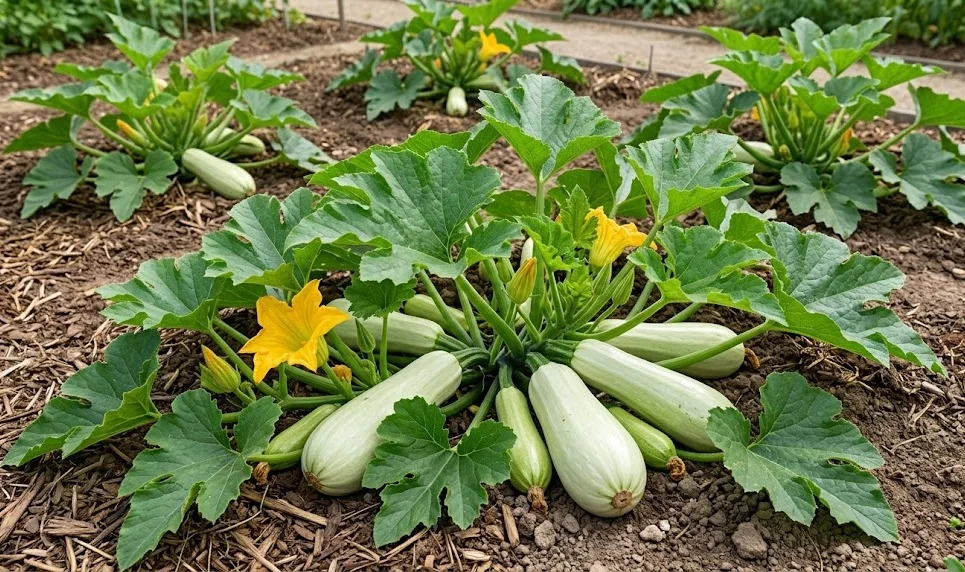

Achieving a high yield of tender and flavorful vegetable marrows depends heavily on how you manage the critical resources of water and nutrients throughout the season. These plants are essentially composed mostly of water, meaning their growth rate and fruit quality are directly linked to a consistent and adequate supply of moisture. Furthermore, as heavy feeders, they require a strategic approach to fertilization that supports both their expansive vine growth and their intensive fruit production. This article delves into the professional techniques required to balance these two essential pillars of marrow cultivation.
Irrigation principles for maximum growth
The primary goal of your watering strategy should be to maintain consistent soil moisture levels without creating waterlogged conditions that can lead to root rot. You should aim to deliver water directly to the root zone, where it is most needed, rather than spraying the entire plant from above. This targeted approach not only conserves water but also helps keep the foliage dry, which is a key factor in preventing the development of fungal diseases. Deep watering sessions that penetrate at least 15 to 20 centimeters into the soil are far more effective than frequent, shallow sprinklings.
Early morning is the ideal time to water your vegetable marrows as it allows any accidental moisture on the leaves to evaporate quickly as the sun rises. You should monitor the soil moisture by feeling a few centimeters below the surface; if it feels dry to the touch, it is time to irrigate. During periods of extreme heat or drought, you may need to increase the frequency of your watering to prevent the plants from wilting and dropping their flowers. Consistency is the most important factor, as fluctuating moisture levels can lead to issues like fruit cracking or bitter flavors.
Drip irrigation systems or soaker hoses are excellent investments for anyone serious about growing vegetable marrows efficiently. These systems provide a slow, steady trickle of water that soaks deep into the ground without disturbing the soil structure or splashing soil onto the leaves. You can even set these systems on a timer to ensure your plants receive the exact amount of water they need at the optimal times each day. Automating your irrigation process allows you to maintain a professional standard of care even when you are busy with other tasks.
More articles on this topic
As the fruit begins to develop and grow larger, the plant’s demand for water will reach its peak for the entire season. You should be particularly vigilant during this stage, as even a short period of water stress can result in stunted fruit or a decrease in overall yield. However, as the end of the season approaches and you are preparing to harvest for storage, you can gradually reduce the watering frequency. This slight reduction helps the skin of the marrow toughen up, which improves its long-term storage potential after it is picked.
Moisture retention and soil management
Implementing effective moisture retention techniques is a professional way to reduce your overall water usage while keeping your plants healthy and happy. You should apply a generous layer of organic mulch, such as straw, shredded leaves, or grass clippings, around the base of each marrow plant. This protective layer acts as an insulator, keeping the soil cool during hot days and significantly reducing the amount of water lost to evaporation. Mulching also has the added benefit of keeping the developing fruit off the bare ground, which reduces the risk of rot and keeps them cleaner.
The organic matter in your soil plays a vital role in its ability to hold onto moisture and make it available to the plant roots. You should work plenty of compost or well-rotted manure into your planting beds each year to improve the soil’s water-holding capacity. Soils that are rich in humus act like a sponge, absorbing water during rain or irrigation and releasing it slowly over several days. This natural buffering effect can protect your vegetable marrows from the immediate impact of short-term dry spells.
More articles on this topic
Avoid overhead watering whenever possible, especially during the late afternoon or evening hours when the foliage won’t have time to dry before nightfall. Wet leaves in a cool, dark environment provide the perfect breeding ground for powdery mildew and other destructive pathogens that can quickly defoliate your plants. If you must use a sprinkler, try to do it as early as possible on a bright, breezy day to encourage rapid drying. Managing the microclimate around your plants is just as important as the actual amount of water you provide.
In heavy clay soils, you must be careful not to over-irrigate, as these soils can easily become saturated and exclude necessary oxygen from the root zone. You might consider growing your marrows in raised beds if you have issues with poor drainage or heavy soil in your garden. Raised beds allow you to control the soil composition more precisely and ensure that excess water can drain away freely from the plant roots. Tailoring your watering and soil management to your specific site conditions is a hallmark of an expert gardener.
Nutrient requirements and timing
Vegetable marrows have a high demand for a balanced range of nutrients, with nitrogen, phosphorus, and potassium being the most important for different stages of growth. In the early weeks after planting, the focus should be on nitrogen to encourage the development of strong vines and healthy, dark green leaves. You should be careful not to provide too much nitrogen once the plant begins to flower, as this can lead to an abundance of leaves but very few fruits. Transitioning to a fertilizer with higher phosphorus and potassium levels will support better flower development and fruit quality.
A “starter” dose of fertilizer at the time of planting provides the initial boost that seedlings need to establish themselves in their new environment. You can mix a balanced organic fertilizer into the planting hole or apply it as a side-dressing a few centimeters away from the stem. As the plants grow and begin to send out long runners, you should continue to provide supplemental feedings every three to four weeks. This consistent supply of nutrients ensures that the plant has the energy it needs to sustain its rapid growth and heavy fruit load.
Liquid fertilizers, such as compost tea or seaweed extract, are excellent for providing a quick nutrient boost that the plants can absorb almost immediately. You can apply these liquids directly to the soil or as a foliar spray, though soil application is generally more effective for the primary nutrient needs. Foliar feeding can be particularly useful if the plant is showing signs of a specific micronutrient deficiency, such as yellowing between the leaf veins. Using a variety of nutrient sources can help ensure that your vegetable marrows have access to a full spectrum of essential minerals.
Always follow the application rates recommended on the fertilizer packaging to avoid the risk of “burning” the delicate roots with excessive salts. You should water the plants thoroughly both before and after applying granular fertilizers to help dissolve the nutrients and carry them down into the root zone. Pay attention to the color and vigor of the leaves as a primary indicator of the plant’s nutritional status. A deep green color usually indicates a well-nourished plant, while pale or yellowish leaves may suggest a need for more nitrogen or other minerals.
Organic fertilization strategies
Using organic fertilization methods is not only better for the environment but also leads to a more sustainable and resilient garden ecosystem. You should make compost a central part of your fertilization plan, as it provides a slow-release source of nutrients that improves the soil over time. Well-rotted animal manures, such as those from cows or horses, are also excellent choices for heavy feeders like vegetable marrows. These organic materials add valuable structure to the soil while providing the complex nutrients that synthetic fertilizers often lack.
Green manures or cover crops can be grown during the off-season and then tilled back into the soil to provide a natural source of nitrogen and organic bulk. You might plant clover or vetch in the autumn to capture nitrogen from the air and store it in the soil for the following year’s marrow crop. This cycle of returning organic matter to the earth is a fundamental principle of professional organic gardening. It helps build a “living soil” that is full of beneficial fungi and bacteria that assist in plant health.
Bone meal and wood ash are two traditional organic amendments that can provide specific boosts of phosphorus and potassium when needed. You should apply bone meal in the early stages of flower development to encourage strong blooms and successful fruit set. Wood ash can be used sparingly to provide potassium and slightly raise the soil pH if your garden is too acidic. These natural amendments should be used with care and based on the specific needs of your plants and soil tests.
The beauty of organic fertilization lies in its ability to feed the soil rather than just the plant, creating a long-term reservoir of fertility. You will find that organically grown marrows often have a more robust flavor and better storage qualities than those grown with heavy synthetic inputs. By observing the natural cycles in your garden, you can develop a fertilization routine that works in harmony with the environment. This holistic approach is the most rewarding way to grow high-quality vegetable marrows for your table or the market.
Application techniques and monitoring
The method you use to apply fertilizer can be just as important as the type of nutrients you choose for your vegetable marrows. You should avoid placing concentrated fertilizer directly against the stem of the plant, as this can cause physical damage or “burning” to the sensitive tissues. Instead, apply the fertilizer in a wide circle around the base of the plant, roughly following the “drip line” where the outermost leaves end. This encourages the roots to grow outward and explore a larger volume of soil for moisture and nutrients.
Incorporating granular fertilizers into the top few centimeters of soil helps prevent them from washing away during heavy rains and brings them closer to the root system. You can use a small hand rake or hoe to gently work the material into the earth, being careful not to disturb the shallow roots of the marrow. After application, a thorough watering is essential to activate the fertilizer and begin the process of nutrient release. This simple step ensures that your investment in fertilization is not wasted and reaches the plant effectively.
Regularly monitoring the growth rate of your marrows provides immediate feedback on whether your watering and fertilization routines are working as intended. You should look for steady, daily progress in both the length of the vines and the size of the developing fruits. If growth seems to stall or the plant looks lackluster, it may be time to reassess your nutrient application or check for underlying soil issues. Being proactive and observant allows you to make small adjustments before they turn into major problems for your crop.
Maintaining a clear record of when and what you applied to your garden will help you refine your techniques over several growing seasons. You might find that certain varieties respond better to specific types of organic matter or that your watering needs vary significantly based on the year’s weather. This professional approach to record-keeping turns every gardening season into a valuable learning experience. By combining careful observation with consistent care, you can master the art of watering and fertilizing vegetable marrows for maximum success.