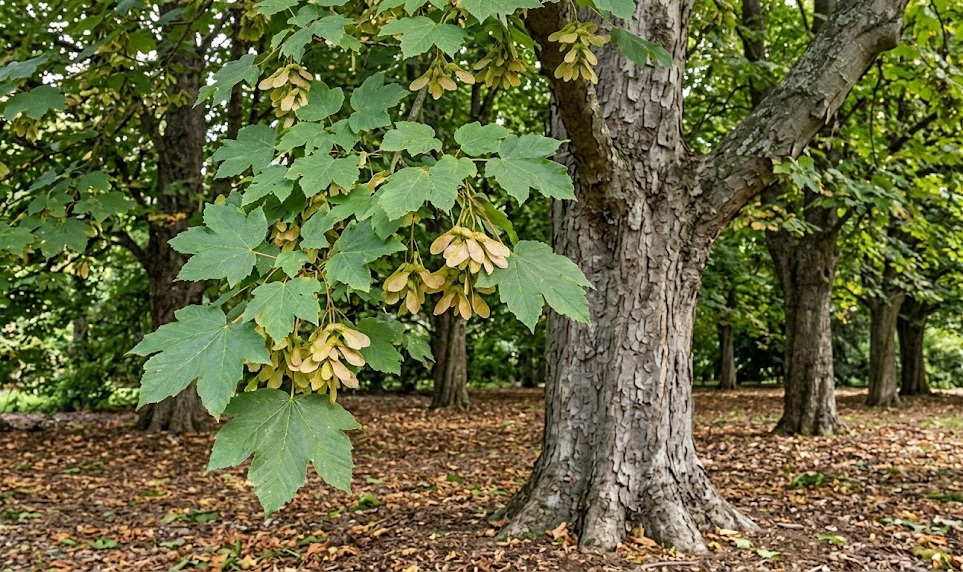

Effective hydration and nutrition are the twin pillars of maintaining a vigorous sycamore maple throughout its long life. While these trees are inherently resilient, their performance and aesthetic appeal are greatly enhanced by a consistent management plan. Understanding the specific timing and methods for delivering water and nutrients allows you to support the tree’s natural cycles without causing stress. A professional approach to these tasks ensures that your maple remains a healthy and dominant feature in the landscape.
Watering a sycamore maple requires a strategy that mirrors the natural rainfall patterns of its native temperate forests. During the active growing season, the tree’s demand for water increases significantly as it produces a massive volume of foliage. It is important to monitor the soil moisture levels, especially during prolonged periods of drought or intense heat. You should aim to keep the soil consistently moist but never saturated, as poor aeration can lead to root health issues.
Newly planted sycamore maples have a much higher dependency on supplemental watering than established specimens. Their limited root systems cannot yet tap into deeper groundwater reserves, making them vulnerable to rapid dehydration. For the first few years, you should provide a deep soaking at least once a week, increasing the frequency during the peak of summer. Using a soaker hose or a slow-release watering bag can ensure the water penetrates deep into the root zone where it is most needed.
Established trees, on the other hand, develop extensive root networks that allow them to withstand moderate dry spells. However, providing supplemental water during extreme drought can prevent premature leaf drop and maintain the tree’s overall vigor. You should focus your watering efforts on the area beneath the outer canopy, known as the drip line, where the most active feeder roots are located. This targeted approach maximizes efficiency and minimizes water waste in your garden management.
Understanding nutrient requirements
The sycamore maple is a relatively heavy feeder, especially during its rapid growth phase in late spring and early summer. It requires a balanced intake of macro and micronutrients to support its wood strength and leaf production. Nitrogen is particularly important for the development of the lush green foliage that defines the species. However, an over-abundance of nitrogen can lead to weak, succulent growth that is more susceptible to pests and diseases.
More articles on this topic
Phosphorus and potassium are also essential for the overall health and structural integrity of the tree. Phosphorus supports strong root development, which is critical for anchoring such a large species firmly in the ground. Potassium helps regulate the tree’s internal water balance and improves its resistance to environmental stresses like frost and heat. A high-quality, slow-release fertilizer designed for deciduous trees is often the best choice for providing these elements over an extended period.
In addition to the primary nutrients, the sycamore maple may occasionally require supplemental micronutrients such as iron or magnesium. Deficiencies in these elements often manifest as chlorosis, where the leaves turn yellow while the veins remain green. Soil testing is the most reliable way to identify these hidden needs before they impact the tree’s appearance. By understanding the chemistry of your soil, you can tailor your fertilization program to the specific requirements of your individual tree.
The timing of fertilization is just as important as the choice of product itself. The best time to apply nutrients is in the early spring, just as the buds are beginning to swell and new growth is imminent. This ensures that the tree has a ready supply of energy to fuel its most active period of development. Avoid fertilizing late in the summer, as this can stimulate new growth that may not have time to harden off before the first autumn frosts arrive.
Application methods for optimal uptake
How you apply fertilizer can significantly influence how effectively the tree can utilize the nutrients provided. For most home gardeners, a surface application of granular fertilizer spread evenly over the root zone is the most practical method. It is important to water the area thoroughly after application to help the nutrients dissolve and move down into the soil. Be careful to keep the fertilizer away from the direct contact with the trunk to prevent chemical burns to the bark.
More articles on this topic
For larger trees or those in compacted soils, deep-root feeding is a highly effective professional technique. This involves using specialized equipment to inject a liquid fertilizer solution directly into the soil at several points around the drip line. This method bypasses the surface vegetation and delivers the nutrients exactly where the tree’s feeder roots are most concentrated. It also helps to slightly aerate the soil, which can improve water penetration and oxygen exchange for the roots.
Organic fertilizers, such as well-rotted compost or manure, offer a more holistic approach to tree nutrition. These materials not only provide essential elements but also improve the soil structure and support beneficial microbial life. Spreading a layer of compost over the root zone each spring is a wonderful way to mimic the natural nutrient cycling of a forest. Over time, this builds a more resilient and self-sustaining soil environment that benefits the entire garden ecosystem.
Foliar feeding is a less common but sometimes useful method for delivering quick-acting micronutrients. This involves spraying a diluted nutrient solution directly onto the leaves, where it can be absorbed through the stomata. While this is not a substitute for a comprehensive soil-based fertilization plan, it can provide a temporary boost during periods of stress. It is best to perform foliar feeding in the early morning or late evening to avoid leaf scorch from the sun.
Monitoring and adjusting the plan
A professional gardener always observes the tree’s response to watering and fertilization to make necessary adjustments. If the tree is putting on excessive growth with very long distances between leaf nodes, you may need to reduce the amount of nitrogen. Conversely, small, sparse leaves and slow growth may indicate that the tree is hungry and requires more frequent nutritional support. Every sycamore maple is different, and its needs will change as it matures and the environment evolves.
Weather conditions should also dictate your day-to-day management of water and nutrients. During a particularly rainy spring, you might delay fertilization to prevent the nutrients from being washed away before they can be absorbed. In a very dry year, you must prioritize watering over fertilization, as the tree cannot take up nutrients if the soil is too dry. Being in tune with the rhythm of the seasons is the hallmark of an expert tree caretaker.
It is also important to consider the competition from other plants, such as lawns or aggressive ground covers, which can rob the tree of resources. Maintaining a mulch-covered area around the base of the tree reduces this competition and makes your watering and fertilization more effective. This clear zone also prevents accidental damage from gardening equipment, which can compromise the tree’s ability to transport water and nutrients. A well-managed root zone is the foundation of a healthy canopy.
Finally, keep a simple log of when you water and what fertilizers you use throughout the year. This historical data is incredibly valuable for identifying patterns and troubleshooting any issues that may arise in the future. It allows you to see how the tree responds to different treatments over several growing seasons. Your commitment to a systematic approach ensures that your sycamore maple will continue to thrive as a magnificent specimen for many years.
Long-term soil health and sustainability
Sustainable tree care focuses on building long-term soil health rather than just providing quick fixes. By encouraging a diverse population of soil organisms, you create a natural system that recycles nutrients and protects the roots from pathogens. Avoiding the excessive use of synthetic chemicals helps maintain this delicate balance in your garden’s underground world. A healthy soil ecosystem is much more efficient at supporting a large tree like the sycamore maple.
Mulching is one of the most effective tools for long-term soil management in any professional landscape. As organic mulch breaks down, it constantly adds small amounts of nutrients and organic matter back into the soil profile. It also acts as a thermal blanket, keeping the roots cooler in the summer and warmer in the winter. Choosing high-quality mulch that is free from weed seeds and contaminants is an investment in the tree’s future.
Periodic soil testing should remain a part of your long-term maintenance strategy every few years. This allows you to monitor changes in pH and nutrient levels that might occur as the tree grows and the environment changes. It is much easier to make small corrections over time than to try to fix a major nutritional crisis once it has become visible. Professional soil analysis provides the data you need to make informed decisions for your tree’s health.
Ultimately, the goal of watering and fertilization is to empower the sycamore maple to reach its natural potential. When a tree is well-nourished and hydrated, it is much better equipped to handle pests, diseases, and environmental fluctuations. You are not just feeding a plant; you are supporting a massive living organism that contributes to the beauty and health of your surroundings. Your expert care creates a legacy of strength and vitality that will be admired by many.