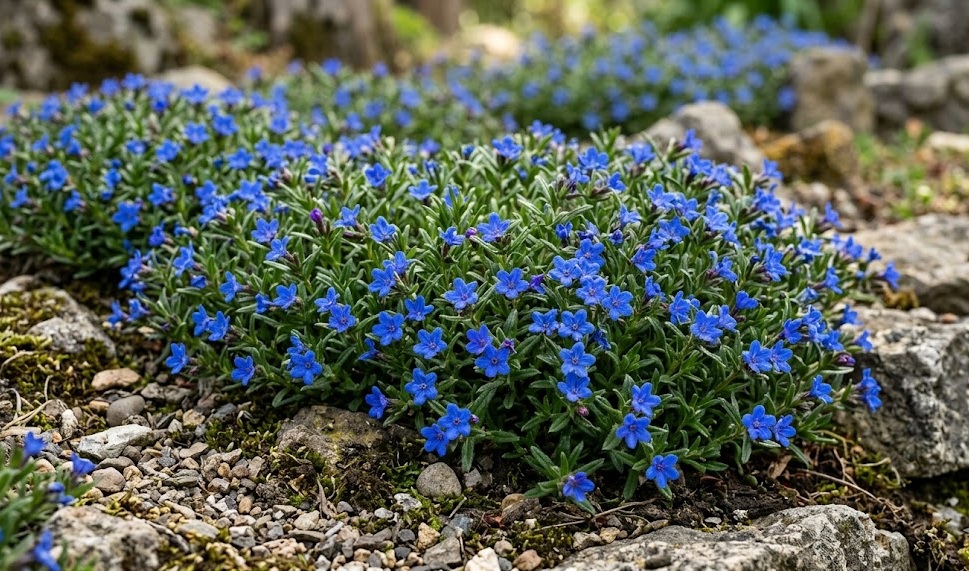

Managing the hydration and nutritional needs of the purple gromwell requires a delicate touch and a professional eye. This plant thrives when it receives a consistent supply of moisture, but it is extremely sensitive to overwatering and poor drainage. You must develop a watering schedule that accounts for the local climate, soil type, and the current stage of the plant’s growth. Proper fertilization is equally important, as it supports the plant’s health and ensures a prolific display of its iconic blue flowers.
The primary goal of watering is to keep the soil evenly moist without allowing it to become waterlogged. You should observe the plant’s foliage for subtle signs of thirst, such as a slight loss of luster or minor drooping. During the peak of summer, you may need to increase the frequency of your watering sessions to compensate for high evaporation rates. Always water at the base of the plant to keep the leaves dry and reduce the risk of disease.
Fertilization should be approached with caution, as this species does not require large amounts of nutrients to succeed. You should focus on maintaining the acidity of the soil while providing a balanced range of essential elements. Over-fertilizing can lead to excessive foliage growth at the expense of flowers and can even damage the delicate root system. A slow-release, acidic fertilizer applied once or twice a year is usually sufficient for most garden settings.
Understanding the relationship between water, nutrients, and soil pH is the hallmark of a professional gardener. If the soil pH is too high, the plant will struggle to take up nutrients regardless of how much fertilizer you apply. Conversely, poor watering habits can wash away nutrients or lead to root rot, which prevents nutrient absorption. By balancing these factors, you create a stable foundation for the purple gromwell to flourish and provide years of beauty.
Hydration needs and techniques
The water requirements of this evergreen shrub change significantly as it moves through its seasonal life cycle. In the spring, as new growth begins and flower buds form, the plant needs a steady supply of moisture to support this energy-intensive phase. You should check the soil frequently during this time, especially if the spring weather is unseasonably dry. Providing enough water now will ensure a more robust and longer-lasting floral display in the coming months.
More articles on this topic
As the plant enters its summer flowering peak, its demand for water remains high due to the heat. You should aim to water early in the morning, which allows the plant to hydrate before the sun reaches its highest point. This timing also ensures that any accidental moisture on the leaves has time to evaporate during the day. Deep watering sessions are far more effective than frequent, shallow sprays, as they encourage roots to grow deeper into the soil.
During the autumn and winter months, the plant’s metabolic processes slow down, and its need for water decreases. You should significantly reduce your watering frequency during this time, only providing moisture if the ground becomes exceptionally dry. Overwatering in the winter is a common mistake that leads to root rot because the plant cannot process the excess liquid. Maintaining a drier soil environment during the dormant period is essential for the survival of the root system.
The type of soil in your garden will also dictate how you approach the task of watering. Sandy or gritty soils drain quickly and will require more frequent, smaller amounts of water to stay moist. Heavier soils with more organic matter retain water longer, meaning you can wait more time between your watering sessions. Adjusting your technique to match your specific garden conditions is a professional skill that prevents both drought stress and waterlogging.
Water quality and soil impact
The quality of the water you use can have a surprising impact on the health of the purple gromwell over time. In many areas, tap water is slightly alkaline and contains minerals like calcium that can slowly raise the soil pH. For an acid-loving plant, this gradual shift toward alkalinity can lead to nutrient deficiencies and poor growth. If you live in an area with hard water, using collected rainwater is a much better option for your gardening needs.
More articles on this topic
Rainwater is naturally soft and slightly acidic, making it the perfect choice for maintaining the ideal environment for this species. You can set up a simple rain barrel system to collect and store water from your roof for use during dry periods. This not only benefits the plant’s health but is also a more sustainable and cost-effective way to manage your garden. The absence of chlorine and other treatment chemicals in rainwater also supports a healthy soil microbiome.
If you must use tap water, you can occasionally counteract its alkalizing effects by applying a soil acidifier. Products containing elemental sulfur or iron sulfate can help keep the pH within the desired range for the plant. You should monitor the soil pH with a testing kit to ensure you are not over-correcting and making the soil too acidic. This professional level of monitoring ensures that your watering habits do not unintentionally harm the plant’s long-term health.
The physical impact of watering can also affect the soil structure around the base of the plant. Using a high-pressure hose can wash away the top layer of soil and expose the delicate surface roots to the air. You should use a gentle watering can or a low-pressure hose attachment to deliver water softly to the ground. Maintaining a layer of organic mulch can also help break the force of the water and prevent soil erosion while keeping the roots cool.
Nutrient requirements and timing
The purple gromwell is not a heavy feeder, but it does benefit from a strategic application of nutrients to support its growth. You should focus on providing a fertilizer that is specifically formulated for acid-loving plants, often labeled as “ericaceous.” These fertilizers contain the right balance of nitrogen, phosphorus, and potassium, along with essential micronutrients like iron. Applying fertilizer at the right time is crucial for maximizing its effectiveness and avoiding plant stress.
The best time for a primary feeding is in early spring, just as the first signs of new growth appear on the stems. This early boost provides the plant with the resources it needs for the upcoming flowering season. You can apply a granular, slow-release fertilizer around the base of the plant and lightly scratch it into the soil surface. Watering the area immediately after application helps move the nutrients down to the root zone where they are needed.
A second, lighter feeding can be done in early summer after the first flush of flowers has started to fade. This can help the plant maintain its vigor through the heat of the summer and may even encourage a smaller secondary bloom. However, you should avoid fertilizing late in the summer or in the autumn. Late-season feeding can stimulate tender new growth that will not have time to harden off before the first frost, leading to winter damage.
You should always follow the manufacturer’s instructions regarding the amount of fertilizer to apply to your plants. It is generally better to under-fertilize than to over-fertilize, as excess salts can build up in the soil and burn the roots. If your plant is growing vigorously and blooming well, it may not need any supplemental fertilizer at all. Observing the plant’s response to your care is the most reliable way to determine its actual nutritional needs.
Organic vs mineral fertilizers
Choosing between organic and mineral fertilizers depends on your gardening philosophy and the specific needs of your soil. Organic options, such as well-rotted leaf mold or composted pine bark, provide a slow and steady release of nutrients. These materials also improve the overall structure of the soil and support beneficial microorganisms that help the plant thrive. Organic matter is excellent for maintaining a stable, long-term environment for the purple gromwell.
Mineral fertilizers, on the other hand, provide nutrients in a form that is immediately available to the plant. This can be useful if you need to correct a specific deficiency quickly, such as yellowing leaves caused by a lack of iron. However, mineral fertilizers can also wash out of the soil more easily and do not contribute to the long-term health of the soil. A professional approach often involves using a combination of both organic and mineral sources to get the best results.
You should be cautious when using organic materials that might be high in lime or other alkalizing agents. For example, some types of garden compost may not be acidic enough for the purple gromwell’s preferences. It is always a good idea to test the pH of any organic amendments before adding them to the planting area. Using specialized organic products designed for acid-loving plants is the safest way to ensure you are not accidentally changing the soil pH.
Liquid fertilizers can also be used as a quick supplement during the growing season if the plant appears to be struggling. These are typically diluted in water and applied directly to the soil or as a foliar spray. While effective, the results are often short-lived and require more frequent applications to maintain. For the long-term health of a groundcover like this, a solid foundation of well-prepared soil and slow-release nutrients is usually the superior choice.
Signs of deficiency and excess
Being able to read the physical signs of the plant’s health is a vital skill for any gardener managing this species. The most common nutritional issue is iron deficiency, which causes the leaves to turn yellow while the veins remain green. This is almost always a result of the soil pH being too high rather than a lack of iron in the soil itself. Correcting the pH is the only way to resolve this issue and restore the plant’s vibrant green color.
If the plant is receiving too much nitrogen, you will see a lot of lush, dark green foliage but very few blue flowers. The stems may also become soft and leggy, making the plant more susceptible to pests and diseases. If you notice this pattern of growth, you should reduce the amount of fertilizer you are using and focus on providing more light. Balancing growth with flowering is the key to maintaining the aesthetic appeal of this shrub.
Water stress can also manifest in ways that mimic nutritional problems or diseases. Brown, crispy edges on the leaves often indicate that the plant is not receiving enough water or is being scorched by the sun. Conversely, yellowing leaves that feel soft or mushy can be a sign of overwatering and the beginning of root rot. Carefully examining the soil moisture and the overall environment will help you distinguish between these different types of stress.
Regularly inspecting your purple gromwell throughout the year allows you to catch these issues early and make the necessary adjustments. A healthy plant will have firm, dark green leaves and a compact, mat-forming growth habit. By providing the right amount of water and the correct nutrients, you ensure that the plant remains a highlight of your garden. Professional care is all about consistency and responding to the subtle signals the plant provides.