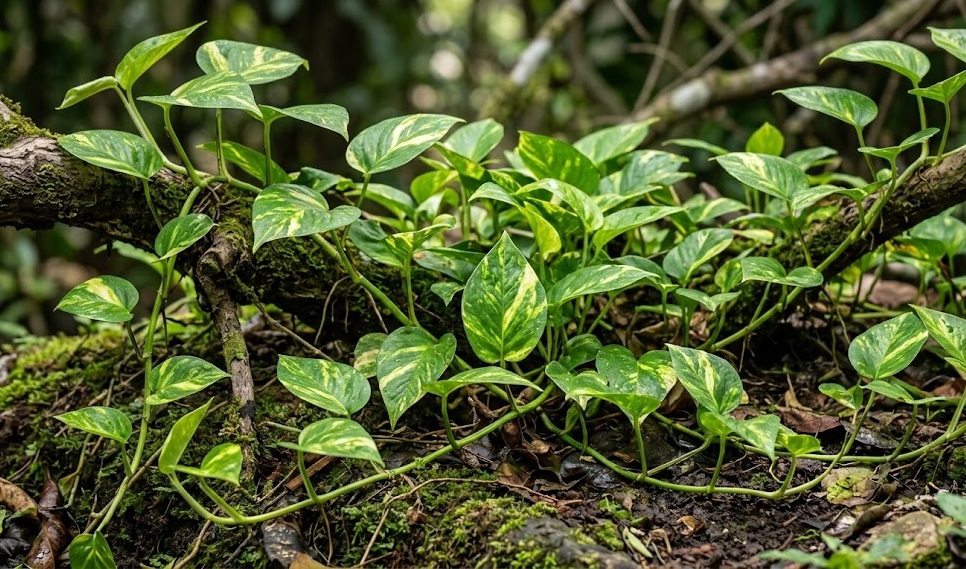

Mastering the hydration needs of your golden pothos is a fundamental skill that directly impacts the health and longevity of the plant. Unlike many other tropical species, this vine prefers a “soak and dry” approach rather than being kept in constantly saturated soil. You should allow the top inch or two of the potting medium to dry out completely before you consider adding more water. This practice encourages the roots to grow deeper in search of moisture, which ultimately creates a more stable and resilient plant in the long run.
Environmental factors such as light intensity, ambient temperature, and humidity levels will all play a role in how quickly the soil dries out. In the heat of the summer or in very bright locations, you might find that your plant requires a thorough watering once a week or even more frequently. Conversely, during the darker winter months, the plant’s metabolic rate slows down, and it may only need hydration every two to three weeks. Developing a habit of checking the soil with your finger rather than following a strict calendar schedule is the best way to avoid mistakes.
When it is time to water, you should do so thoroughly until you see excess liquid beginning to flow out of the drainage holes at the bottom of the pot. This ensures that the entire root ball is reached and helps flush out any accumulated salts from the fertilizer or tap water. It is important to discard any water that collects in the saucer after about fifteen minutes to prevent the plant from sitting in “wet feet.” Stagnant water at the base of the pot is one of the primary causes of root rot and other soil-borne diseases.
The quality of the water you use can also have a subtle effect on the appearance of the foliage over an extended period. While the golden pothos is generally tolerant of standard tap water, some municipal supplies contain high levels of chlorine or fluoride that can cause brown leaf tips. If you notice persistent tip browning, you might try using filtered water or letting tap water sit out overnight before using it. These small adjustments can help maintain the pristine look of the leaves and keep the plant performing at its professional best.
Identifying and correcting watering imbalances
One of the most valuable skills you can develop is the ability to read the physical signs of both overwatering and underwatering before they become critical. If the plant is thirsty, the leaves will typically lose their shine and begin to droop or wilt in a very characteristic way. Fortunately, the golden pothos is remarkably resilient and will usually perk back up within a few hours of receiving a good drink. This “dramatic” response is actually a helpful communication tool that tells you exactly when the plant needs your attention.
More articles on this topic
Overwatering is often more dangerous because the symptoms can sometimes mimic those of underwatering, leading to further mistakes. If you see yellowing leaves that feel soft or mushy, or if the soil has a sour smell, the plant is likely receiving too much water. You might also notice that the stems near the soil line become dark and fragile, which is a sign that the vascular system is failing due to rot. In these cases, it is crucial to stop watering immediately and allow the soil to dry out completely, or even repot the plant in fresh, dry medium.
Consistency is the key to preventing the stress that comes from extreme fluctuations between being bone-dry and soaking wet. While the plant can survive these swings, they often lead to smaller leaves and a more sporadic growth pattern along the vine. You should aim for a rhythmic approach that keeps the plant in a comfortable state of moderate hydration throughout its active growing period. Observing how the weight of the pot changes after watering is another great trick to gauge moisture levels without getting your hands dirty.
If you find it difficult to manage the watering schedule for a large collection, you might consider using self-watering pots or moisture meters as supplemental tools. These can provide a safety net, but they should never fully replace your personal observation and touch. Every home has its own unique climate, and no automated tool can match the expertise of a grower who knows their plant’s individual personality. Staying engaged with your greenery ensures that you can catch and fix any imbalances before they impact the beauty of the display.
Selecting the right nutritional supplements
Fertilization provides the essential building blocks that the golden pothos needs to produce its lush foliage and maintain its vibrant colors. While the plant can survive on the nutrients found in fresh potting soil for a few months, these resources are eventually depleted as the plant grows. You should look for a balanced, water-soluble fertilizer with an equal ratio of nitrogen, phosphorus, and potassium, often labeled as a 10-10-10 or 20-20-20 formula. These general-purpose blends are perfect for supporting the overall health of leafy green indoor plants.
More articles on this topic
Nitrogen is particularly important for this species, as it is the primary driver of vegetative growth and leaf greening. If your plant seems to be growing very slowly even in good light, it may be a sign that it is hungry for a nitrogen boost. However, you must be careful not to over-apply fertilizer, as an excess of nutrients can lead to salt buildup in the soil and burn the delicate roots. Always follow the instructions on the packaging, and when in doubt, it is often better to use a more diluted strength than recommended.
Organic options, such as fish emulsion or liquid seaweed, are also excellent choices for those who prefer a more natural approach to plant care. These fertilizers often provide a wider range of micronutrients and beneficial microbes that can improve the long-term health of the soil. While they may have a stronger odor initially, they are less likely to cause chemical burns and provide a slow, steady release of nutrition. Experimenting with different types of plant food can help you find the perfect match for your specific gardening style.
During the active growing seasons of spring and summer, you should aim to fertilize your pothos once a month to support its expansion. As the growth slows down in the autumn and winter, you should reduce or entirely stop the feeding program to allow the plant its natural period of rest. Feeding a dormant plant can lead to a buildup of unused minerals in the soil, which can eventually become toxic to the root system. Aligning your fertilization schedule with the natural cycles of the year is the most professional way to manage your plant’s nutrition.
Application techniques and dosage management
The way you apply fertilizer is just as important as the type of product you choose to ensure the plant absorbs the nutrients effectively. You should always apply liquid fertilizer to damp soil rather than pouring it onto a completely dry root ball. This practice helps the nutrients distribute more evenly through the medium and significantly reduces the risk of root burn. If the soil is very dry, give the plant a small amount of plain water first, then follow up with the fertilizer solution a few minutes later.
Using a “half-strength” approach is a popular strategy among professional growers to provide a more consistent supply of nutrients without the risk of over-fertilizing. By diluting the fertilizer to fifty percent of the recommended dose and applying it more frequently, you can maintain a steady growth rate. This method prevents the “spike and crash” cycle that can sometimes occur with full-strength applications once a month. It keeps the plant in a state of constant readiness to produce new, healthy leaves and strong vines.
If you prefer a lower-maintenance approach, slow-release granules or spikes can be an effective alternative to liquid feeding. These products are mixed into the top layer of the soil and gradually release small amounts of nutrition every time you water the plant. They typically last for three to six months, making them a “set it and forget it” solution for busy plant owners. However, keep in mind that they offer less control over the dosage if you notice the plant is reacting poorly to the nutrients.
Regardless of the method you choose, it is essential to monitor the plant’s reaction in the weeks following a feeding session. Signs of successful fertilization include a noticeable increase in growth speed and leaves that appear larger and more deeply colored. If you see brown spots in the middle of the leaves or a white crust forming on the soil surface, you should flush the soil with plain water to remove excess salts. Being attentive to these results allows you to fine-tune your approach for the specific needs of your golden pothos.
Long-term soil health and mineral management
Over time, even the best watering and fertilization routine can lead to a shift in the chemical balance of the potting medium. The accumulation of minerals from tap water and fertilizer residues can slowly raise the acidity or salinity of the soil to levels the plant finds uncomfortable. To combat this, you should perform a deep “flush” of the soil at least once every six months by running clear water through the pot for several minutes. This simple maintenance task resets the soil environment and ensures the roots remain healthy and functional.
Refreshing the top layer of soil every year can also provide a natural boost of organic matter and improve the overall structure of the root zone. You can gently scrape away the top inch of old soil and replace it with fresh, high-quality potting mix or compost. This practice introduces new beneficial bacteria and fungi that help break down nutrients and make them more available to the plant. It is a less stressful alternative to a full repotting while still providing many of the same benefits for the plant’s health.
The relationship between light and nutrient uptake is a critical concept that professional interior landscapers always keep in mind. A plant in a very bright spot will photosynthesize much faster and therefore require more water and fertilizer than the same plant in a dim corner. If you move your pothos to a sunnier location, you should be prepared to increase its maintenance requirements to match its higher energy output. Understanding this connection helps you avoid the common mistake of over-fertilizing a plant that simply doesn’t have enough light to use the food.
Ultimately, watering and fertilizing are about creating a stable and supportive environment where your golden pothos can express its full potential. It is a balancing act that requires a mix of scientific knowledge and intuitive observation of the plant’s daily changes. By following these expert guidelines, you can ensure that your vine remains a lush and vibrant part of your home for many years to come. The effort you put into these basic care tasks will be repaid many times over in the form of beautiful, cascading greenery.