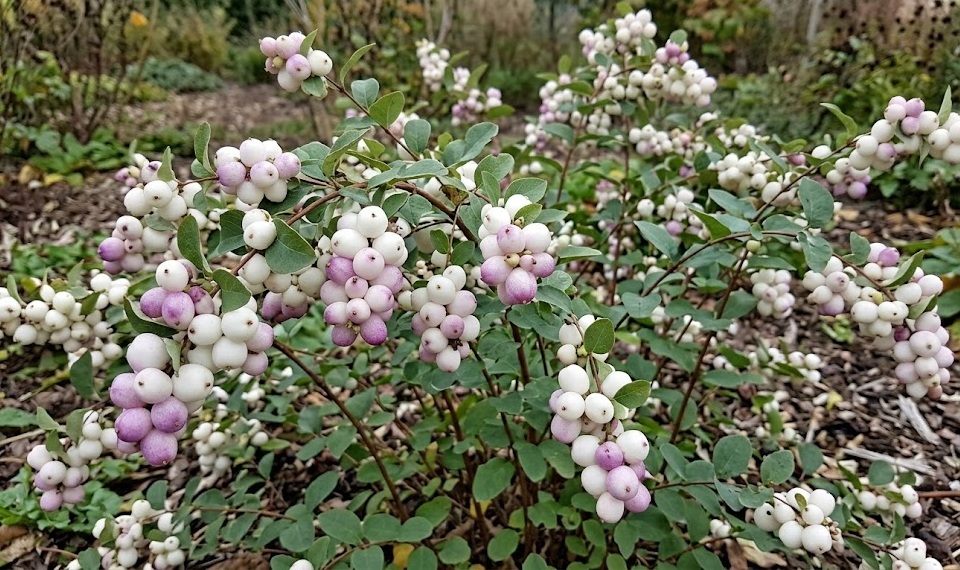

Proper hydration and balanced nutrition are the twin pillars of a successful maintenance routine for the garden snowberry. While this shrub is known for its hardiness, it reaches its full ornamental potential only when its physiological needs are consistently met. You must understand that watering and feeding are not static tasks but dynamic processes that change with the seasons and the plant’s growth cycle. Developing a professional approach to these tasks will ensure your shrub remains vibrant, healthy, and heavy with berries through the winter.
Establishing a consistent watering schedule is particularly important during the first few years after planting. The young root system needs a steady supply of moisture to penetrate deep into the soil and build a resilient foundation. You should aim to water the base of the plant directly, avoiding the foliage to minimize the risk of fungal diseases. During dry spells, a deep soaking once or twice a week is far more effective than a light daily sprinkling that only dampens the surface.
As the snowberry matures, its ability to withstand short periods of drought increases significantly, but it still benefits from supplemental irrigation. In the height of summer, high temperatures can cause the soil to dry out rapidly, leading to stress that might affect the autumn berry crop. You can tell if the plant needs water by checking the top few centimeters of soil; if it feels dry to the touch, it is time to intervene. A well-hydrated plant will have firm, turgid leaves and a healthy, upright posture throughout the day.
The quality of the water you use can also have an impact on the long-term health of the soil and the plant. Whenever possible, using harvested rainwater is preferable to treated tap water, as it is naturally soft and free from chlorine or fluoride. If you must use tap water, letting it sit in a watering can for a few hours can allow some of the chemicals to dissipate. This attention to detail reflects a professional level of care that supports the natural biology of the garden ecosystem.
Seasonal fertilization strategies for growth
Fertilizing the garden snowberry is a task that requires a light touch and a focus on timing rather than quantity. In the early spring, as the buds begin to swell, the plant enters a high-energy phase where it requires extra nutrients. Applying a balanced, granular fertilizer at this time provides the necessary building blocks for new stems and leaves. You should spread the granules evenly around the drip line of the shrub and water them in thoroughly to help the nutrients reach the roots.
More articles on this topic
During the mid-summer months, you might consider a second, lighter application of fertilizer to support the development of the flowers and subsequent berries. A formula with a slightly higher phosphorus content can be beneficial at this stage to encourage a more prolific display of fruit. However, you should avoid high-nitrogen fertilizers late in the season, as this can stimulate soft, green growth that won’t have time to harden before winter. This strategic approach ensures that the plant’s energy is directed toward the most desirable outcomes.
Organic options, such as well-rotted manure or garden compost, are excellent alternatives to synthetic fertilizers. These materials not only provide essential nutrients but also improve the structure and water-holding capacity of the soil. You can apply a thick layer of organic matter as a top-dressing each spring, allowing the worms to gradually incorporate it into the earth. This method fosters a healthy soil microbiome, which in turn leads to a more resilient and self-sufficient shrub.
Observing the plant’s reaction to your feeding schedule is the best way to fine-tune your approach over time. If the leaves are a deep, healthy green and the plant is producing plenty of berries, your current routine is likely sufficient. On the other hand, if growth seems stagnant or the foliage appears yellowed, you may need to adjust the frequency or type of fertilizer used. Professional gardening is as much about observation and adjustment as it is about following a set of predefined rules.
Soil moisture management and drainage
The relationship between watering and soil drainage is a critical factor that can determine the survival of your snowberry. This shrub does not tolerate “wet feet,” which occurs when water sits around the roots for extended periods due to poor drainage. You should ensure that your soil has enough organic matter and pore space to allow excess water to move away freely. If you notice water pooling after a heavy rain, it may be necessary to incorporate grit or create a slightly raised planting area.
More articles on this topic
Mulching plays a vital role in soil moisture management by acting as a protective barrier against evaporation. A layer of organic mulch keeps the root zone cool and damp even during the hottest parts of the summer. This reduces the amount of supplemental watering required and helps maintain a more stable environment for the plant. You should replenish the mulch layer annually to ensure it remains effective and continues to add organic value to the soil as it breaks down.
In regions with heavy clay soil, managing moisture requires a more cautious approach to avoid over-watering. Clay particles hold onto water much longer than sandy soils, meaning you should allow more time between irrigation sessions. You can use a simple moisture meter or the finger test to verify the actual hydration levels beneath the surface. Adjusting your habits based on your specific soil type is a hallmark of an expert gardener who understands local conditions.
During the autumn months, the plant’s water needs begin to decrease as it prepares for its dormant period. You should gradually reduce the frequency of watering as the temperatures drop and the days become shorter. However, it is important to ensure the plant doesn’t go into a frozen winter completely dry, as this can lead to desiccation. A final deep watering in late autumn, before the ground freezes, provides a reservoir that the plant can draw upon during the winter months.
Advanced nutrient management and leaf health
Specific nutrient deficiencies can sometimes manifest as distinct patterns on the leaves of the garden snowberry. For example, a lack of potassium might cause the edges of the leaves to turn brown and brittle. If you identify such issues, you can use targeted foliar feeds or specific soil amendments to correct the balance quickly. Understanding these visual cues allows you to act as a plant doctor, diagnosing and treating problems before they affect the overall health of the shrub.
The pH of your soil significantly influences the availability of nutrients to the snowberry’s root system. While this shrub is adaptable, extreme alkalinity or acidity can “lock up” certain minerals, making them inaccessible to the plant. Periodically testing the soil pH with a simple kit can tell you if you need to add lime to raise the pH or sulfur to lower it. Keeping the soil within a neutral range ensures that the fertilizer you apply is actually being utilized by the plant.
Liquid fertilizers can be a useful tool for providing a quick boost of nutrients during periods of high demand. These products are absorbed rapidly through both the roots and the foliage, offering an immediate response. They are particularly effective for young plants or those recovering from environmental stress or pruning. However, they should be used as a supplement to, rather than a replacement for, a solid base of healthy, organic soil.
Micronutrients like zinc, manganese, and boron are required only in tiny amounts but are still essential for the plant’s biochemical processes. Most high-quality composts and balanced fertilizers contain these elements, but in some depleted soils, they may be missing. Using a kelp-based product once or twice a year can ensure that these vital trace elements are present. This comprehensive approach to nutrition supports the complex internal systems that keep the snowberry looking its best.
Integrating hydration and nutrition into a routine
The most successful gardeners are those who integrate watering and fertilization into a cohesive, seasonal routine. You should keep a simple log or calendar to track when you last fed the plant and how often it has been watered. This record-keeping helps you identify patterns and ensures that the shrub doesn’t accidentally get overlooked during busy times. A structured approach removes the guesswork and leads to more consistent results year after year.
Automated irrigation systems, such as drip lines or soaker hoses, can be a great investment for larger gardens or hedges. These systems deliver water directly to the soil surface at a slow, steady rate, which is ideal for the snowberry. You can set them on a timer to ensure the plants are watered early in the morning, which is the best time for absorption. This technology allows you to maintain professional standards of care with much less manual labor.
As your snowberry grows and its root system expands, the area you need to water and fertilize will also increase. You should always apply water and nutrients to the area under the full spread of the branches, known as the drip line. This is where the most active “feeder roots” are located, ready to take up resources. Neglecting this expansion can lead to a plant that is well-fed at the center but struggling at the edges of its root zone.
Finally, always remember that the goal of watering and fertilization is to support the plant’s natural resilience. Over-pampering can sometimes result in a plant that is less able to cope with natural fluctuations in the environment. By providing just the right amount of support, you encourage the snowberry to develop a strong, independent system. This balanced philosophy is the secret to a thriving, low-maintenance garden that brings joy throughout the changing seasons.