
Proper hydration and nutrient management are the twin pillars of maintaining a healthy and vibrant woodland garden. You must learn to balance the soil moisture levels to satisfy the needs of these spring-blooming plants without causing root issues. Fertilization requires a gentle touch, as these species are adapted to the naturally lean but nutrient-rich forest floor. Understanding the specific timing of these interventions will ensure your plants remain vigorous and beautiful year after year.
Hydration principles for forest plants
Maintaining the right moisture level is essential for the survival of plants that naturally inhabit the damp forest floor. You should aim to keep the soil consistently moist during the entire spring growing season to support the delicate foliage. If the soil dries out completely, the plant may enter dormancy too early, which limits its ability to store energy. However, you must also ensure that the soil is not saturated, as this can lead to oxygen deprivation for the roots.
Natural rainfall often provides enough moisture during the early spring, but you should always be ready to supplement it. You can check the soil by inserting a finger an inch or two into the ground to feel for moisture. If the earth feels dry to the touch, it is time to provide a gentle soaking with a watering can or hose. Regular monitoring prevents the sudden stress that can occur during unseasonably warm or dry spring days.
The quality of the water you use can also impact the health of your sensitive woodland specimens over time. If possible, use collected rainwater, as it is naturally soft and free from the chemicals found in municipal tap water. If you must use tap water, letting it sit in an open container for a few hours can help some of the chlorine dissipate. Small adjustments like this can make a noticeable difference in the vitality of your garden plants.
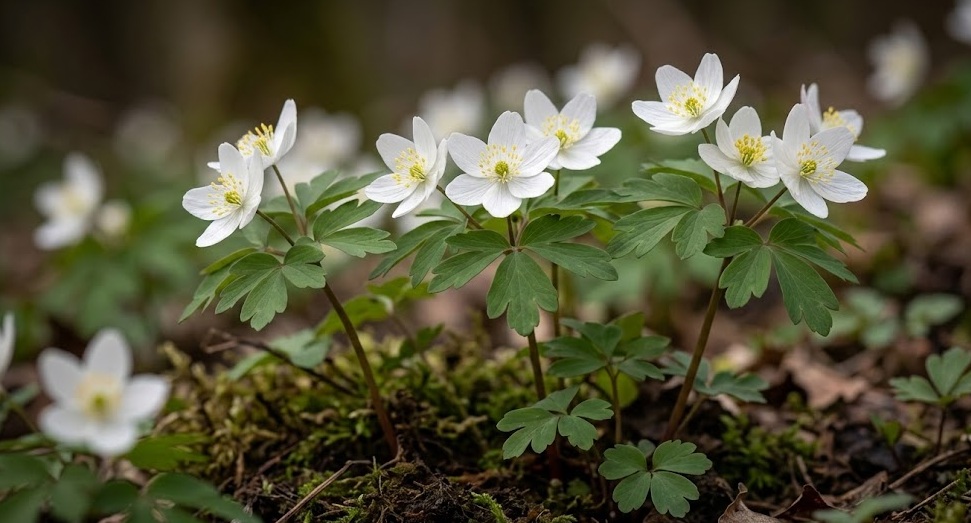
Morning is the best time for watering because it allows the foliage to dry before evening, reducing the risk of fungal issues. You should direct the water at the base of the plant to ensure it reaches the root zone efficiently. Avoid heavy overhead spraying that can flatten the delicate stems or damage the fragile white flowers. A focused and gentle approach to hydration is always the most effective strategy for these forest dwellers.
More articles on this topic
Adjusting for seasonal changes
As the season progresses from the cool of spring to the heat of summer, your watering routine must adapt accordingly. You will notice that the plant’s demand for water decreases significantly as it begins its natural transition into dormancy. During this phase, you should only provide enough water to prevent the soil from becoming bone-dry. Excessive watering of a dormant plant can lead to the rot of the underground rhizomes during the summer.
In the autumn, the roots may become active again as they prepare for the following year, even if there is no visible foliage. You should ensure the soil has adequate moisture if the autumn season is particularly dry in your region. This hidden activity is crucial for the development of next year’s flower buds and overall plant vigor. A final deep watering before the ground freezes can help the plants survive the winter in better condition.
Winter watering is rarely necessary in most climates where the ground stays frozen or covered in snow for several months. However, if you live in an area with dry winters and no snow cover, occasional hydration on warm days can be beneficial. You want to avoid the roots drying out completely during long periods of frozen ground and cold winds. Nature usually handles this well, but a little extra attention can prevent winter desiccation in certain environments.
The return of spring signals the time to resume a regular and consistent watering schedule for your emerging plants. You will see the new growth responding quickly to the combination of warming soil and adequate moisture levels. Being proactive during this rapid growth phase ensures that the plant has everything it needs for a spectacular flowering display. Every season brings its own set of challenges, but a flexible approach will keep your garden thriving.
More articles on this topic
Nutrient requirements and soil health
Understanding the natural nutrient cycle of the forest floor is the key to fertilizing your woodland plants correctly. In the wild, these species rely on the slow decomposition of leaves and organic matter to provide a steady stream of minerals. You should try to replicate this by using high-quality organic compost instead of harsh chemical fertilizers. This approach feeds not only the plants but also the beneficial soil microorganisms that support plant health.
Nitrogen is important for the development of lush green foliage, but too much can lead to weak and floppy stems. You want a balanced supply of nutrients that promotes overall health rather than just rapid, unsustainable growth. Phosphorus and potassium are also essential for root development and the production of healthy flowers and seeds. Using a well-balanced organic matter ensures that all these elements are available in the right proportions.
Micronutrients like calcium and magnesium are also vital for the long-term structural integrity of the plant cells. You can ensure these are present by maintaining a healthy pH and adding a variety of organic amendments to your beds. Well-rotted manure or seaweed extracts can provide a wide range of trace minerals that might be missing from standard garden soil. A diverse diet for your soil leads to more resilient and beautiful plants in your collection.
If you decide to use a liquid fertilizer, you should dilute it to at least half the recommended strength to avoid burning the roots. You should only apply these supplements during the active growing phase in the early spring for the best results. Once the flowers have faded and the foliage begins to age, it is best to stop all fertilization for the year. Following the natural rhythm of the plant ensures that the nutrients are used effectively and not wasted.
Application techniques for maximum benefit
When applying organic compost or mulch, you should spread it evenly across the entire root zone of the colony. You want to avoid piling material directly against the stems, as this can trap moisture and encourage disease. A layer about one or two inches thick is usually sufficient to provide nutrients and help retain soil moisture. This “top-dressing” method is the safest and most natural way to feed your forest plants.
If you are using granular organic fertilizers, you should scratch them lightly into the top layer of the soil before watering. This helps the nutrients move down toward the root system where they are needed most. Be careful not to disturb the delicate roots that often sit very close to the surface in woodland species. Watering immediately after application helps activate the fertilizer and prevents any potential damage to the foliage.
For larger plantations, using a compost tea can be a very efficient way to deliver nutrients and beneficial microbes. You can apply this liquid directly to the soil using a watering can or a low-pressure sprayer. This method is especially useful in the early spring when the plants are just starting to emerge from the ground. It provides a gentle boost that helps the plants get off to a strong start for the new season.
Monitoring the response of your plants to your fertilization efforts is an important part of the learning process. You should look for improved leaf color, more robust stems, and a greater number of flowers as signs of success. If the plants look healthy and are spreading naturally, you may find that they need very little supplemental feeding. Sometimes, the best care is simply maintaining the natural health of the soil ecosystem.
Avoiding common pitfalls
Over-fertilization is a common mistake that can lead to more problems than it solves in a woodland garden. Excessive nutrients can cause a buildup of salts in the soil, which damages the sensitive root hairs of the plants. It can also attract pests or encourage the growth of aggressive weeds that may crowd out your delicate flowers. Remember that these species have evolved to thrive in environments with moderate nutrient availability.
Poor drainage combined with heavy watering is a recipe for root rot and the eventual death of your plants. You should always ensure that the water can move freely through the soil and away from the root zone. If you notice that water is sitting on the surface for more than a few minutes, you need to improve the soil structure. Adding organic matter or grit can help open up the soil and allow for better drainage and aeration.
Ignoring the natural dormancy period is another pitfall that can lead to unnecessary stress for the gardener and the plant. You should not try to keep the foliage green by watering excessively during the hot summer months. Acceptance of the plant’s natural life cycle is a key part of becoming a successful woodland gardener. Let the plant rest when it needs to, and it will return stronger and more beautiful the following year.
Finally, relying too heavily on synthetic chemicals can disrupt the delicate balance of your garden’s ecosystem. These products can harm beneficial insects and soil life that are essential for the long-term health of your plants. Transitioning to organic methods might take some time, but the results are a more stable and resilient garden. Your plants will be better able to handle environmental stress when they are part of a healthy, natural system.