
Managing the hydration and nutrition of your emerald ripple peperomia is a balancing act that requires a thoughtful and observant approach. You want to provide enough resources for the plant to thrive without overwhelming its delicate root system with excess moisture or chemicals. Many of the most common issues with this variety can be traced back to improper watering habits or over-fertilization. By learning to read the signs your plant is giving you, you can create a perfect maintenance routine.
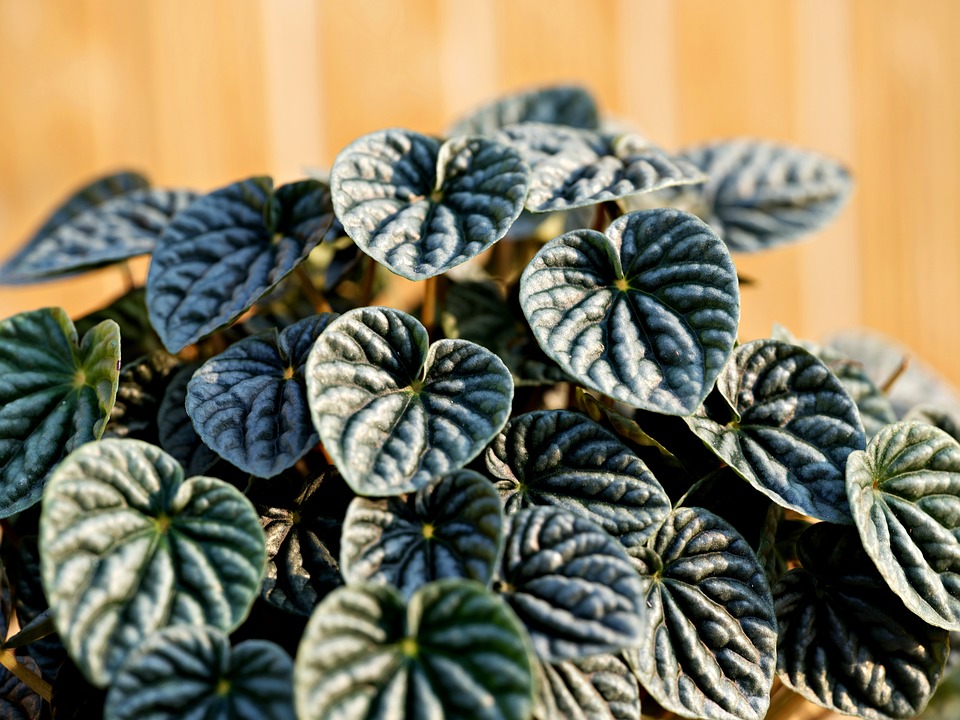
The physical structure of the emerald ripple peperomia gives you a clue about its specific watering needs and how it stores moisture. Its semi-succulent leaves and stems are capable of holding a small reservoir of water, which means it prefers a slightly drier environment. You should always check the top few centimeters of soil before deciding to add more water to the container. If the soil still feels damp to the touch, it is better to wait another day or two before intervening.
Watering from the bottom is a technique that many professional growers recommend to protect the crown of the plant from moisture. You can place the pot in a shallow tray of water and allow the soil to soak up the hydration through the drainage holes. This method ensures that the roots at the bottom of the pot get a deep drink while keeping the upper stems dry. After about twenty minutes, remove the pot from the tray and let any excess water drain away completely.
The quality of the water you use can have a long-term impact on the health and appearance of your foliage. If your local tap water is very hard or contains high levels of chlorine, you might notice white crusty deposits on the soil or leaf tips. You can solve this by using filtered water, rainwater, or simply letting tap water sit in an open container for twenty-four hours. This small adjustment can prevent many physiological stresses and keep your plant looking its best for years.
Establishing a watering schedule
While it is tempting to stick to a rigid weekly schedule, you should always let the environmental conditions dictate when you water. During the height of summer, the heat and light will cause the plant to use up its water much faster than in the winter. You might find yourself watering twice a week during a heatwave and only once every two weeks during the darker months. This flexible approach ensures that the plant always has exactly what it needs to maintain its turgidity and health.
More articles on this topic
The type of pot you use also plays a significant role in how often you will need to provide hydration to your plant. Terracotta pots are porous and allow moisture to evaporate from the sides, meaning you will need to water more frequently. Plastic or glazed ceramic pots hold onto water much longer, which can be a benefit if you tend to be a more forgetful gardener. Understanding the relationship between your container and the soil moisture will help you avoid the dangers of overwatering.
When you do water your emerald ripple peperomia, make sure you do it thoroughly until you see liquid coming out of the drainage holes. This ensures that the entire root ball is saturated and prevents the buildup of harmful salts in the lower layers of the soil. A shallow watering that only dampens the surface can lead to a weak root system that stays near the top of the pot. A deep, infrequent soak encourages the roots to grow down and create a more stable foundation for the plant.
Observation is your most powerful tool when it comes to determining the hydration status of your indoor greenery. If the leaves start to look a bit dull or feel soft to the touch, it is often a sign that the plant is thirsty. On the other hand, yellowing leaves or a mushy base usually indicate that the soil has been kept too wet for too long. By paying close attention to these visual and tactile cues, you can adjust your habits before any permanent damage occurs.
Essential nutrients for growth
Fertilization is an important part of plant care that provides the building blocks for new leaves and strong stems. You should think of fertilizer as a supplement to help the plant reach its full potential during the active growing season. The emerald ripple peperomia is not a heavy feeder, so a cautious approach is always better than overdoing it. Providing a balanced, water-soluble fertilizer once a month from spring through early autumn is usually sufficient for its needs.
More articles on this topic
You should always dilute your fertilizer to half the strength recommended on the product packaging to avoid burning the sensitive roots. These plants have a relatively small root system, and a full-strength dose of chemicals can be too intense for them to handle. It is much safer to provide a weaker solution more regularly than to give one heavy application that might cause stress. This gentle feeding strategy mimics the natural slow release of nutrients found in a forest floor environment.
Organic fertilizers, such as fish emulsion or seaweed extract, are excellent alternatives for those who prefer a more natural approach. These products often contain a wide range of trace minerals that contribute to the overall health and resilience of the plant. They tend to be less likely to cause salt buildup in the soil compared to synthetic chemical fertilizers. Experimenting with different types of nutrition can help you find the best formula for your specific growing conditions.
Always make sure the soil is already moist before you apply any liquid fertilizer to your emerald ripple peperomia. Applying nutrients to bone-dry soil can cause the concentrated salts to damage the fine root hairs that absorb water. By watering first and then feeding, you ensure that the fertilizer is distributed evenly throughout the substrate. This simple step is a professional secret that protects your plant and ensures it gets the most benefit from the feeding.
Managing nutrient deficiencies
You can often tell what your plant is lacking by looking closely at the patterns on the leaves and the speed of growth. A lack of nitrogen usually results in older leaves turning pale or yellow as the plant moves resources to new growth. If you notice that the new leaves are very small or distorted, it might be a sign of a calcium or micronutrient deficiency. Regular feeding with a balanced product usually prevents these issues from arising in the first place.
On the other hand, it is equally important to recognize the signs of over-fertilization, which can be quite damaging to the plant. If the leaf tips turn brown and crispy or if you see a white crust forming on the soil surface, you are likely using too much fertilizer. When this happens, you should flush the soil with plenty of clear water to wash away the excess mineral salts. Stop feeding for a few months to allow the plant to recover and the soil chemistry to return to a normal state.
The changing seasons also mean that you should pause your fertilization routine entirely during the late autumn and winter. The plant is not actively growing during this time, so it cannot utilize the extra nutrients you might be providing. Adding fertilizer to a dormant plant can lead to a dangerous buildup of chemicals that will stress the roots once spring arrives. Respecting the natural dormancy period is a key part of maintaining a healthy and long-lived specimen.
As your plant grows and the soil becomes older, the natural reserves of nutrients will eventually become depleted. This is why regular repotting or refreshing the top layer of soil is so beneficial for long-term health. Combining fresh substrate with a careful fertilization schedule ensures that your emerald ripple peperomia has everything it needs. You will be rewarded with a plant that looks consistently lush and vibrant, regardless of its age.
Practical tips for success
One handy trick for checking soil moisture without getting your hands dirty is to use a wooden skewer or a moisture meter. You can insert the skewer deep into the pot and see if it comes out clean or with damp soil clinging to it. This gives you a clear picture of what is happening at the root level, which is often very different from the surface. Many experienced gardeners rely on this method to avoid the guesswork that often leads to watering mistakes.
You should also be aware of the impact that your home’s humidity has on the frequency of your watering and feeding. High humidity means the plant loses less water through its leaves, so the soil will stay moist for a longer period. Conversely, a very dry room will require you to be more diligent with your watering routine to prevent the plant from wilting. Adjusting your care to match your specific microclimate is what makes you an expert in your own indoor garden.
Always try to water your plant during the morning hours so that any splashes on the leaves have time to dry before evening. Moisture that sits on the foliage overnight in a cool room can create the perfect conditions for fungal diseases to take hold. If you do get water in the center of the mound, you can gently blot it away with a piece of paper towel. This small detail can prevent crown rot and keep your plant’s core healthy and firm.
Finally, remember that every emerald ripple peperomia is an individual and might react slightly differently to your care. What works perfectly for one plant might need a bit of adjustment for another depending on its size and the light it receives. Don’t be afraid to experiment and find the unique rhythm that makes your specific plant thrive. The time you spend observing and caring for your greenery is an investment that pays off in a more beautiful home.