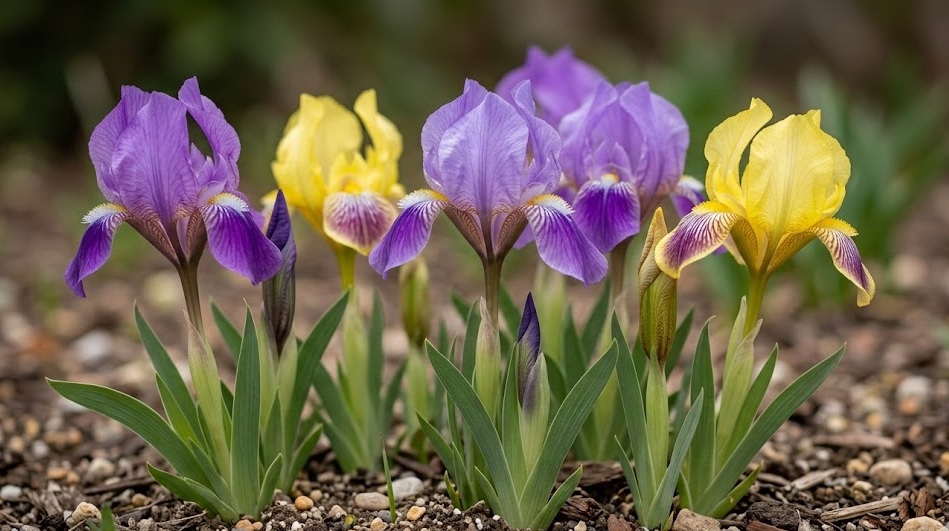

Providing the correct balance of moisture and nutrients is a fundamental aspect of professional care for these early spring specialists. You will find that their needs change significantly as they transition from the active blooming phase to summer dormancy and then into winter rest. Understanding these shifting requirements allows you to maintain a healthy garden without wasting resources or risking the health of the plants. Strategic management of water and food ensures that your collection remains a highlight of your landscape for many years.
Early spring is the time when the demand for moisture is at its peak as the plant prepares to produce its vibrant flowers. You should check the soil regularly to ensure it does not dry out completely during the critical bud development stage. Natural rainfall is often sufficient at this time of year, but a dry spring might require you to provide supplemental irrigation. Aim to keep the soil consistently moist but never waterlogged, as the roots still need oxygen to function properly.
The method of watering is just as important as the frequency when it comes to maintaining a healthy environment for the irises. You should always apply water at the base of the plant to keep the foliage and the top of the rhizome as dry as possible. Overhead watering can encourage the spread of fungal spores and may cause the delicate flowers to droop or lose their petals prematurely. A slow, steady drip or a careful pour from a watering can is the most effective way to deliver moisture where it is needed.
As the flowers fade and the heat of summer arrives, you should gradually reduce the amount of water you provide to the beds. These plants are naturally adapted to dry summer conditions in their native regions, and too much water during dormancy can lead to rot. You should only consider watering in the summer if there is an extended period of extreme drought that causes the foliage to shrivel excessively. This period of relative dryness is actually beneficial for the ripening of the rhizomes for the next year’s growth.
In the autumn, a slight increase in natural soil moisture helps the plants settle in and prepare for the coming cold. You should not go out of your way to irrigate during this time unless the soil is exceptionally dusty and dry. The goal is to provide a stable environment where the roots can remain firm and hydrated without being forced into new, soft growth. Proper moisture management in the fall sets the stage for a successful wintering process and a vigorous start in the spring.
More articles on this topic
Professional fertilization for optimal blooming
Nutrient application should be timed to match the natural growth cycles of the plant to ensure the best possible results. You should provide a light feeding in the very early spring just as the first green shoots begin to emerge from the ground. A fertilizer with a lower nitrogen content and higher levels of phosphorus and potassium is ideal for encouraging flowers rather than just leaves. This initial boost provides the energy needed for the plant to produce its large and colorful blooms after the long winter.
A second application of fertilizer is often recommended immediately after the flowering period has finished for the year. This helps the plant replenish the energy stores in its rhizome that were depleted during the intense blooming stage. You should focus on a slow-release formula that will provide a steady supply of nutrients over the following few weeks. Avoid fertilizing late in the summer or in the fall, as this could stimulate new growth that won’t have time to harden off before frost.
Organic amendments like bone meal are excellent additions to the soil around your miniature irises because they provide a safe source of phosphorus. You can scratch a small amount into the soil surface around the plants, making sure to keep it away from direct contact with the rhizome. Compost is also a great choice, but it should be very well-rotted and applied sparingly to avoid trapping too much moisture. These organic options improve the overall biology of the soil, which leads to a more resilient and healthy garden ecosystem.
Observing the reaction of your plants to the fertilizer you use will help you fine-tune your approach over several seasons. You should look for healthy, firm green leaves and a consistent increase in the number of flower stalks produced by each clump. If the leaves are becoming overly lush and soft, or if there are no flowers, you may need to reduce the nitrogen or adjust the pH. Gardening is an ongoing experiment, and your irises will tell you exactly what they need if you pay close attention to their growth.
More articles on this topic
Understanding soil pH and mineral availability
The chemical balance of the soil plays a silent but crucial role in how well your plants can access the nutrients you provide. You should aim for a soil pH that is neutral to slightly alkaline, as this is the environment where these plants naturally thrive. If your soil is too acidic, the plants may struggle to take up essential minerals like calcium and magnesium even if they are present in the ground. A simple soil test every couple of years will give you the data you need to make informed decisions about lime or sulfur additions.
Calcium is particularly important for the structural integrity of the cell walls in both the leaves and the rhizomes of the iris. You can add crushed limestone or gypsum to your garden beds if your soil test indicates a deficiency in this vital mineral. Stronger cell walls make the plant more resistant to physical damage and less attractive to certain types of boring insects. This internal strength is the first line of defense for any plant in a professional garden setting.
Micronutrients like iron and manganese are also necessary in very small quantities for the production of chlorophyll and the overall metabolism of the plant. You should ensure that your choice of fertilizer includes a spectrum of trace elements to prevent any obscure nutritional deficiencies. Yellowing between the veins of the leaves can sometimes be a sign that the plant is struggling to produce enough green pigment due to a mineral lack. Maintaining a healthy soil life through organic practices usually ensures that these micronutrients are available in sufficient amounts.
The relationship between moisture and nutrient uptake is a dynamic process that requires a balanced approach to garden maintenance. You should remember that plants can only absorb minerals that are dissolved in water, so moisture levels must be adequate during the feeding times. However, excessive water can also wash away soluble nutrients before the roots have a chance to take them in. This is why well-drained soil and slow-release fertilizers are such a powerful combination for long-term gardening success.
Avoiding common mistakes in feeding and watering
One of the most frequent errors made by enthusiastic gardeners is overwatering during the summer dormancy period. You might think you are helping a wilting plant by adding more water, but you could actually be encouraging the growth of rot-causing bacteria. It is important to remember that these plants are adapted to survive in dry, rocky environments during the hottest months of the year. Trusting the plant’s natural ability to handle heat will lead to a much healthier and more stable garden in the long run.
Using a fertilizer that is too high in nitrogen is another mistake that can lead to disappointing results in the spring. Nitrogen promotes rapid green growth, which can result in a beautiful clump of leaves but very few of those prized flowers. Furthermore, the soft growth produced by too much nitrogen is much more susceptible to frost damage and pest attacks. Professional growers always prioritize the long-term health and structural strength of the plant over quick, superficial growth.
Applying fertilizer directly onto the rhizome can cause chemical burns that leave the plant vulnerable to infections and rot. You should always scatter the granules or spread the compost around the perimeter of the plant where the feeder roots are located. This encourages the roots to grow outward and creates a more stable foundation for the entire clump as it expands over time. A little bit of distance between the nutrients and the main body of the plant is always a safer practice.
Finally, failing to adjust your watering and feeding schedule based on the local weather patterns can lead to unnecessary stress for your garden. You should be flexible and responsive to the actual conditions in your yard rather than strictly following a calendar. A particularly rainy spring means you can skip the watering, while a very dry autumn might require a little extra attention. This intuitive and observational approach is what defines a truly expert gardener who understands the living nature of their plants.
Creating a sustainable nutrient and water cycle
Building a healthy soil structure over several years is the best way to reduce your reliance on artificial inputs and frequent irrigation. You can achieve this by incorporating high-quality organic matter and avoiding practices that compact the earth or kill beneficial soil organisms. A soil that is rich in life and has a good crumbly texture will naturally hold onto the right amount of moisture and nutrients. This long-term investment in soil health pays off in the form of plants that are easier to maintain and more beautiful to look at.
Mulching is a common gardening practice, but it must be handled with extreme care when it comes to the dwarf iris. You should never allow mulch to cover the rhizomes or lean against the base of the fans, as this will trap moisture and cause rot. However, a thin layer of gravel or stone chips can help keep the soil cool and suppress weeds without the risks associated with organic mulches. This inorganic approach mimics the plant’s native alpine or steppe habitats and looks very professional in a rock garden setting.
Collecting rainwater in a barrel is a sustainable way to provide your garden with high-quality water that is free from the chlorine and minerals found in tap water. You will find that many plants respond better to the slightly acidic and natural temperature of rainwater during the growing season. This practice not only saves money but also reduces your environmental footprint while providing the best possible hydration for your collection. It is a simple step that integrates your gardening hobby with a more mindful and ecological lifestyle.
Sharing your successes and observations with other iris enthusiasts can help you refine your techniques for watering and fertilization even further. You might discover a specific local product or a timing trick that works perfectly for your unique microclimate and soil type. The gardening community is a great source of practical knowledge that complements the professional advice found in books and magazines. Ultimately, the best teacher is your own garden, as you watch your dwarf irises thrive and bloom under your careful and informed management.