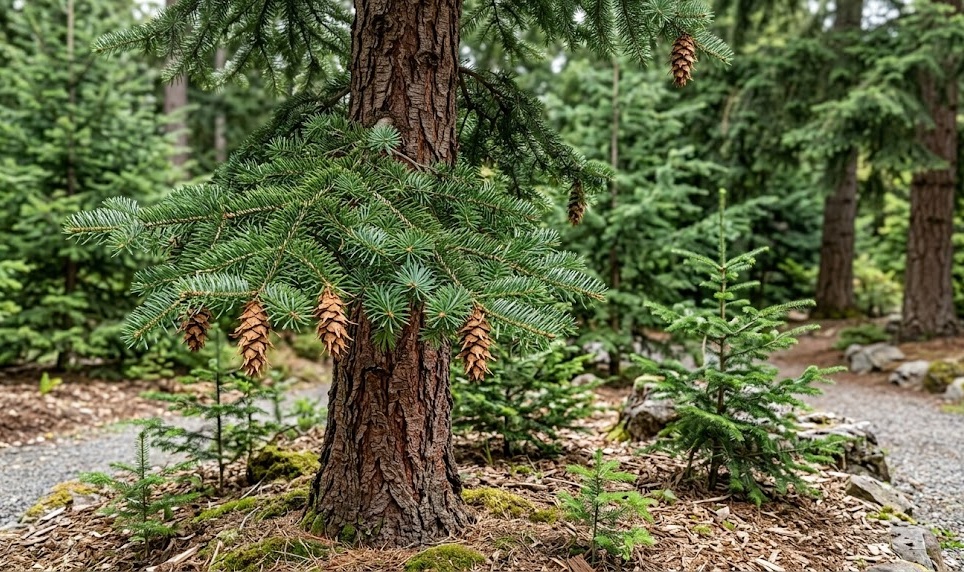

Water and nutrients are the primary fuels for the rapid growth and long-term health of the Douglas fir. In a managed landscape, the natural cycles of rainfall and decomposition are often disrupted, making human intervention necessary to maintain the tree’s vigor. A professional approach to irrigation and feeding involves monitoring the tree’s signals and understanding the seasonal shifts in its metabolic needs. By mastering these two fundamental aspects of care, you can ensure your conifer remains resilient against drought, pests, and environmental stress.
Principles of effective irrigation
The water requirements of a Douglas fir vary significantly depending on its age and the current weather conditions. Newly planted trees need consistent moisture to help their roots establish, often requiring a deep soak once or twice a week. You should check the soil a few inches below the surface to see if it feels dry before adding more water. As the tree matures and its root system expands, it becomes much more drought-tolerant and requires less frequent intervention from the gardener.
Deep watering is far more beneficial than frequent, shallow sprinkling, as it encourages the roots to grow downward into the cooler soil. You should apply water slowly at the drip line of the tree, which is the area directly under the outermost branches. This method ensures that the water reaches the active feeder roots rather than just evaporating from the surface. A slow-release watering bag or a soaker hose can be an excellent tool for providing this steady, deep hydration without wasting water.
Seasonal adjustments to your watering schedule are essential for preventing both drought stress and root rot. During the hot, dry months of summer, the tree may require extra support to keep its needles from browning and falling. Conversely, you should reduce watering in the late autumn to help the tree prepare for winter dormancy and prevent soft, late-season growth. Understanding these natural rhythms allows you to provide the right amount of support exactly when the tree needs it most.
Monitoring the environmental cues in your garden will help you determine the optimal time to water. If you notice the needles losing their luster or the soil pulling away from the trunk, the tree is likely experiencing moisture stress. You should also take into account the amount of natural rainfall and the humidity levels in your area before deciding to irrigate. Being observant and responsive to the tree’s appearance is the hallmark of a professional and successful gardening routine.
More articles on this topic
Understanding nutrient requirements
The Douglas fir is generally not a “heavy feeder,” but it does benefit from a balanced supply of essential elements. Nitrogen is the most important nutrient for promoting lush, green needle growth and overall biomass production. You should also ensure the presence of phosphorus for strong root development and potassium for disease resistance and water regulation. A balanced, slow-release fertilizer is usually the safest choice for maintaining a steady supply of these nutrients throughout the growing season.
Micronutrients like magnesium, iron, and sulfur also play vital roles in the internal chemistry of the tree. A deficiency in magnesium, for example, can cause the older needles to turn yellow while the veins remain green, a condition known as chlorosis. You can address these specific needs by using specialized conifer fertilizers that include a full spectrum of trace minerals. Maintaining the correct soil pH is also crucial, as it determines how easily the tree can access the nutrients already present in the ground.
Organic fertilizers are often preferred by professionals because they improve the soil structure while feeding the tree. Materials like compost, fish emulsion, or well-aged manure provide a slow and steady release of nutrients that mimics the forest floor. You should spread these materials over the root zone and allow them to break down naturally into the soil. This approach not only feeds the tree but also supports the beneficial soil microbes that are essential for long-term health.
The timing of fertilizer application is just as important as the type of nutrients you choose to use. The best time to feed a Douglas fir is in the early spring, just as the new growth begins to emerge from the buds. You should avoid fertilizing in the late summer or autumn, as this can stimulate new growth that won’t have time to harden off before the frost. Proper timing ensures that the tree has the energy it needs for its primary growth spurt without risking winter damage.
More articles on this topic
Application techniques and safety
When applying granular fertilizer, you should distribute it evenly across the entire root zone, starting a few inches from the trunk. You must avoid piling the fertilizer against the bark, as the high salt content can cause chemical burns and create entry points for disease. After spreading the granules, you should water the area thoroughly to help dissolve the nutrients and move them down to the roots. This step is essential for making the fertilizer available to the tree and preventing it from sitting on the surface.
Liquid fertilizers are a great option for providing a quick boost to a stressed tree or for young saplings with small root systems. These products can be applied directly to the soil or sprayed onto the needles for rapid absorption, a process known as foliar feeding. You should follow the dilution instructions on the package carefully to avoid over-concentrating the solution. Liquid feeding is best done in the early morning or late evening when the temperatures are cooler and the sun is not as intense.
Using a “root feeder” tool is another professional method for delivering nutrients and water directly into the subsoil. This device is a long probe that you insert into the ground around the drip line, allowing you to bypass the surface grass and weeds. This ensures that the Douglas fir receives the maximum benefit from the application without competition from other plants. It is particularly effective for large, established trees that may have compacted soil around their roots.
Safety for both the gardener and the environment should always be a priority when handling any agricultural chemicals. You should wear gloves and eye protection when measuring and spreading fertilizers to prevent skin irritation. Avoid applying fertilizers right before a heavy rainstorm, as the runoff can carry the nutrients into local waterways and cause pollution. By being mindful and precise in your application, you protect the health of your tree and the surrounding ecosystem.
Identifying and correcting deficiencies
Learning to read the “body language” of the Douglas fir will tell you if your watering and fertilization programs are working. If the new growth is pale or stunted, it is often a sign that the tree is lacking nitrogen or that the soil is too dry. You should also look for needles that are shorter than normal or have brown tips, which can indicate a variety of nutrient imbalances or water stress. Catching these signs early allows you to make minor adjustments before the tree’s health is seriously compromised.
Soil testing is the only definitive way to know what is happening beneath the surface and what your tree truly needs. You should take several small samples from different areas around the tree and send them to a lab for professional analysis. The results will provide you with a clear picture of the nutrient levels and the pH of your soil, along with specific recommendations for amendments. This data-driven approach takes the guesswork out of tree care and prevents the waste of time and money.
Over-fertilization is a common mistake that can be just as damaging to the tree as a lack of nutrients. Excessive nitrogen can lead to rapid, weak growth that is easily broken by wind or attacked by pests like aphids. High salt levels from too much fertilizer can also dehydrate the roots, causing a condition known as “fertilizer burn.” If you suspect you have over-applied a product, you should flush the soil with large amounts of clean water to wash away the excess salts.
In cases where the soil is naturally very poor or rocky, you may need to implement a more intensive, multi-year feeding plan. You can build up the soil quality over time by adding layers of organic matter and using slow-release mineral supplements. Be patient, as it takes time for the soil chemistry to change and for the tree to respond to the improved conditions. Consistency is the key to transforming a struggling specimen into a thriving, dominant feature of your landscape.
Managing water and nutrients in extreme weather
Extreme weather events, such as heatwaves or prolonged droughts, require a shift in your management strategy. During these times, the tree’s primary goal is survival, and its metabolic processes will naturally slow down to conserve resources. You should increase the frequency of deep watering but hold off on any fertilization until the weather moderates. Adding nutrients to a drought-stressed tree can actually increase its water needs and cause further damage to the foliage.
Heavy rainfall and flooding present a different set of challenges for the Douglas fir, particularly regarding soil aeration. Waterlogged soil lacks the oxygen that roots need to survive, which can lead to the rapid death of feeder roots and the onset of rot. You should ensure that any drainage issues are addressed before the rainy season begins to prevent standing water around the trunk. If the soil remains saturated for too long, you might need to use a specialized tool to aerate the ground and reintroduce oxygen.
Winter brings a unique type of “physiological drought” where the ground is frozen and the tree cannot absorb water, but the needles continue to lose moisture. You can help prevent this winter desiccation by ensuring the tree is well-hydrated before the first hard freeze of the season. Applying a fresh layer of mulch in late autumn will also help insulate the soil and keep it from freezing as deeply. This simple preparation can make the difference between a healthy green tree and a brown, winter-damaged one in the spring.
Finally, keep a record of your watering and fertilization activities to help you track the tree’s progress and identify long-term trends. Noting when you applied certain products and how the tree responded will help you refine your techniques over the years. This professional approach allows you to learn from your successes and mistakes, leading to a more intuitive and effective care routine. Sharing this information with other gardeners or arborists can also contribute to the collective knowledge of maintaining this magnificent species.