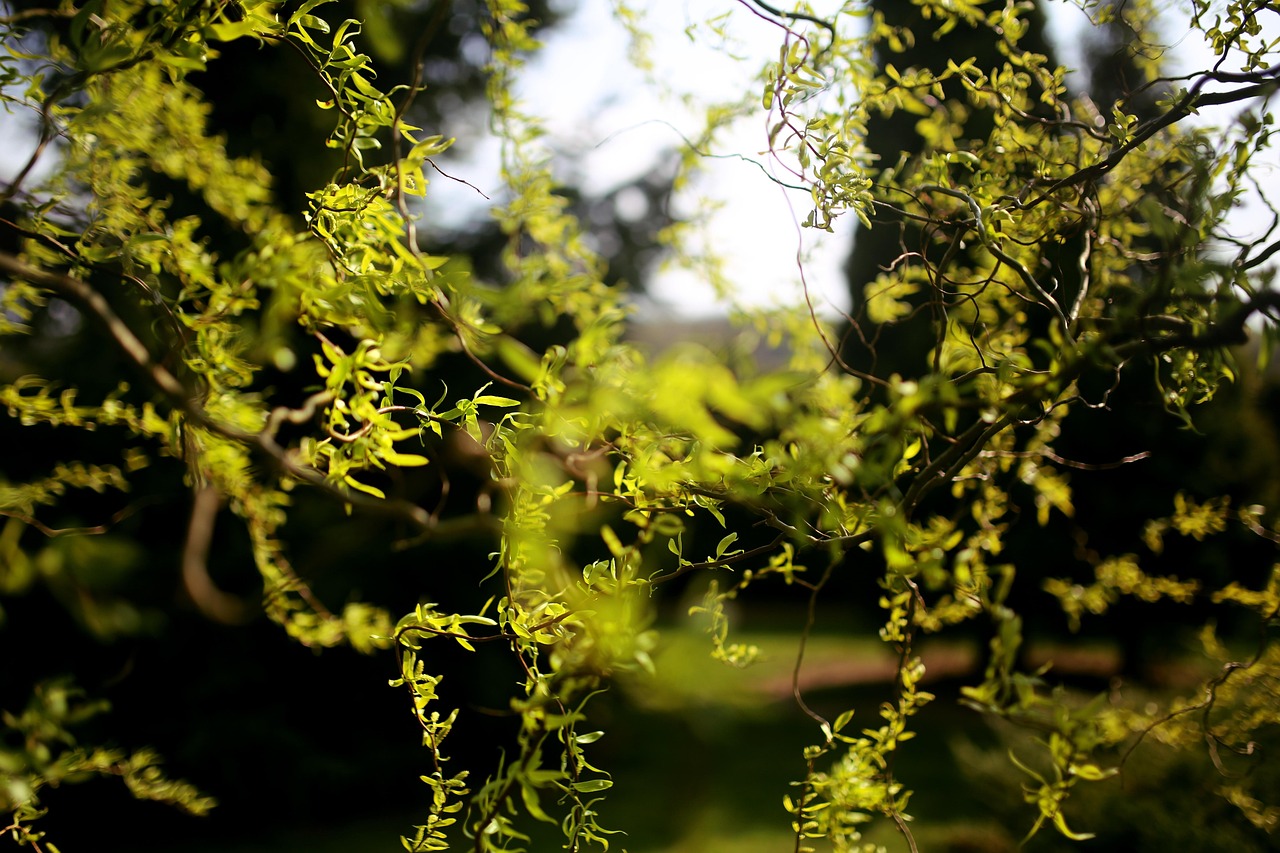

Proper hydration and nutrition are the twin pillars that support the rapid growth and striking form of your corkscrew willow. You will find that while these trees are naturally thirsty, they also respond exceptionally well to a balanced feeding program. It is vital to strike a harmony between providing enough moisture and ensuring the roots have access to essential minerals. By mastering these two elements of care, you can guarantee that your tree remains a healthy and vigorous focal point in your garden.
Understanding the natural habitat of the willow family gives you a clear idea of their fundamental water requirements. In the wild, these trees are often found near riverbanks and wetlands where moisture is always available to their roots. Your garden specimen will share this deep-seated need for consistent hydration, especially during the peak growing months of summer. You should aim to replicate this moisture-rich environment without allowing the soil to become stagnant or foul.
The age and size of your tree will dictate how much water it needs on a daily or weekly basis. A newly planted sapling requires more frequent, shallow watering to help its limited root system establish itself in the new soil. As the tree matures and its roots reach deeper into the earth, it can transition to less frequent but much deeper soakings. Larger trees act like massive pumps, moving hundreds of liters of water through their systems during a single hot day.
Environmental factors like wind, temperature, and humidity will also influence your watering schedule throughout the year. On windy days, the leaves lose moisture much faster through transpiration, which can lead to wilting if the roots cannot keep up. You should adjust your irrigation based on the actual conditions in your garden rather than strictly following a calendar. Paying attention to the weather forecast allows you to prepare for upcoming heatwaves by pre-hydrating the soil.
Establishing an effective irrigation routine
The best way to water your willow is to use a slow-soaking method that allows moisture to penetrate deep into the root zone. A soaker hose or a drip irrigation system is ideal because it delivers water directly to the ground where it is needed. This approach reduces evaporation and keeps the foliage dry, which helps prevent the spread of fungal diseases. You should run the system long enough to moisten the soil to a depth of at least thirty centimeters.
More articles on this topic
Watering in the early morning is widely considered the most efficient and beneficial time for the health of the tree. During these cool hours, the water has time to soak into the earth before the heat of the sun causes significant evaporation. This early drink prepares the tree for the stress of the day and ensures that moisture is available when photosynthesis is at its peak. Avoid late evening watering if possible, as wet soil overnight can sometimes encourage unwanted soil pathogens.
During extended periods of drought, you must be extra vigilant about the health of your corkscrew willow. If you notice the leaves beginning to curl more than usual or turning a dull grey-green, the tree is likely in distress. You should provide a massive, deep soaking immediately and consider applying a fresh layer of mulch to conserve what moisture remains. Even a well-established tree can suffer permanent damage or branch dieback if left without water for too long in a crisis.
Using a moisture meter can take the guesswork out of your routine and prevent the common mistake of overwatering. These simple tools allow you to check the hydration levels at different depths and locations around the tree’s root system. You might find that one side of the tree is drying out faster due to sun exposure or competition from other plants. This targeted information allows you to water more precisely and save resources while keeping your tree perfectly hydrated.
Nutrient requirements for vigorous growth
While willows are not overly demanding, a regular fertilization program will enhance their color and structural strength. You should look for a balanced, slow-release fertilizer that provides a steady stream of nutrients over several months. A typical 10-10-10 or 20-20-20 NPK formula is usually sufficient to meet the needs of most garden specimens. Applying these nutrients in the early spring just as the buds begin to swell will yield the best results for the coming season.
More articles on this topic
Nitrogen is the most important element for the lush, green foliage that defines a healthy willow tree. It fuels the rapid production of leaves and stems, allowing the tree to maintain its dense and attractive canopy. However, you should be careful not to over-apply nitrogen, as it can lead to weak, spindly growth that is more prone to breaking. Balancing nitrogen with phosphorus and potassium ensures that the roots and wood remain as strong as the leaves.
Phosphorus and potassium play supporting roles that are essential for the long-term resilience of the corkscrew willow. Phosphorus encourages a robust root system that can anchor the tree firmly in the ground and find distant water sources. Potassium helps regulate the tree’s internal functions and improves its ability to withstand environmental stresses like cold or drought. Including these elements in your fertilization plan creates a well-rounded and hardy plant that can handle life’s challenges.
Organic amendments like compost or aged manure are excellent alternatives or supplements to synthetic fertilizers. These materials improve the soil structure while providing a wide array of trace minerals that might be missing from standard formulas. You can spread a layer of compost over the root zone each spring and let the rain wash the nutrients down to the roots. This natural approach supports the long-term health of the soil biology as much as it supports the tree itself.
Professional fertilization techniques
When applying fertilizer, it is important to spread it evenly across the entire area where the roots are growing. This “drip line” usually extends from the trunk out to the furthest reach of the branches and sometimes even further. You should avoid piling fertilizer near the base of the trunk, as this can cause chemical burns to the sensitive bark. Instead, use a broadcast spreader or hand-apply the granules in a wide, circular pattern around the tree.
Watering the fertilizer into the soil immediately after application is a crucial step that many gardeners overlook. This helps to dissolve the granules and move the nutrients down to where the roots can actually absorb them. If you leave fertilizer sitting on the surface, it can be washed away by heavy rain or lose its potency in the sun. A thorough watering also prevents the concentrated salts in the fertilizer from damaging the surface roots of the willow.
You should avoid fertilizing your tree late in the summer or early in the autumn, regardless of how it looks. Late-season feeding can stimulate a flush of new growth that won’t have enough time to harden off before the first frost. This tender wood is almost certain to be killed by winter temperatures, which can leave the tree vulnerable to disease in the spring. Stopping all fertilization by mid-July is a safe rule to follow for most temperate climates.
Monitoring the tree’s reaction to your feeding program is the best way to refine your approach over time. If the growth is too aggressive and the branches are becoming unmanageable, you might want to skip a year or reduce the amount. Conversely, if the leaves remain small and pale despite adequate water, a slightly heavier application might be necessary. Every tree and soil type is different, so your powers of observation are your most valuable tools.
Managing soil health for long term success
The relationship between soil health, water retention, and nutrient availability is complex and requires ongoing attention. Over time, the aggressive roots of a willow can deplete the local soil of specific minerals or organic matter. You should consider adding a layer of fresh mulch every year to replace what has decomposed and returned to the earth. This cycle of decay and renewal mimics the natural forest floor and keeps the soil ecosystem thriving.
If your soil is particularly heavy or compacted, you might find that water and nutrients are not reaching the deeper roots. Core aeration around the drip line can help open up the soil and allow for better penetration of both air and moisture. This process involves removing small plugs of earth to create channels for life-giving resources to move more freely. It is a simple mechanical solution that can significantly improve the performance of a struggling tree.
Testing your soil every three to five years is a professional practice that provides a clear roadmap for your care plan. A laboratory test will reveal the exact pH of your soil and identify any major nutrient deficiencies or toxicities. Armed with this data, you can choose a fertilizer that targets your specific needs rather than using a generic product. This precision saves you money and prevents the environmental issues associated with over-fertilization.
Finally, remember that the health of your willow is a reflection of the environment you create for it. By providing consistent water and thoughtful nutrition, you are giving the tree everything it needs to be the star of your garden. The effort you put into these basic tasks will be rewarded with a magnificent, twisting specimen that brings joy to everyone who sees it. Caring for a tree is a long-term commitment that yields some of nature’s most beautiful results.

