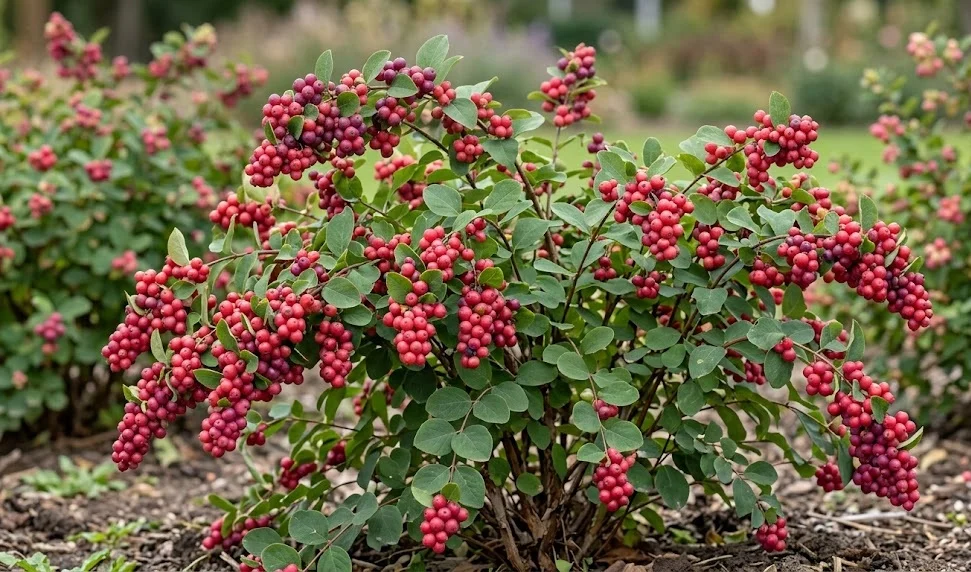

Maintaining the health of your landscape depends heavily on a structured approach to providing both moisture and essential nutrients. The coralberry is a resilient species that can adapt to many conditions, but its growth and beauty are greatly enhanced by professional care. Water and fertilizer work together to build the internal structures of the plant and support its seasonal transitions. By understanding the underlying principles of hydration and nutrition, you can ensure that your shrubs remain a highlight of your garden for decades.
Proper hydration is the most fundamental requirement for any living organism, and the coralberry is no exception to this rule. While it is known for being drought-tolerant once established, young plants need a steady supply of water to develop their roots. During the first two years of its life, you should make sure the soil remains consistently moist but never soggy. This balance allows the roots to grow deep into the earth where they can find water during the drier summer months.
The frequency of watering will naturally change as the plant matures and the weather patterns shift throughout the year. In the heat of the summer, the rate of evaporation increases, and the plant may lose water faster than it can take it up. You should monitor the soil moisture by feeling the top few inches of earth with your fingers before deciding to water. If the soil feels dry to the touch, it is time to give the shrub a deep, thorough soaking that reaches the entire root zone.
Using the right equipment and techniques for watering can save time and resources while improving the health of your plants. Drip irrigation and soaker hoses are highly recommended because they deliver water slowly and directly to the ground. This method minimizes water waste from runoff and prevents the leaves from getting wet, which is important for disease prevention. If you use a manual hose, always aim for the base of the plant and avoid splashing soil onto the lower leaves.
Nutrient requirements and fertilization timing
Fertilization is the process of supplementing the natural nutrients in the soil to help the plant reach its full genetic potential. Most coralberries do not require heavy feeding, but a well-timed application of fertilizer can boost growth and berry production. The best time to apply nutrients is in the early spring just as the new growth begins to emerge from the buds. This provides the plant with the energy it needs for the most active phase of its annual growth cycle.
More articles on this topic
Choosing the right type of fertilizer is essential for achieving the specific results you want in your landscape. A balanced, slow-release fertilizer with an N-P-K ratio like 10-10-10 is usually sufficient for general maintenance and health. Nitrogen supports leaf and stem growth, while phosphorus is crucial for root development and the production of flowers and berries. Potassium helps with overall plant vigor and the ability to withstand environmental stresses like cold or drought.
It is important to avoid over-fertilizing, as this can lead to a variety of problems that are difficult to correct once they occur. Too much nitrogen can cause the plant to produce lush, soft growth that is more attractive to pests and susceptible to disease. It can also reduce the number of berries produced, as the plant focuses all its energy on creating leaves instead of reproductive structures. Always follow the manufacturer’s instructions on the packaging and err on the side of caution when applying any chemical nutrients.
Organic fertilizers, such as composted manure or specialized organic blends, are excellent alternatives to synthetic products. These materials break down slowly over time, providing a steady supply of nutrients and improving the overall health of the soil biology. They also help increase the soil’s ability to hold onto moisture, which reduces the frequency of watering needed. Many professional gardeners prefer organic methods because they support a more sustainable and resilient garden ecosystem in the long run.
Managing water stress and environmental factors
Environmental factors like wind, temperature, and sun exposure all play a role in how much water your coralberry will need. Plants located in windy areas will lose moisture through their leaves much faster than those in sheltered spots. Similarly, a shrub planted in full sun will require more frequent watering than one growing in the partial shade. You should adjust your watering schedule to account for these variables to prevent the plant from experiencing chronic water stress.
More articles on this topic
Recognizing the signs of water stress early is a key skill for any professional horticulturalist or gardener. When a plant is not getting enough water, the leaves may start to droop, lose their shine, or turn brown at the edges. If the problem persists, the plant may drop its leaves or berries prematurely as a survival mechanism to conserve internal resources. Providing a deep watering as soon as you notice these signs can often help the plant recover quickly.
Over-watering can be just as damaging as drought, especially if the soil does not have adequate drainage to allow excess water to escape. When roots sit in waterlogged soil, they are unable to access oxygen, which leads to a condition known as root rot. The symptoms of over-watering often look similar to drought, including yellowing leaves and wilting, which can be confusing for beginners. Always check the moisture level of the soil before adding more water to ensure that it is actually needed.
During the autumn and winter, the plant’s water needs decrease significantly as it enters its dormant phase. However, you should not stop watering entirely until the ground freezes for the season, especially if the weather is unusually dry. Evergreen shrubs and even deciduous ones like the coralberry still lose some moisture during the winter through their stems and remaining leaves. A final deep watering in the late autumn will help the plant survive the cold months with less stress on its internal systems.
Soil amendments and long-term nutrition
Building healthy soil is a long-term project that involves more than just throwing a few handfuls of fertilizer on the ground each year. Adding organic matter like leaf mold, compost, or peat moss improves the soil structure and nutrient-holding capacity over time. These amendments encourage the growth of beneficial fungi and bacteria that help the plant roots absorb minerals more efficiently. A soil that is rich in life will naturally support a healthier and more productive coralberry shrub.
Mulching is one of the most effective ways to combine moisture retention with long-term nutritional support for your plants. As organic mulches like wood chips or shredded bark decompose, they release small amounts of nutrients back into the soil. This natural process mimics the floor of a forest, where falling leaves provide a constant cycle of renewal for the plants above. Maintaining a two-to-three-inch layer of mulch around your shrubs is a professional standard that pays off in many ways.
For plants that are struggling or growing in particularly poor soil, foliar feeding can provide a quick boost of essential micronutrients. This involves spraying a liquid fertilizer directly onto the leaves, where it can be absorbed much faster than through the roots. While this is not a substitute for a good soil-based program, it can be a useful tool for correcting specific deficiencies. Always perform foliar feeding in the early morning or evening to avoid burning the leaves in the hot sun.
Regular soil testing should be a part of your long-term maintenance strategy to ensure you are not over-applying certain nutrients. A professional soil test will tell you exactly what is missing and what you have in abundance, allowing for a more targeted approach. This precision not only helps your plants grow better but also protects the local environment from the negative effects of nutrient leaching. Staying informed about the state of your soil is the best way to be a responsible and successful gardener.