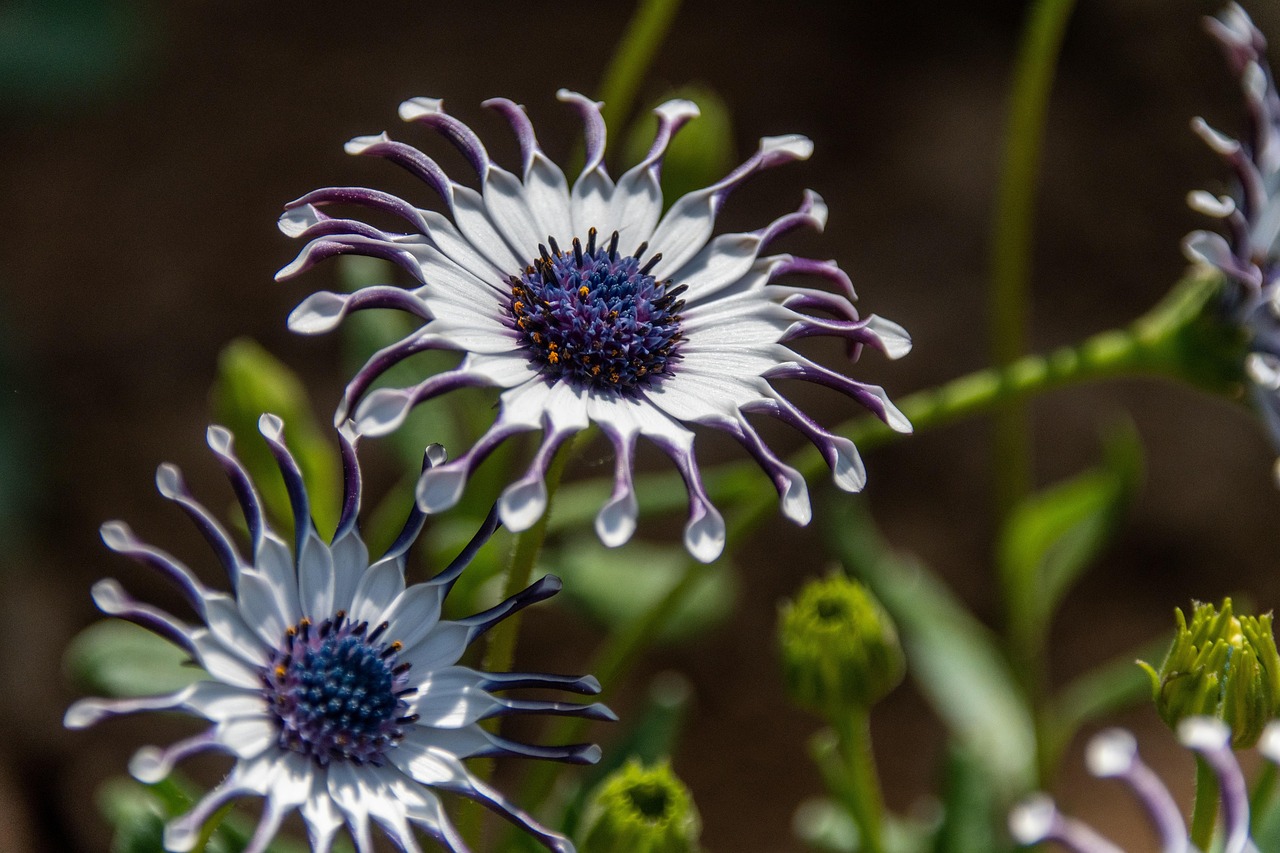

Mastering the balance of hydration and nutrition is fundamental to achieving a professional-grade display of cape daisies in any garden setting. These plants possess a unique physiology that allows them to tolerate periods of drought, yet they perform best when provided with consistent resources. Understanding how water moves through the soil and how nutrients are absorbed by the roots will transform your gardening results. By adopting a scientific yet intuitive approach to these tasks, you can ensure that your plants remain healthy, vibrant, and resilient throughout the entire growing season.
The primary rule of watering cape daisies is to focus on the root zone while keeping the foliage as dry as possible. Water that sits on the leaves for extended periods can create an environment conducive to fungal growth and other pathogens. You should aim to water early in the morning so that any accidental moisture on the stems can evaporate quickly in the sun. This timing also ensures that the plant has a full reservoir of hydration to draw from during the heat of the day.
Soil moisture should be monitored by physical inspection rather than relying solely on a fixed schedule or a calendar. You can use your finger to check the soil about two or three centimeters below the surface to see if it feels dry. If the soil is still moist, it is usually better to wait another day before adding more water to avoid over-saturation. Cape daisies are prone to root rot if they are forced to grow in oxygen-deprived, waterlogged conditions for too long.
Deep, infrequent watering is much more beneficial for the plant than frequent, shallow sprinkles that only wet the surface. When you apply water, do so until it has thoroughly penetrated the soil profile to a depth of at least fifteen centimeters. This technique encourages the roots to grow deeper into the earth where temperatures are more stable and moisture is more reliable. A robust, deep root system is the plant’s best defense against the stresses of a hot, dry summer.
Optimizing the hydration cycle
During the peak of the summer, your watering strategy may need to become more aggressive to keep up with high transpiration rates. If the temperatures exceed thirty degrees Celsius for several days, the plants will lose water much faster than they can replace it. You might notice the stems becoming slightly soft or the flowers drooping as a sign of temporary dehydration stress. In these cases, a late afternoon deep watering can help the plant recover its structural integrity before nightfall.
More articles on this topic
For plants grown in containers, the watering requirements are significantly higher due to the limited volume of the substrate. Pots can dry out completely within a single day if they are exposed to full sun and drying winds. You should check your containers at least once a day, and possibly twice during extreme heatwaves, to prevent the soil from shrinking away from the pot edges. Once the soil becomes hydrophobic and difficult to re-wet, you may need to soak the entire pot in a basin of water.
Mulching is an essential tool for managing the hydration cycle of your garden beds and large planters. A thick layer of wood chips, straw, or cocoa shells acts as an insulating blanket that slows down the evaporation of water from the soil. This keeps the root zone significantly cooler, which is a major advantage for species that naturally prefer temperate conditions. Additionally, mulch prevents the soil surface from crusting over, which allows future water applications to penetrate the earth more easily.
Understanding the water quality in your area can also have an impact on the long-term health of your cape daisies. If your tap water is exceptionally hard or contains high levels of chlorine, it can lead to a buildup of salts in the soil over time. This salt accumulation can interfere with the plant’s ability to absorb water and can eventually lead to leaf burn. Rainwater collection is often the best solution for providing your garden with pure, slightly acidic water that plants truly love.
Nutrient requirements for peak performance
Providing the right nutrients at the right time is the key to unlocking the spectacular floral potential of the cape daisy. These plants are relatively heavy feeders during their active growth and blooming phases in the spring and autumn. You should start the season by incorporating a slow-release granular fertilizer into the soil around the base of the plants. This provides a steady baseline of essential elements like nitrogen, phosphorus, and potassium over several months.
More articles on this topic
Nitrogen is responsible for the lush, green growth of the foliage, but too much of it can actually inhibit flower production. If you notice your plants are becoming huge and leafy but have very few buds, you may be over-applying nitrogen-heavy fertilizers. Phosphorus is the element that primarily supports root development and the formation of large, vibrant flower heads. A fertilizer with a slightly higher middle number in its N-P-K ratio is usually the best choice for flowering perennials.
Potassium plays a vital role in the overall health and disease resistance of the plant by regulating internal physiological processes. It helps the plant manage its water use more efficiently and strengthens the cell walls against environmental stressors. Including a source of potassium in your feeding routine will result in sturdier stems that can better support the weight of the flowers. Many organic sources, such as seaweed extract, are excellent for providing a wide range of micronutrients alongside the primary elements.
Fertilization should be adjusted based on the growth stage and the visible health of the individual plants. If a plant looks stunted or has pale leaves despite adequate light and water, it may be signaling a nutrient deficiency. However, it is always better to under-fertilize than to over-fertilize, as excess chemicals can burn the delicate root tips. Always apply fertilizers to moist soil to prevent chemical shock and ensure the nutrients are immediately available for uptake.
Seasonal feeding strategies
As the spring growing season begins, your feeding routine should focus on establishing a strong frame and healthy root system. This is the time to use a balanced fertilizer that supports all aspects of the plant’s biological development. Regular applications every two to four weeks will help the plant build the energy reserves it needs for the upcoming blooming cycle. Watch for the first signs of flower buds as a signal to transition to a more bloom-focused nutritional plan.
During the height of summer, when many daisies take a brief break from flowering, you should reduce the frequency of fertilization. Forcing a plant to grow rapidly during extreme heat can cause unnecessary stress and lead to weak, spindly stems. Instead, focus on maintaining hydration and protecting the plant from environmental damage until the temperatures begin to cool. This rest period allows the plant to consolidate its resources for the second major flush of flowers in the autumn.
The arrival of cooler late-summer evenings often triggers a renewed period of activity and flower production in the cape daisy. This is the perfect time to re-introduce a liquid fertilizer specifically formulated for blooming plants to boost the final show of the year. The extra nutrients will help the flowers maintain their size and color intensity even as the days grow shorter. Continue this support until the first light frosts indicate that the plant is moving toward its winter dormancy.
If you are growing your daisies as perennials in a suitable climate, a final application of compost in the late autumn can be beneficial. This organic matter will break down slowly over the winter, enriching the soil for the following spring. Avoid using high-nitrogen fertilizers late in the season, as this can stimulate soft growth that is easily damaged by the cold. A thoughtful, seasonally adjusted feeding plan ensures that your daisies remain a highlight of your garden year after year.
Avoiding common fertilization mistakes
One of the most frequent errors in garden care is applying fertilizer to dry soil, which can lead to immediate root damage. The concentrated chemicals can draw moisture out of the roots, causing a phenomenon known as fertilizer burn. Always ensure the soil is thoroughly hydrated before you apply any liquid or granular products to your plants. This simple precaution creates a buffer that allows the nutrients to be absorbed safely and effectively by the root system.
Over-reliance on synthetic fertilizers can sometimes lead to a decline in the natural health and structure of your garden soil. These products often provide the primary nutrients but lack the organic matter and microbes that a healthy ecosystem requires. Integrating organic fertilizers like compost tea, fish emulsion, or well-rotted manure helps to build a more resilient soil environment. A biodiverse soil can hold onto moisture and nutrients much more effectively than a sterile, chemically-treated substrate.
Ignoring the pH level of your soil can make even the best fertilization plan completely ineffective for your daisies. If the soil is too alkaline, certain nutrients like iron and manganese become chemically locked and unavailable to the plant. You may see the leaves turning yellow while the veins stay green, which is a classic sign of iron chlorosis. Periodically checking and adjusting the soil pH with sulfur or lime ensures that the nutrients you apply can actually be used.
Finally, always follow the manufacturer’s instructions on the fertilizer packaging to avoid the dangers of over-application. It is a common misconception that “more is better” when it comes to plant food, but the opposite is often true in horticulture. Excessive nutrients can leach into the groundwater, harming the local environment and wasting your time and money. A professional approach involves being precise with your measurements and observing the plant’s reactions to your care.