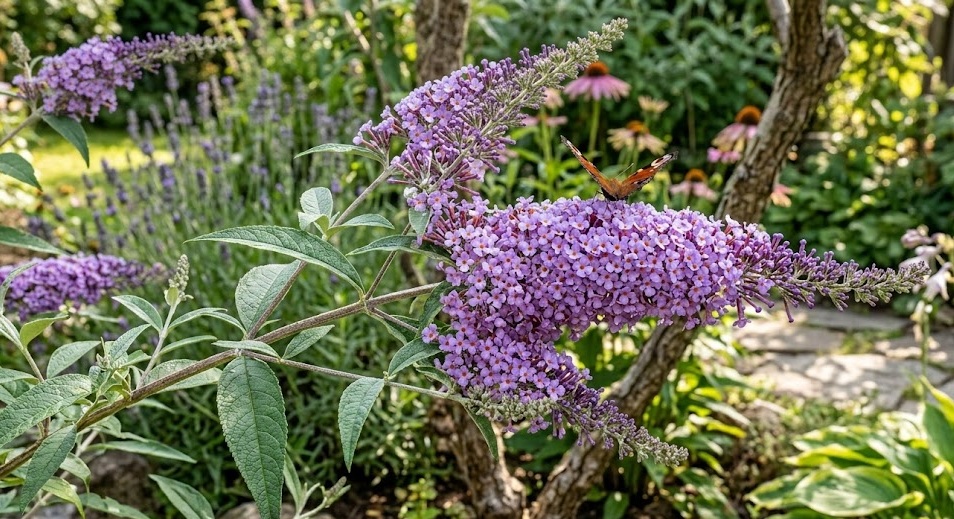

The vitality and flowering potential of your butterfly bush are directly influenced by how you manage its core resources: water and nutrients. While these plants are known for their ruggedness, a professional approach to irrigation and feeding can transform a standard shrub into a spectacular garden centerpiece. Understanding the timing and methods for these tasks ensures that the plant remains healthy without becoming overly dependent on artificial intervention. A balanced strategy promotes strong root systems, lush foliage, and an abundance of fragrant flower spikes throughout the season.
Irrigation for established plants
Once your butterfly bush has settled into its location, its water requirements become more manageable but no less important. These shrubs are famously drought-tolerant, meaning they can survive periods without rain better than many other garden perennials. However, survival is different from thriving, and consistent moisture is needed for the best floral display. You should aim to provide a deep watering once a week during the heat of summer if the rainfall is insufficient.
The method of delivery is just as important as the amount of water you provide to the plant. It is always better to water deeply and less frequently rather than providing shallow, daily sprinkles that only dampen the surface. Deep watering encourages the roots to grow further down into the soil, which makes the plant more resilient during long dry spells. You should apply the water directly to the soil at the base of the plant to keep the foliage as dry as possible.
Monitoring the soil moisture manually is the most reliable way to determine when your plant needs a drink. You can simply stick your finger a few inches into the ground; if it feels dry at that depth, it is time to irrigate. During the cooler months of spring and autumn, the plant will naturally require less frequent watering as evaporation rates decrease. Being mindful of these seasonal shifts prevents the common mistake of overwatering, which can lead to root rot and other moisture-related diseases.
The type of soil in your garden will also dictate how you manage your irrigation schedule over time. Sandy soils drain very quickly and may require more frequent attention to keep the plant from wilting during a heatwave. Clay-based soils, on the other hand, hold onto moisture for much longer and can become dangerously waterlogged if you are not careful. Adjusting your professional care routine to match your specific site conditions is the hallmark of a successful and observant gardener.
More articles on this topic
Nutrient management and fertilizer types
Providing the right nutrients at the right time is essential for supporting the rapid growth of a butterfly bush. These plants are “heavy feeders” in the sense that they grow quickly, but they do not require high-potency chemical fertilizers to perform well. In fact, too much nitrogen can lead to excessive green growth at the expense of the flowers you want to see. A balanced, slow-release approach is usually the most effective way to manage the plant’s nutritional needs.
Organic fertilizers, such as well-rotted compost or manure, are excellent choices for maintaining long-term soil health. These materials break down slowly over several months, providing a steady stream of nutrients while also improving the soil structure. You can apply a layer of compost around the base of the shrub in early spring just as the new growth begins to emerge. This annual “top-dressing” mimics the natural nutrient cycle found in the wild and keeps the soil biology active.
If you prefer using granular commercial fertilizers, look for a balanced formula like a 10-10-10 or one specifically designed for flowering shrubs. These products are easy to apply and provide a predictable amount of nitrogen, phosphorus, and potassium to the plant. Always follow the manufacturer’s instructions regarding the quantity to avoid “burning” the roots with concentrated salts. It is a good idea to water the area thoroughly after applying granular fertilizer to help it move into the root zone.
The timing of your fertilization efforts can make a significant difference in how the plant responds throughout the year. The primary feeding should occur in the spring to support the initial burst of foliage and stem development. You can provide a second, lighter application in early summer to help sustain the flowering process if the plant seems to be slowing down. You should avoid any fertilization in late summer or autumn, as this can stimulate tender growth that will be killed by the first frost.
More articles on this topic
Signs of hydration and nutritional stress
Learning to read the visual cues of your butterfly bush will help you identify problems before they become severe. When a plant is thirsty, the most obvious sign is wilting or drooping leaves, especially during the hottest part of the afternoon. However, you should check the plant again in the evening; if it has perked up on its own, it may just be reacting to the heat rather than a lack of soil moisture. Persistent wilting even in the cool of the morning is a clear signal that the plant needs immediate irrigation.
Nutritional deficiencies often show up as discolorations in the leaves that follow specific patterns. For example, a lack of nitrogen typically causes the older leaves at the bottom of the plant to turn a pale yellow. On the other hand, an iron deficiency often manifests as yellowing between the green veins of the newest leaves, a condition known as chlorosis. Identifying these patterns allows you to make targeted adjustments to your fertilization strategy rather than guessing what the plant might need.
Over-fertilization can be just as damaging as a lack of nutrients, and it often produces distinctive symptoms of its own. If you notice that the edges of the leaves are turning brown or appearing “scorched,” you may have applied too much fertilizer at once. This happens when excess salts in the soil draw moisture out of the roots, effectively dehydrating the plant from the inside. If this occurs, flushing the soil with a large amount of water can help wash away the excess minerals and save the plant.
Consistent observation is the key to maintaining a professional standard of care in your garden. By spending a few minutes each week inspecting the foliage and checking the soil, you can catch minor issues before they impact the plant’s health. A butterfly bush that receives exactly what it needs—and nothing more—will always look more vibrant and natural. This attentive approach reduces the need for emergency interventions and allows you to enjoy the beauty of the shrub throughout its entire lifecycle.
The role of mulch in resource management
Mulching is one of the most effective professional tools for managing both water and nutrients in a garden setting. A thick layer of organic mulch, such as wood chips or shredded bark, acts as a protective barrier for the soil surface. It significantly reduces the rate of evaporation, meaning you won’t have to water your butterfly bush nearly as often. This is especially beneficial during the peak of summer when the sun is most intense and moisture loss is at its highest.
In addition to moisture retention, mulch helps to regulate the temperature of the soil around the roots. In the summer, it keeps the ground cooler, which prevents heat stress from damaging the sensitive feeder roots near the surface. In the winter, it provides a layer of insulation that protects the crown of the plant from extreme temperature fluctuations. This steady environment allows the plant to focus its energy on growth and flowering rather than constantly recovering from environmental shocks.
As organic mulch breaks down over time, it gradually incorporates itself into the soil, acting as a slow-release fertilizer. This natural decomposition improves the texture of the soil, making it more porous and better able to hold onto both water and oxygen. You should aim to maintain a mulch layer that is about two to three inches deep for the best results. However, always remember to keep the mulch from directly touching the stem of the bush to avoid trapping moisture against the bark.
Using mulch also serves the practical purpose of suppressing weeds that would otherwise compete with your shrub for resources. A clean, weed-free zone around the base of the butterfly bush ensures that every drop of water and every bit of fertilizer goes toward the plant you want to grow. This not only makes your garden look more professional and well-maintained but also reduces the amount of physical labor you have to perform. Investing in a good mulching routine pays dividends in the form of a healthier, more productive butterfly bush.
Adjusting for local climate and weather
A professional gardener knows that a standard care routine must always be adapted to the specific weather conditions of the season. No two years are exactly alike, and your watering and fertilization should reflect the reality of the environment. In an exceptionally rainy spring, you might find that you don’t need to provide any supplemental water at all for several months. Conversely, a particularly dry winter can leave the soil depleted of moisture, requiring you to water the plant even before the growing season officially begins.
Humidity levels also play a role in how the plant utilizes the water you provide through irrigation. In very humid climates, the plant loses less moisture through its leaves, which can make it more prone to overwatering issues. In arid regions, the dry air can strip moisture from the plant at an incredible rate, making consistent watering a daily necessity. Being aware of these atmospheric factors helps you fine-tune your approach and prevent the plant from becoming stressed by its surroundings.
Wind is another environmental factor that is often overlooked when calculating the water needs of a large shrub like the butterfly bush. Strong, persistent winds can have a drying effect on the foliage, essentially pulling water out of the plant through transpiration. If your garden is in an exposed or coastal area, you may need to increase your irrigation frequency to compensate for this constant moisture loss. Providing a windbreak or choosing a more sheltered location can help mitigate this issue and keep the plant healthy.
Finally, keep a close eye on the long-term weather forecasts to anticipate heatwaves or cold snaps that might require a change in care. Pre-watering your butterfly bush before a predicted period of extreme heat can give it a “buffer” of moisture to draw from during the peak stress. Likewise, making sure the plant is well-hydrated before the ground freezes in the winter helps prevent winter desiccation. This proactive mindset is what separates a professional landscape manager from a casual hobbyist, ensuring your garden remains a success regardless of the weather.