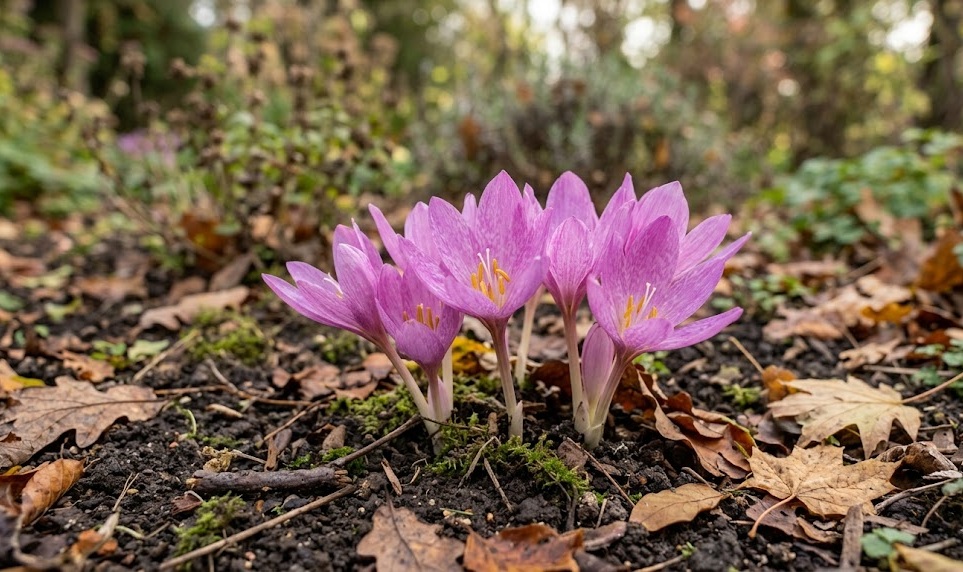

Proper moisture management and nutrient delivery are the foundations of a successful cultivation strategy for the anatolian saffron. This plant has very specific needs that change dramatically as it transitions through the different phases of its annual life cycle. You must learn to read the signs of the plant and the soil to determine when intervention is necessary and when it is best to step back. A professional approach to irrigation and feeding will result in larger corms and a more impressive display of autumn blooms.
During the active growing phases, the anatolian saffron requires a consistent supply of water to support its metabolic processes. You should aim to keep the soil moist but never saturated, as excess water is the primary cause of corm failure. The roots are designed to seek out moisture in the upper layers of the soil, making them sensitive to both extreme drought and flooding. Balancing these two extremes is the most challenging part of caring for this species in a garden setting.
Fertilization is equally important, but it must be timed correctly to provide the most benefit to the plant. You should focus your feeding efforts on the periods when the plant is actively building its energy reserves for the future. Providing the right minerals at the right time ensures that the corm remains healthy and capable of producing multiple flower stalks. A well-fed plant is also much more resilient to the stresses of pests, diseases, and extreme weather events.
In many ways, the watering and feeding routine for the anatolian saffron is a “behind the scenes” task that pays dividends months later. You might not see immediate results from your efforts, but the cumulative effect over several seasons is undeniable. A professional gardener understands that today’s watering and feeding are the direct causes of next year’s spectacular floral performance. By following a disciplined schedule, you can unlock the full potential of this beautiful and unique autumn-flowering bulb.
Irrigation strategies during active growth
The most critical time for watering is in the spring when the large, green leaves are actively growing and photosynthesizing. This is the period when the plant is drinking heavily to support the rapid expansion of its foliage and the storage of starch in the corm. You should monitor the rainfall during the months of March, April, and May to ensure the soil doesn’t dry out completely. If a spring dry spell occurs, supplemental watering is absolutely necessary to prevent the leaves from withering prematurely.
More articles on this topic
When you do water, it is best to apply a deep soaking rather than frequent, light sprinkles that only wet the surface. Deep watering encourages the roots to grow further into the soil, which makes the plant more drought-tolerant in the long run. You should use a watering can or a low-pressure hose to apply the water directly to the base of the foliage. Avoid getting too much water on the leaves themselves, as this can create an environment conducive to fungal leaf spot diseases.
As the leaves begin to yellow in late spring, you should gradually reduce the frequency of your irrigation to match the plant’s slowing metabolism. This transition period is vital for allowing the corm to enter its summer dormancy in a healthy, firm condition. You must be careful not to keep the ground too wet during this phase, as the plant is no longer actively using the water. Proper observation of the foliage color will tell you exactly when it is time to start cutting back on your watering routine.
In the autumn, when the flower shoots begin to emerge, a light increase in soil moisture can help the blooms develop fully. You should ensure the soil is not “baked hard,” which can make it difficult for the delicate flower tubes to push through to the surface. A single deep watering at the very start of the flowering season is often enough to trigger a uniform and healthy emergence of blooms. After the flowers have faded, the plant enters its winter rest, and additional watering is rarely needed unless the winter is exceptionally dry.
Management of moisture during summer dormancy
Summer dormancy is a unique period for the anatolian saffron where it appears to be doing nothing, but internal changes are constant. In its native habitat, the summer is often hot and dry, and the plant has evolved to survive these harsh conditions underground. You should respect this natural adaptation by keeping the planting site relatively dry during the months of June, July, and August. Excessive watering during the summer is the most common mistake made by gardeners who are used to tending to thirsty summer perennials.
More articles on this topic
If you have planted your saffron among other garden plants that require regular summer water, you must be very careful. You should try to group the saffron with other “dry-loving” species to ensure that the moisture levels remain appropriate for everyone. If the soil remains constantly wet during the summer, the dormant corms are at a very high risk of developing various types of rot. This can lead to the total loss of your colony before the autumn flowers even have a chance to appear.
Professional gardeners often use a “dry mulch” strategy during the summer to protect the soil without adding unnecessary moisture. A thin layer of gravel or very dry bark can help keep the soil temperature stable while still allowing the ground to breathe. You should avoid using heavy, moisture-retentive mulches like fresh grass clippings or thick layers of wet compost over the dormant corms. The goal is to provide a warm, dry environment that mimics the sun-baked hillsides of the Mediterranean region.
If your region experiences an exceptionally wet summer with frequent heavy rains, you may need to take steps to improve surface drainage. You can lightly hoe the soil surface to break up any crust that might prevent air from reaching the buried corms. In extreme cases, some enthusiasts use temporary covers to divert excess rainwater away from their most prized saffron beds. Managing summer moisture is an exercise in restraint and careful observation of the local weather patterns.
Nutrients and minerals for healthy corms
To produce the best possible flowers, the anatolian saffron needs access to a balanced array of essential plant nutrients. You should focus on providing a fertilizer that is high in potassium and phosphorus rather than one that is overly rich in nitrogen. Nitrogen encourages leafy growth, but too much of it can result in soft, weak corms that are more susceptible to disease. Potassium and phosphorus are the “powerhouse” minerals that support root development and flowering potential.
The best time to apply nutrients is just as the first green leaves appear in the early spring. You should use a slow-release granular fertilizer that will provide a steady supply of minerals throughout the entire vegetative period. Spread the fertilizer evenly over the soil surface and lightly scratch it into the top couple of centimeters. This ensures that the nutrients are positioned where the active spring roots can easily reach them as they grow.
Bone meal is a traditional and very effective organic amendment for all types of bulbous plants, including the anatolian saffron. It provides a long-lasting source of phosphorus that is released slowly over many months, supporting the long-term health of the corm. You can incorporate bone meal into the soil at the time of planting or apply it as a top-dressing every autumn after the flowers have faded. It is a safe and natural way to build up the fertility of your garden soil over time.
You should also consider the role of trace elements like magnesium and iron in the overall health of the plant. If the leaves of your saffron appear pale or yellow during the spring when they should be vibrant green, a deficiency may be present. You can apply a specialized seaweed-based liquid feed once or twice during the spring to provide these vital micronutrients. A professional approach to nutrition involves looking at the whole picture, not just the primary macronutrients.
Developing a fertilization schedule
A consistent fertilization schedule is the best way to ensure that your anatolian saffron colony never runs out of the energy it needs. You should think of the plant’s nutritional needs as a yearly cycle that mirrors its growth phases. By timing your applications correctly, you maximize the benefit to the plant while minimizing the waste of fertilizer. A disciplined schedule also helps you avoid the common mistake of over-fertilizing, which can be just as damaging as under-feeding.
The first major application should happen in the late winter or very early spring, just before the foliage breaks the soil surface. This “pre-growth” feeding ensures that the nutrients are available the moment the roots start to become active. You should use a balanced, general-purpose fertilizer that provides a good baseline for the upcoming season. This early boost is what gives the leaves the strength to grow quickly and start their energy-harvesting work.
The second, and perhaps most important, feeding occurs in the middle of the spring while the leaves are at their peak size. This is the time to apply a high-potassium “flower booster” type of fertilizer to the soil around the plants. This feeding is specifically designed to be stored in the corm for the development of the autumn flower buds. You should always water the fertilizer in well to ensure it moves down into the root zone where it can be absorbed.
After the autumn flowers have finished, some professional gardeners like to apply a light top-dressing of well-rotted compost. This does not provide a sudden burst of nutrients but rather works to improve the soil structure and biological activity over the winter. You should avoid any high-nitrogen fertilizers in the autumn, as this could trigger unseasonal leaf growth that would be damaged by frost. Following this professional schedule ensures that your plants are always well-supported throughout their complex life cycle.
Signs of over and under fertilization
Being able to identify the physical signs of nutritional issues is a key skill for any expert gardener. If your anatolian saffron is under-fertilized, you will likely notice a general decline in the number and size of the flowers over several years. The leaves may appear thin and small, and they might turn yellow earlier in the spring than they should. You should treat these signs as a wake-up call to improve your soil management and feeding routine in the following season.
Conversely, over-fertilization can cause a different set of problems that are often harder to correct. An excess of nitrogen often results in very large, lush leaves that are prone to flopping over and attracting slugs and snails. You might also find that the plant produces a lot of foliage but very few flowers, a condition known as “all leaf and no bloom.” If you suspect you have over-fertilized, you should stop all feeding and flush the soil with plenty of water to remove excess salts.
Burnt leaf tips can sometimes be a sign that the concentration of fertilizer in the soil is too high. This “fertilizer burn” happens when the salts in the fertilizer draw moisture out of the roots, causing stress to the entire plant. You must always follow the manufacturer’s instructions for application rates and never assume that “more is better.” Applying fertilizer to dry soil can also increase the risk of burn, so always ensure the ground is moist before you feed.
A professional approach involves testing your soil every few years to get an accurate picture of what is actually happening underground. A soil test can reveal if you have an imbalance of specific minerals that is affecting your plants’ performance. Instead of guessing what your saffron needs, you will have scientific data to guide your fertilization choices. This level of detail is what separates a casual hobbyist from a truly expert grower of the anatolian saffron.