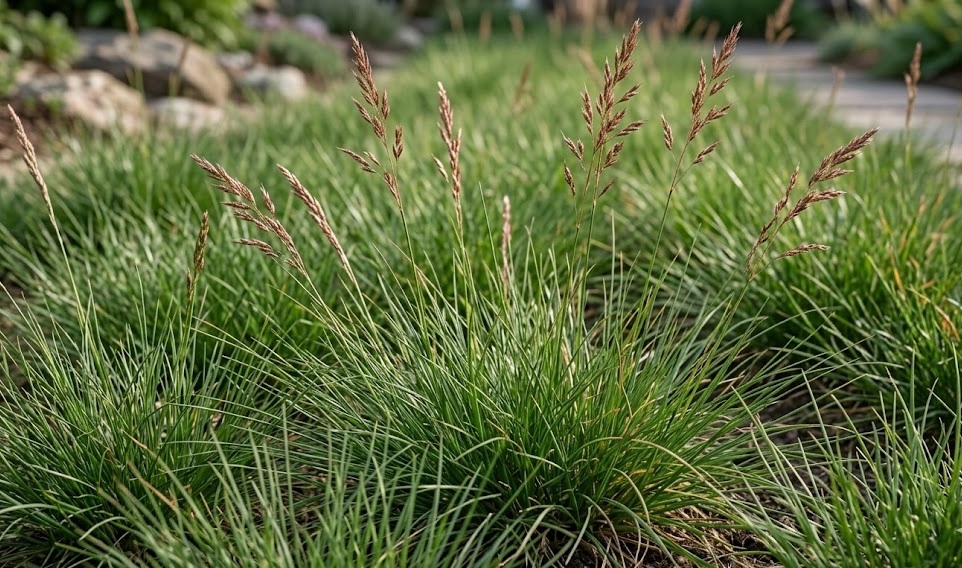

Proper hydration and nutrition are the twin pillars of a healthy and vibrant red fescue lawn. This grass species is known for its efficiency, but it still requires a tailored approach to irrigation and feeding. You must balance the need for growth with the risk of over-saturation or nutrient leaching in the soil. Mastering these two elements will result in a lawn that remains green and resilient throughout the changing seasons.
The goal of watering is to supplement natural rainfall in a way that promotes deep root growth. Red fescue is naturally drought-tolerant, meaning it can survive longer periods without water than many other lawn grasses. However, to maintain a high-quality appearance, a consistent moisture level is necessary during the active growing periods. Understanding the unique water-holding capacity of your soil will help you design the perfect irrigation plan.
Fertilization is about providing the essential elements that the soil might be lacking for optimal plant health. You should avoid the temptation to over-fertilize, as this grass species prefers a leaner nutrient profile. Too much nitrogen can actually lead to excessive top growth at the expense of root strength and disease resistance. A professional approach involves testing the soil and applying only what is necessary for balanced development.
Timing is everything when it comes to both watering and applying fertilizers to your garden. You should coordinate these tasks with the plant’s natural growth cycles and the local weather patterns. Applying products or water at the wrong time can lead to waste, environmental runoff, or even physical damage to the grass. Being mindful of these factors demonstrates a high level of horticultural expertise and responsibility.
Principles of efficient irrigation systems
Efficiency in irrigation means delivering the right amount of water exactly where the plants need it. You should aim for deep, infrequent watering sessions rather than quick, daily sprinkles that only wet the surface. This technique forces the roots to grow deeper into the ground, making the lawn more self-sufficient over time. Aim to deliver about 2.5 centimeters of water per week, including any natural rainfall that occurs.
More articles on this topic
The best time of day to water your red fescue is in the early morning hours before the sun gets too high. This allows the grass blades to dry quickly, which significantly reduces the risk of fungal diseases. Watering in the evening can leave the turf damp overnight, creating the perfect environment for mold and pathogens to thrive. Mid-day watering is often wasteful because much of the moisture evaporates before it can reach the roots.
Automatic irrigation systems should be regularly checked and adjusted to ensure they are performing correctly. You should look for broken heads, clogged nozzles, or areas where the water is overlapping too much or not reaching at all. Using a rain sensor will prevent your system from running when it is not needed, saving water and money. A well-calibrated system is a vital tool for any professional gardener managing a large expanse of turf.
Manual watering can also be effective if you take the time to ensure even coverage across the entire area. You should use a high-quality oscillating or rotary sprinkler that provides a gentle, rain-like spray. Avoid using high-pressure nozzles that can displace soil or damage the delicate fine blades of the fescue. Monitoring the process personally ensures that you are aware of any dry spots that might need extra attention.
Understanding water needs throughout seasons
During the spring, the water needs of red fescue increase as it exits dormancy and begins rapid growth. You should monitor the soil moisture closely, especially if the spring rains are late or insufficient. Providing steady hydration during this phase helps the grass build the energy reserves it will need for the summer. This is the foundation upon which the health of the entire year is built.
More articles on this topic
Summer presents the greatest challenge for moisture management as high temperatures increase evapotranspiration. You should watch for signs of drought stress, such as a bluish-gray tint to the foliage or footprints that remain visible. In extreme heat, red fescue may enter a semi-dormant state to protect itself from drying out. You can choose to either water enough to keep it green or allow it to go dormant until cooler weather returns.
In the autumn, you should continue to provide water as long as the grass is still actively growing. This moisture is essential for the recovery of the lawn after the stresses of the summer heat. Proper hydration in the fall also helps the plants prepare for the upcoming winter freeze by strengthening their cell structures. As temperatures drop, you can gradually reduce the frequency of your irrigation sessions.
Winter watering is rarely necessary in most climates unless there is an extended period of dry, cold wind without snow. If the ground is not frozen and the soil is completely dry, a light watering can prevent the roots from desiccating. However, you must be careful not to create ice sheets that could suffocate the grass blades. Generally, nature provides enough moisture during the dormant months to keep the roots alive until spring.
Macronutrient requirements and fertilizer types
Nitrogen is the most important macronutrient for lawn grass, but red fescue requires much less of it than most. You should look for slow-release nitrogen sources that provide a steady supply of nutrients over several months. Fast-acting fertilizers can cause a surge in growth that weakens the plant’s overall structure and makes it more attractive to pests. Aim for a total of 1 to 2 kilograms of actual nitrogen per 100 square meters per year.
Phosphorus is essential for root development and is particularly important during the establishment of a new lawn. You should check your local regulations, as some areas restrict the use of phosphorus due to water quality concerns. If your soil test indicates a deficiency, a modest application will help the grass develop a strong and deep foundation. For established lawns, the phosphorus requirements are usually quite low and often met by natural soil minerals.
Potassium plays a vital role in the plant’s ability to resist stress, disease, and cold temperatures. You should ensure that your fertilizer contains an adequate amount of this nutrient, especially before the onset of summer or winter. It helps regulate the opening and closing of stomata, which controls the plant’s water loss and gas exchange. A balanced supply of potassium is like an insurance policy for the overall resilience of your turf.
Organic fertilizers, such as composted manure or poultry litter, offer an excellent alternative to synthetic products. These materials improve soil structure and support a healthy ecosystem of beneficial bacteria and fungi. They release their nutrients slowly as they are broken down by soil organisms, reducing the risk of leaching. Many professional gardeners prefer organic options for their long-term benefits to the entire garden environment.
The role of micronutrients in growth
While required in much smaller quantities, micronutrients are just as essential for the metabolic processes of the grass. Iron is often the most critical micronutrient for red fescue, as it helps maintain a deep green color without causing excessive growth. If your lawn looks pale despite adequate nitrogen, an iron supplement might be the solution. You should apply iron cautiously, as over-application can lead to a dark, almost black appearance.
Magnesium and sulfur are also important for the production of chlorophyll and the activation of various plant enzymes. These elements are usually present in the soil but can become depleted over time in heavily managed landscapes. You should monitor for interveinal yellowing, which is a common sign of a magnesium deficiency in many grass species. Including these elements in your soil testing routine ensures that no minor deficiency is holding back your lawn’s potential.
Boron, copper, and zinc are needed in trace amounts to support cell wall strength and reproductive functions. These elements act as catalysts in many chemical reactions within the plant cells. While a deficiency in these is rare, it can lead to stunted growth or poor recovery from physical damage. A high-quality professional fertilizer will usually include a balanced blend of these trace minerals for comprehensive nutrition.
The availability of micronutrients is heavily influenced by the pH level of your soil. If the soil is too alkaline or too acidic, these elements can become “locked” and unavailable to the plant roots. This is why maintaining the correct pH is often more important than adding more minerals to the ground. A professional gardener focuses on creating the right chemical environment for the plant to feed itself naturally.
Best practices for applying soil amendments
The first rule of application is to always follow the instructions on the product label regarding the correct dosage. You should use a calibrated spreader to ensure that the fertilizer is distributed evenly across the entire surface. Over-applying in one area can lead to chemical burns, while under-applying results in patchy and inconsistent growth. Accuracy is the hallmark of a professional approach to soil chemistry and plant health.
You should apply fertilizers when the grass is dry to prevent the granules from sticking to the blades and causing localized damage. After the application, you must water the lawn lightly to wash the nutrients off the foliage and into the root zone. This “watering in” process also activates the fertilizer and begins the process of nutrient release. Skipping this step can lead to wasted products and potential environmental hazards if heavy rain occurs later.
Avoid fertilizing during the heat of the summer when the grass is under stress or in a semi-dormant state. Forcing growth during this period can deplete the plant’s energy reserves and make it more vulnerable to heat damage. The best windows for application are in the late spring and early autumn when growth is naturally active. This alignment with the biological clock of the fescue ensures the most efficient use of resources.
Cleanup is the final, essential step in any fertilization or soil amendment process. You should sweep or blow any granules that landed on hard surfaces, such as driveways or sidewalks, back onto the grass. This prevents the chemicals from being washed into storm drains and contaminating local water systems. Taking this extra minute demonstrates your commitment to being both a professional gardener and a responsible steward of the environment.