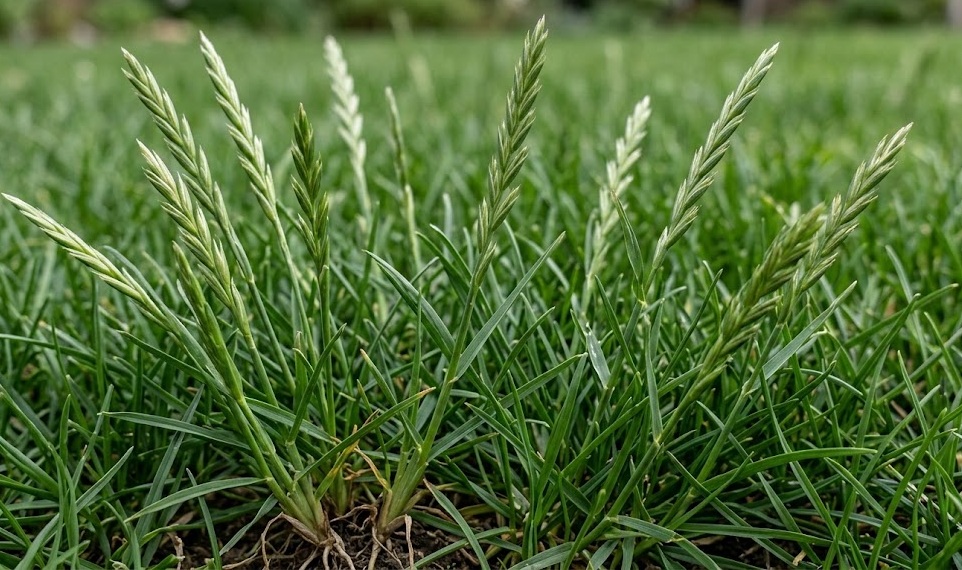

The foundation of a resilient perennial ryegrass lawn lies in a sophisticated approach to hydration and nutrient management. You must recognize that this species has a high demand for both water and minerals to maintain its signature deep green color and rapid growth rate. Failing to meet these needs can quickly lead to thinning turf and an increased susceptibility to environmental stressors like heat and disease. By establishing a professional watering and feeding schedule, you create a stable environment where the grass can truly flourish.
Understanding the specific water requirements of your lawn is the first step toward effective management. You should aim to provide enough water to soak the soil to a depth of about fifteen centimeters, which encourages deep root growth. Shallow, frequent watering is generally discouraged as it leads to weak roots that cannot survive during periods of drought. Deep watering sessions teach the plants to be more self-sufficient and resilient over the long term.
Fertilization is not just about adding nutrients; it is about timing and balance to support the natural growth cycles of the plant. You should focus on providing the most significant nutrient boosts during the spring and autumn when the grass is naturally most active. Applying fertilizer during the dormant winter months or the peak heat of summer can be wasteful or even harmful. A thoughtful approach to feeding ensures that the nutrients are actually used by the plants rather than leaching into the groundwater.
Monitoring your landscape is a continuous task that helps you adjust your inputs based on the actual conditions. You should look for visual cues such as a duller blue-green color or footprints that remain visible long after you have walked across the grass. These are classic signs of water stress that indicate it is time to turn on the irrigation system. Similarly, a pale yellowing of the blades often signals a need for nitrogen-rich fertilizer to restore vigor.
Irrigation principles and techniques
The timing of your watering sessions can have a dramatic impact on the efficiency of the irrigation and the health of the grass. You should ideally water in the early morning hours, typically between four and eight o’clock, to minimize evaporation. Watering at night can leave the foliage wet for too long, which creates an ideal environment for fungal diseases to take hold. Morning sessions allow the grass to dry off quickly as the sun rises, keeping the plants healthy and hydrated.
More articles on this topic
Uniformity of water distribution is essential for preventing dry patches and ensuring consistent growth across the entire area. You should periodically check your sprinkler system to ensure that all heads are functioning correctly and covering their designated zones. Using small containers as rain gauges can help you measure exactly how much water each part of the lawn is receiving. If you find significant variations, you may need to adjust the nozzle patterns or the placement of your sprinklers.
Soil type plays a major role in how you should structure your irrigation schedule throughout the year. If you have sandy soil, you should know that it drains quickly and may require more frequent, shorter watering sessions. Clay soils, on the other hand, hold onto moisture longer but are slower to absorb it, often requiring a “cycle and soak” method to prevent runoff. Understanding your soil’s unique properties allows you to tailor your watering to its specific needs.
Weather conditions should always dictate changes to your standard irrigation routine to avoid over-watering. You should consider installing a rain sensor or a smart irrigation controller that automatically adjusts based on local weather forecasts. During periods of heavy rain, it is vital to turn off your system to prevent the soil from becoming waterlogged and anaerobic. Staying responsive to the natural environment saves water and protects the delicate biological balance of your soil.
Nutrient requirements and fertilizer types
Nitrogen is the primary fuel for the rapid growth and intense greening that makes perennial ryegrass so popular. You should choose a fertilizer with a significant portion of slow-release nitrogen to provide a steady supply of nutrients over several weeks. Quick-release products can cause a sudden surge in growth that looks good initially but can weaken the plant and lead to excessive thatch. A balanced approach provides consistent energy without causing unnecessary stress to the turf.
More articles on this topic
Phosphorus and potassium are the other two members of the primary nutrient trio that are vital for plant health. You should ensure your fertilizer includes phosphorus to support strong root systems, particularly during the establishment of new grass. Potassium is essential for cellular strength and helps the grass regulate its internal processes during times of temperature stress. A complete “NPK” fertilizer ensures that all the basic building blocks for a healthy plant are present in the soil.
Secondary and micronutrients like iron, sulfur, and magnesium also play supporting roles in the overall health of your lawn. You might find that adding a small amount of iron can provide a deep green “pop” without stimulating the rapid top growth associated with nitrogen. These minerals are often required in very small quantities, but their absence can cause noticeable health issues. Using a high-quality, professional-grade fertilizer usually ensures that these minor elements are included in the mix.
Organic fertilizers offer an alternative to synthetic products that can improve long-term soil health and microbial activity. You should consider using organic pellets or liquid seaweed extracts as part of a more natural lawn care program. These products break down slowly and provide a wide range of nutrients while building the organic matter content of the soil. While they may act more slowly than chemical fertilizers, the benefits for the soil structure and ecosystem are significant.
Seasonal fertilization strategies
Your fertilization plan must evolve with the seasons to mirror the natural physiological changes in the perennial ryegrass. In the early spring, you should apply a light dose of fertilizer to help the grass recover from winter dormancy and start the season strong. This initial feeding should be timed with the first signs of active growth and the warming of the soil. Avoid over-feeding at this stage, as you want to encourage balanced growth rather than a massive flush of tender foliage.
The late spring or early summer application is focused on preparing the grass for the upcoming heat and potential drought. You should use a fertilizer with a higher potassium content to help the plants manage water more efficiently and build stronger cell walls. This feeding should be done before the most intense heat arrives to ensure the grass has the resources it needs to survive. It is often wise to reduce the total nitrogen during this period to avoid stimulating growth when the plant wants to rest.
Autumn is arguably the most important time for feeding your perennial ryegrass to ensure long-term health. You should apply a “winterizer” fertilizer in the late autumn that is designed to promote root growth rather than top growth. This helps the grass store energy in its root system, which will be vital for a fast and healthy start in the following spring. Strengthening the roots before the ground freezes is the best way to ensure your lawn survives the winter in great shape.
During the winter months, you should generally refrain from applying any fertilizers to your perennial ryegrass. The grass is either dormant or growing so slowly that it cannot effectively absorb the nutrients you provide. Any fertilizer applied during this time is likely to wash away with rain or snowmelt, potentially causing environmental issues in local waterways. Focus instead on keeping the lawn clear of debris and ready for the first spring application when the cycle begins again.
Application techniques and safety
Proper application of fertilizer is just as important as the product you choose for your landscape. You should always use a calibrated spreader to ensure that the granules are distributed evenly across the surface. Hand-broadcasting is generally discouraged because it almost always results in uneven coverage, leading to “tiger stripes” of dark green and light yellow. Consistency is the hallmark of a professionally maintained lawn and requires the right tools for the job.
It is essential to water your lawn lightly after applying granular fertilizer to help the nutrients move into the soil. You should check the product label for specific instructions, but generally, about six millimeters of water is enough to settle the granules. This practice also helps prevent the fertilizer from burning the delicate blades of grass if the sun is particularly strong. If you are using liquid fertilizers, follow the specific drying times recommended to ensure the nutrients are absorbed properly.
Safety for pets, children, and the environment should always be a top priority when applying any garden chemicals. You should keep everyone off the treated area until the fertilizer has been watered in and the grass is completely dry. Always sweep up any granules that land on hard surfaces like driveways or sidewalks to prevent them from washing into storm drains. Being a responsible gardener means protecting the wider ecosystem while you care for your own private green space.
Storage of your fertilizers and watering equipment is the final step in a professional maintenance routine. You should keep fertilizer bags in a cool, dry place to prevent the granules from clumping together or losing their effectiveness. Ensure that all containers are tightly sealed and kept out of reach of unauthorized persons or curious animals. Proper storage not only saves you money by preserving your supplies but also prevents accidental spills and contamination.
Monitoring and troubleshooting
Even with a perfect plan, you must remain vigilant and ready to troubleshoot issues as they arise throughout the year. You should regularly check the soil moisture levels by inserting a screwdriver or a soil probe into the ground. If the probe slides in easily, the moisture levels are likely adequate; if it is difficult to push, your lawn probably needs a deep watering. This simple physical test is often more accurate than relying on a fixed schedule.
Nutrient deficiencies can sometimes look like disease or pest problems, so careful diagnosis is vital before you treat the area. You should look for specific patterns, such as yellowing between the veins of the leaves or a general stunting of the plant’s growth. If you are unsure, taking a sample to a local expert or sending it to a lab can provide a definitive answer. Correcting a nutrient imbalance is often a simple matter of adjusting your fertilizer mix.
Over-watering and over-fertilization can be just as damaging as providing too little of these essential inputs. You should be aware that excessive water can lead to root rot and create a shallow root system that is very vulnerable to heat. Similarly, too much nitrogen can lead to a massive buildup of thatch and make the grass more attractive to certain pests. Moderation and balance are the keys to a sustainable and beautiful perennial ryegrass lawn.
Keeping a record of your watering and fertilization activities will help you understand what works best for your specific site. You should note the dates of application, the products used, and the weather conditions during the following weeks. Over time, this data will allow you to fine-tune your approach and achieve professional results with less effort. A well-managed lawn is a testament to the skill and dedication of the gardener who looks after it.