
Principles of consistent moisture management
Mastering the art of watering is vital for maintaining the lush green appearance of your woodland garden. These plants prefer soil that is consistently moist but never truly saturated or dripping wet. You should monitor the soil moisture daily, especially during the dry periods of the spring and summer. A steady supply of water ensures that the delicate foliage does not wilt or turn brown prematurely.
The best time to water your plants is in the early morning before the sun reaches the garden. This allows the foliage to dry out quickly, which reduces the risk of fungal infections and rot. Watering at night can leave the plants damp for too long, creating an environment for pests. Morning irrigation also ensures that the plants have plenty of hydration to face the heat of the day.
You should aim for deep watering rather than frequent, shallow sessions that only wet the surface. Deep moisture encourages the rhizomes to grow further down into the soil where it is cooler. Using a soaker hose or a drip irrigation system is an excellent way to deliver water directly to the roots. These methods are more efficient and prevent the leaves from getting unnecessarily wet during the process.
During the active growing season in the spring, the water demands of the colony will be at their highest. You must be particularly vigilant when the flowers are developing and the weather starts to warm up. If the plants do not receive enough water at this stage, the blooming period may be significantly shortened. Consistent hydration is the key to a long-lasting and fragrant display of flowers.
Adjusting irrigation for seasonal changes
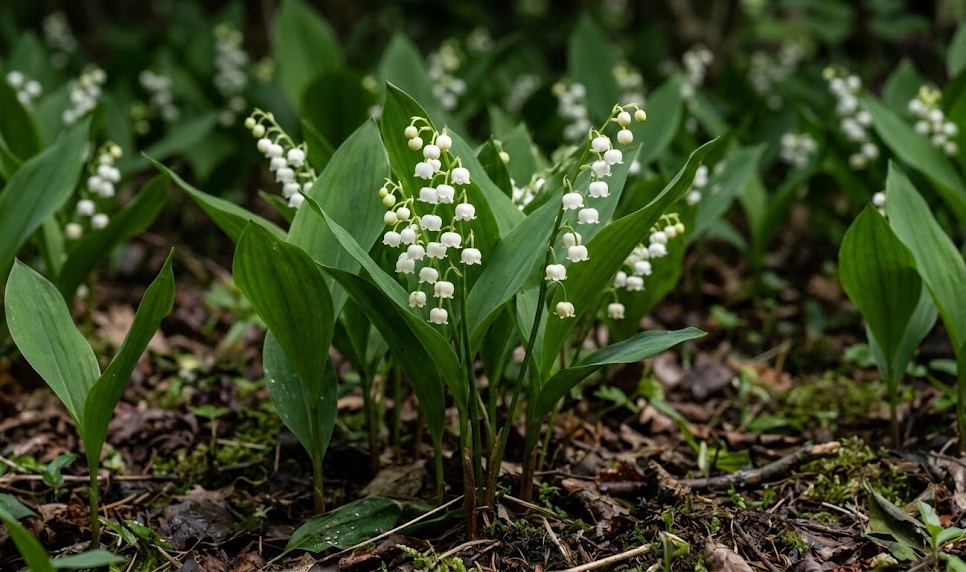
As the seasons change, so do the water requirements of your lily of the valley patch. In the early spring, the natural rainfall is often enough to keep the soil sufficiently damp for growth. However, if the spring is unusually dry, you must step in and provide supplemental water immediately. Keeping the soil moist during the emergence of the pips is critical for their early development.
More articles on this topic
Summer brings higher temperatures and a greater risk of the soil drying out completely. You will likely need to increase the frequency of your watering sessions during July and August. Mulching the area will help retain the moisture you provide and reduce the amount of water lost to evaporation. Pay close attention to plants located under large trees, as the trees will compete for available water.
In the autumn, as the plants begin to go dormant, you can gradually reduce the amount of water you provide. The cooling temperatures mean the soil will stay damp for much longer than it did in the summer. You should still ensure the ground does not become bone dry before the first hard freeze of winter. Proper hydration in the fall helps the rhizomes stay healthy during their long period of rest.
Winter watering is usually unnecessary in most climates, as the plants are dormant and the soil is often frozen. However, in very dry regions with little snow cover, a light watering during a thaw can be beneficial. You want the roots to remain hydrated even when there is no visible growth above the ground. Understanding these seasonal shifts allows you to provide the perfect amount of care all year.
Essential nutrients for vibrant growth
Fertilization provides the necessary fuel for the plants to produce their iconic flowers and lush green leaves. You should focus on providing a balanced supply of nutrients that supports both root and foliage health. A slow-release organic fertilizer is usually the best choice for these slow-growing woodland perennials. These products provide a steady stream of food over several months rather than a sudden burst.
More articles on this topic
Nitrogen is important for the development of strong, green leaves that can photosynthesize effectively. However, you must be careful not to over-apply nitrogen, as this can lead to excessive foliage at the expense of flowers. Phosphorus is the key nutrient for encouraging a healthy root system and a profusion of blossoms. Potassium helps the overall resilience of the plant and its ability to withstand environmental stress.
The best time to apply fertilizer is in the early spring just as the new growth begins to emerge. This gives the plants the nutrients they need right when they are entering their most active phase. You can also apply a light dose of fertilizer after the blooming period has ended to help the roots. This late-season feeding ensures that the rhizomes have enough energy stored for the following year.
Always follow the application rates recommended on the product packaging to avoid over-fertilizing your garden. Excess fertilizer can wash away into the groundwater or cause salts to build up in the soil. It is often better to apply a little less than you think is needed and observe the results. Healthy soil with plenty of organic matter often requires very little supplemental fertilization to thrive.
Using organic amendments for soil health
Incorporating organic amendments is a more natural and sustainable way to feed your garden beds. Compost is one of the best materials for improving both the texture and the nutrient content of the soil. You should spread a thin layer of well-composted material over the bed every spring or autumn. This mimics the natural deposition of organic matter that occurs on the floor of a forest.
Leaf mold is another fantastic amendment that specifically caters to the needs of woodland-dwelling plants. It provides a unique blend of nutrients and helps to maintain the slightly acidic pH that these flowers prefer. You can easily make your own leaf mold by piling up fallen leaves and letting them rot for a year. Adding this material to your garden creates a rich, dark soil that the rhizomes will love.
Liquid organic fertilizers, such as seaweed extract or compost tea, can provide a quick nutrient boost when needed. These products are easily absorbed by the roots and can help plants that are showing signs of stress. You can apply these liquids during the growing season as a supplement to your regular soil amendments. They are a gentle way to provide extra support without the risk of burning the delicate roots.
Using organic methods promotes a healthy population of soil microbes and beneficial insects in your garden. These organisms work together to break down organic matter and make nutrients available to the plants. A living, healthy soil is much more resilient and productive than one that relies solely on chemicals. By choosing organic options, you are supporting the long-term health of your entire garden ecosystem.
Identifying and correcting nutrient deficiencies
Learning to read the signs of nutrient deficiencies is a valuable skill for any professional gardener. If the leaves of your plants are turning yellow while the veins remain green, they may have an iron deficiency. This often happens in soils that are too alkaline for the plants to absorb iron properly. Adding some elemental sulfur or chelated iron can help correct this specific issue and restore the green color.
Stunted growth and a lack of flowers can be a sign that the soil is depleted of phosphorus. You might notice that the plants look generally healthy but simply fail to thrive or expand as expected. In this case, applying a high-phosphorus organic fertilizer or bone meal can provide the necessary boost. It may take a season or two to see the full effects of these corrective measures on the plants.
If the edges of the leaves look burnt or brown despite adequate watering, a potassium deficiency might be the cause. This nutrient is vital for regulating the plant’s water balance and overall structural integrity. Providing a balanced fertilizer or some wood ash can help replenish the potassium levels in the soil. Regular soil testing is the only way to know for sure what your garden is missing.
Taking a proactive approach to soil health will prevent most nutrient issues from ever occurring in the first place. You should keep a garden journal to record when you fertilize and what products you use. This helps you track the performance of the plants and make informed decisions about future care. A well-nourished lily of the valley patch will reward you with decades of beauty and fragrance.