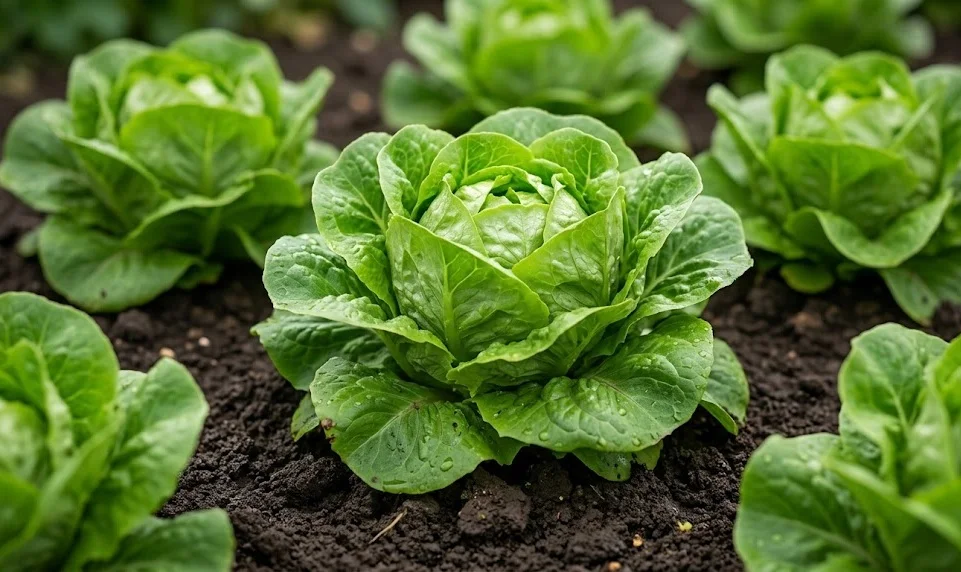

Developing a consistent and effective watering routine is perhaps the most important skill you can master when growing lettuce in a home garden. Because lettuce leaves are composed mostly of water, the plants have a very high demand for moisture throughout their entire life cycle. You should aim to keep the soil consistently moist to a depth of at least two inches to support the shallow root system properly. A regular schedule prevents the stress that often leads to bitterness or premature bolting in leafy green varieties.
The best time to water your lettuce patch is during the early morning hours before the heat of the sun begins to intensify. This allows the water to soak deeply into the soil and provides the plants with a reservoir of moisture to draw from during the day. Watering in the evening is also an option, but you must be careful not to leave the foliage wet overnight, as this can encourage fungal diseases. Early morning irrigation ensures that any water on the leaves evaporates quickly as the air temperature rises.
During periods of extreme heat or dry winds, you might find that your lettuce requires a second light watering in the late afternoon. You should pay close attention to the appearance of the leaves, as wilting is a clear signal that the plant is under significant moisture stress. However, you must be careful not to overwater, which can lead to soggy soil and root rot in heavy or poorly draining garden beds. Finding the right balance requires a combination of observation and a good understanding of your local weather patterns.
Using a rain gauge in your garden can help you track how much natural moisture your plants are receiving and adjust your irrigation accordingly. Most lettuce crops need about an inch of water per week, either from rain or from your garden hose or irrigation system. If you see that the week has been particularly dry, you will know that it is time to step in and provide extra support for your greens. Keeping accurate records of your watering habits will help you refine your approach over time for better results.
Improving water quality and delivery
The method you use to deliver water to your lettuce plants can be just as important as the amount of water you provide each day. Overhead watering with a hose or sprinkler can be effective, but it often wastes water through evaporation and can splash soil onto the leaves. This splashed soil often contains pathogens that can lead to leaf spot or other common diseases that affect the quality of your harvest. If you do use overhead methods, try to aim the water at the base of the plants whenever possible.
More articles on this topic
Drip irrigation or soaker hoses are widely considered the most efficient way to water a lettuce garden in a professional or semi-professional setting. These systems deliver moisture directly to the soil surface, where it can be absorbed by the roots with very little waste or evaporation. Because the foliage stays dry, the risk of disease is significantly reduced, and you can target specific areas of the bed more accurately. While the initial setup takes some time, the long-term benefits for your plants and your water bill are substantial.
The quality of the water you use can also have an impact on the health and flavor of your lettuce over the course of the season. Rainwater is generally the best choice for gardens because it is naturally soft and free of the chemicals often found in municipal tap water. If you have the space, installing a rain barrel is an excellent way to collect and store this valuable resource for use during dry spells. If you must use tap water, letting it sit in a bucket for a few hours can help some of the chlorine dissipate before you use it.
Mulching your garden beds is another powerful way to improve the efficiency of your watering routine by reducing evaporation from the soil surface. A thick layer of straw or wood chips acts as an insulator, keeping the ground cool and moist even on the hottest summer days. This means that the water you apply stays available to the plants for a much longer period, reducing the overall frequency of irrigation needed. Mulch also prevents a hard crust from forming on the soil, which allows water to penetrate much more easily.
Selecting organic fertilizers
Choosing the right nutrients to support your lettuce crop is essential for producing the large, tender leaves that every gardener desires for their kitchen. Organic fertilizers are generally preferred over synthetic ones because they build long-term soil health and provide a slow, steady release of nutrients. You should look for products that are high in nitrogen, as this is the primary element responsible for lush, green vegetative growth. Compost, aged manure, and fish emulsion are all excellent organic choices for feeding your hungry lettuce plants.
More articles on this topic
Compost is often referred to as “black gold” by experienced gardeners because of its incredible ability to nourish both the plants and the soil ecosystem. You can mix a generous amount of well-rotted compost into your garden beds before planting to provide a base level of nutrition for the season. Throughout the growing period, you can also “side-dress” your plants by placing a small amount of compost around the base of each head. This provides a gentle boost of nutrients every time you water or it rains on the garden.
Liquid organic fertilizers, such as compost tea or seaweed extract, offer a quick way to provide nutrients to plants that may be showing signs of deficiency. These can be applied directly to the soil or even sprayed on the leaves as a foliar feed for immediate absorption by the lettuce. You should follow the instructions on the product label carefully to avoid over-concentrating the solution, which can burn the sensitive foliage. Liquid feeds are especially useful for container-grown lettuce, where nutrients can be leached out of the soil more quickly.
It is important to remember that over-fertilizing can sometimes do more harm than good to your lettuce crop and the surrounding environment. Excessive nitrogen can lead to rapid but weak growth, making the plants more attractive to pests like aphids and more susceptible to certain diseases. It can also cause an accumulation of nitrates in the leaves, which is not ideal for consumption in large quantities. A balanced, moderate approach to fertilization will result in the healthiest and most delicious lettuce for your home-cooked meals.
Balanced nutrient application
Understanding the specific needs of your soil through a professional test is the most accurate way to determine what nutrients your lettuce truly requires. A soil test will reveal the levels of nitrogen, phosphorus, and potassium, as well as important micronutrients like calcium and magnesium. With this information, you can tailor your fertilization plan to address specific deficiencies without adding unnecessary elements to the ground. This scientific approach saves money and prevents the environmental issues associated with nutrient runoff from home gardens.
Applying fertilizers at the right stage of the plant’s life cycle is another key to success in the vegetable garden throughout the year. Lettuce doesn’t need much help during the very early seedling stage, as the seeds themselves contain enough energy to get the plant started. You should begin your feeding program once the plants have established their first set of true leaves and are beginning to grow rapidly. A light, consistent application of nutrients every two to three weeks is usually sufficient for most varieties of leafy greens.
You should always apply granular fertilizers to damp soil and water them in thoroughly to help the nutrients reach the root zone where they are needed. Placing dry fertilizer directly against the stems of the plants can cause chemical burns, so try to keep it a few inches away from the base. If you are using a liquid fertilizer, make sure to apply it during the cooler parts of the day to avoid leaf scorch from the sun. Following these simple application rules ensures that your plants get the maximum benefit from every feeding.
Observing the color and growth rate of your lettuce will give you constant feedback on whether your fertilization program is working effectively for you. If the leaves are a vibrant, healthy green and the plants are growing steadily, you are likely providing exactly the right amount of nutrition. If the leaves appear pale or yellow, it may be a sign that they need more nitrogen to support their development. By paying close attention to your crop, you can make small adjustments that lead to a much more successful and bountiful harvest.
Optimal timing for nutrients
The timing of your fertilizer applications should be closely coordinated with your watering schedule and the prevailing weather conditions in your local area. You should avoid applying fertilizers just before a heavy rainstorm, as the water can wash the nutrients away before the plants have a chance to absorb them. Instead, try to time your feeding for a period of calm, stable weather when the soil is already moist but not saturated. This ensures that the nutrients stay in the root zone and are available to the lettuce for as long as possible.
As the lettuce plants approach maturity, you might want to scale back on the fertilization to allow the flavor of the leaves to fully develop. Excessive nutrients late in the season can sometimes result in a slightly “metallic” or off-flavor in certain varieties of leafy greens. You should aim to provide the bulk of the nutrition during the middle phase of the plant’s growth when it is putting on the most biomass. This strategy results in the best balance between size, texture, and taste for your harvested produce.
Different types of lettuce may have slightly different nutrient requirements based on their growth habit and the length of their growing season. For example, romaine and other heading types take longer to mature and may benefit from a slightly more sustained feeding program than quick-growing loose-leaf varieties. You should research the specific needs of the varieties you are growing to ensure you are providing the best possible support for their unique characteristics. A little bit of knowledge goes a long way in creating a professional-grade vegetable garden.
Finally, remember that the goal of fertilization is to support the natural processes of the plant, not to force it into unnatural or excessive growth. Healthy, slow-grown lettuce often has a better flavor and a more satisfying crunch than plants that have been pushed too hard with synthetic boosters. By focusing on building a rich, living soil and providing gentle organic support, you will create a garden that is both productive and sustainable for years to come. Your efforts will be rewarded with the freshest, most nutritious greens you have ever tasted.