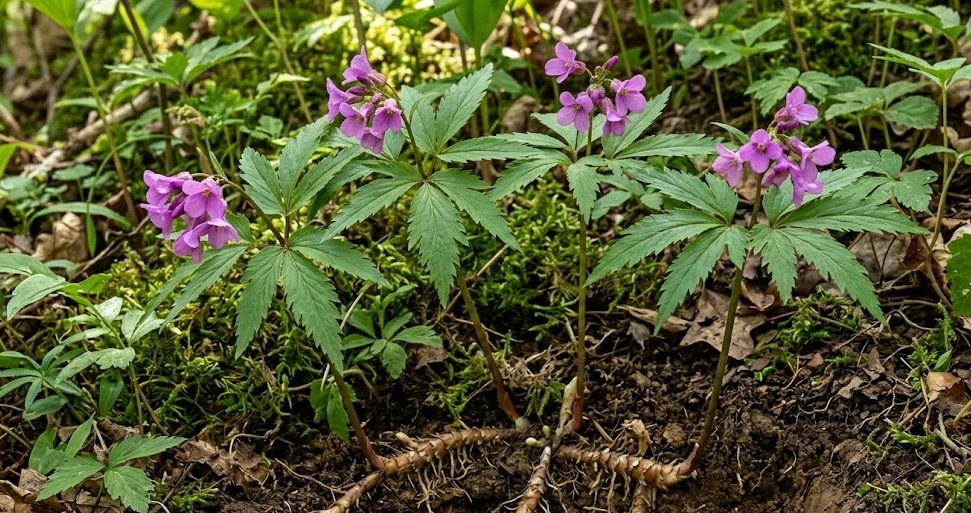

Proper hydration and nutrient management are the cornerstones of maintaining a healthy population of woodland perennials. Because the glandular bittercress has a very specific and relatively short growing season, the timing of these interventions is critical. You must learn to read the signs of the plant and the soil to provide exactly what is needed without overdoing it. A professional approach to watering and feeding will result in stronger plants, more abundant flowers, and a more resilient colony that can withstand environmental stresses.
The watering needs of this plant are highest in the early spring, from the moment the first shoots appear until the foliage dies back. During this window, the plant is performing all its major biological tasks: growing leaves, producing flowers, and setting seeds. You should ensure the soil stays consistently moist to support this intense activity, mimicking the damp forest floor. If the spring is dry, you will need to step in with regular irrigation to prevent the plant from suffering or going dormant too early.
When you water, you should aim for a deep soaking that reaches the full depth of the rhizomes, usually about ten to fifteen centimeters down. Light, frequent sprinkling is often ineffective because the water evaporates before it can benefit the plant’s root system. You should apply water slowly to allow it to penetrate the mulch and the soil surface without running off. Using a soaker hose or a watering can with a fine rose is an excellent way to provide controlled, gentle hydration.
The quality of the water you use can also have an impact on the health of your woodland garden over time. If possible, you should use harvested rainwater, which is naturally soft and free of the chlorine and minerals found in many municipal supplies. Rainwater also tends to be slightly acidic, which perfectly matches the soil preferences of the bittercress. If you must use tap water, allowing it to sit in an open container for twenty-four hours can help some of the chemicals dissipate before application.
Seasonal watering schedule
Your watering routine should change as the plant moves through its various stages of growth and dormancy. In late winter and early spring, you should focus on keeping the ground moist to encourage strong emergence and healthy bud development. As the temperatures rise in late spring, the demand for water will increase, especially if the canopy trees are also drawing heavily from the soil. You should check the moisture levels at least twice a week during this peak period to ensure the plants never wilt.
More articles on this topic
Once the flowers have faded and the seeds are ripening, you can gradually reduce the frequency of your watering. This signals to the plant that its active season is coming to an end and it should begin preparing for dormancy. However, you should not let the soil dry out completely, as the rhizomes still need some moisture to stay healthy underground. A moderate level of soil moisture during the early summer helps the plant transition smoothly into its rest period.
During the height of summer, when the foliage has disappeared, the watering needs are at their lowest point. You should only water the dormant beds during periods of extreme drought to prevent the rhizomes from desiccating deep in the soil. A thick layer of mulch will do most of the work for you by holding onto the existing moisture and keeping the ground cool. Over-watering during dormancy can be dangerous, as it creates the warm, wet conditions that promote fungal rot in the roots.
In the autumn, as the weather cools and the plant begins its invisible root growth, you should ensure the soil is once again sufficiently moist. Natural rainfall is often enough at this time of year, but you should supplement it if the season is unusually dry. This autumn moisture is essential for the plant to store energy and prepare for the following spring. Consistent attention to these seasonal shifts is what separates a professional gardener from a casual hobbyist.
Organic nutrient sources
Providing nutrients to your bittercress should be done in a way that preserves the delicate balance of the woodland soil. You should avoid synthetic, quick-release fertilizers that can provide too much nitrogen at once and disrupt the soil’s natural biology. Instead, focus on using organic materials that break down slowly and provide a steady stream of minerals over many months. Well-rotted leaf mold is the gold standard for this plant, as it provides exactly what the bittercress would find in nature.
More articles on this topic
Another excellent source of organic nutrition is high-quality garden compost that has been fully decomposed. You should apply a thin layer of compost, no more than one or two centimeters, over the planting area in early spring or late autumn. This “top-dressing” adds nutrients and also improves the soil’s ability to hold onto moisture and air. The earthworms and other soil organisms will naturally pull the nutrients down into the root zone where the plants can access them.
You can also use organic liquid feeds, such as seaweed extract or compost tea, for a gentle boost during the flowering season. These liquids should be diluted to half-strength and applied directly to the soil around the base of the plants. This method provides immediate micro-nutrients without the risk of burning the delicate leaves or roots. Liquid feeding is particularly useful if your plants are growing in pots or in areas where the soil is naturally very sandy or poor.
The best long-term strategy for nutrition is to create a closed-loop system where the plant’s own fallen leaves and those of the surrounding trees are left to decompose. This natural recycling of organic matter builds a rich, self-sustaining soil that rarely needs additional fertilization. You are essentially acting as a steward of the natural process, ensuring that the cycle of growth and decay continues uninterrupted. A professional gardener understands that healthy soil is the true source of plant vitality.
Fertilizer application timing
If you decide that your plants need a supplemental boost, the timing of the application is just as important as the type of fertilizer used. You should apply solid organic fertilizers in the late winter, just before the first shoots begin to emerge from the ground. This timing allows the winter rains to wash the nutrients into the soil so they are available exactly when the plant starts its rapid spring growth. Applying fertilizer too late in the season is often a waste of resources, as the plant will soon be entering dormancy.
You should avoid fertilizing in the middle of a dry spell, as the plants cannot effectively take up nutrients without sufficient water. Always ensure the soil is moist before and after applying any fertilizer to prevent root stress and to help the nutrients move through the soil. If the weather is dry, you should water the area thoroughly a day before you plan to feed your plants. This preparation ensures that the fertilizer is beneficial rather than a source of further environmental stress.
Never apply fertilizer during the summer dormancy period, as the plant is not actively growing and cannot use the extra nutrients. Excess fertilizer sitting in the soil during the summer can lead to a buildup of salts or encourage the growth of unwanted weeds and fungi. The plant is in a state of rest and its metabolic needs are very low during these warm months. Respecting this period of inactivity is vital for the long-term health of the rhizomes.
A final, very light application of organic matter in the autumn can be helpful to support the plant’s secondary root development. This isn’t about promoting green growth, but rather about strengthening the underground structures for the winter ahead. You should focus on materials with a higher carbon content, like shredded leaves, which provide a slow release of energy over the winter months. This strategic timing supports the entire life cycle of the bittercress, leading to a more robust display each year.
Soil moisture retention
Keeping moisture in the soil is often more important than adding new water, especially in a changing climate. You should use mulch as your primary tool for moisture retention, applying it consistently across all your woodland beds. A thick layer of organic mulch reduces evaporation from the soil surface by up to seventy percent, making your watering efforts much more effective. It also acts as a temperature buffer, keeping the soil cool on unexpectedly warm spring days.
The type of mulch you choose can affect how well the soil holds onto water and how the plants respond. Shredded hardwood mulch or pine needles are good choices because they stay in place and don’t mat down too tightly, allowing air and water to pass through. You should avoid using fresh grass clippings or uncomposted wood chips, which can rob the soil of nitrogen as they break down. The best mulch is one that mimics the loose, airy texture of the forest floor.
Improving the soil’s organic matter content over time is another professional way to increase moisture retention. Every time you add compost or leaf mold, you are increasing the soil’s “sponge-like” qualities, allowing it to hold more water for longer periods. You will find that as your soil health improves, you need to water less frequently, even during dry spells. This resilience is a key goal for any professional-grade gardening project.
You should also consider the physical layout of your garden to help manage moisture and prevent runoff. Creating small depressions or using logs to slow down water movement can help the moisture sink into the ground where the bittercress needs it. If you are planting on a slope, these techniques are especially important to ensure the water reaches the plants instead of flowing past them. Smart management of existing moisture is a sustainable and effective way to support your garden’s health.