
Achieving the perfect balance of hydration and nutrition is the hallmark of a professional approach to hyacinth cultivation. These plants have a relatively short active growth window, which means every watering and feeding session must be timed to maximize its impact. The bulbs act as a storage system, but they rely on external inputs to build up the reserves necessary for their spectacular floral display. By implementing a systematic irrigation and fertilization program, you can ensure that your garden remains vibrant and healthy from the first shoot to the final dormancy. Professional-level care involves a nuanced understanding of how water and minerals interact within the soil environment.
Watering requirements change significantly as the hyacinth progresses through its various developmental stages. In the early spring, when the green tips first appear, the soil should be kept consistently moist but never saturated. This initial moisture supports the rapid expansion of the leaves and the development of the embryonic flower spike hidden within. You should check the soil moisture level by inserting a finger several centimeters into the ground to ensure the water is reaching the root zone.
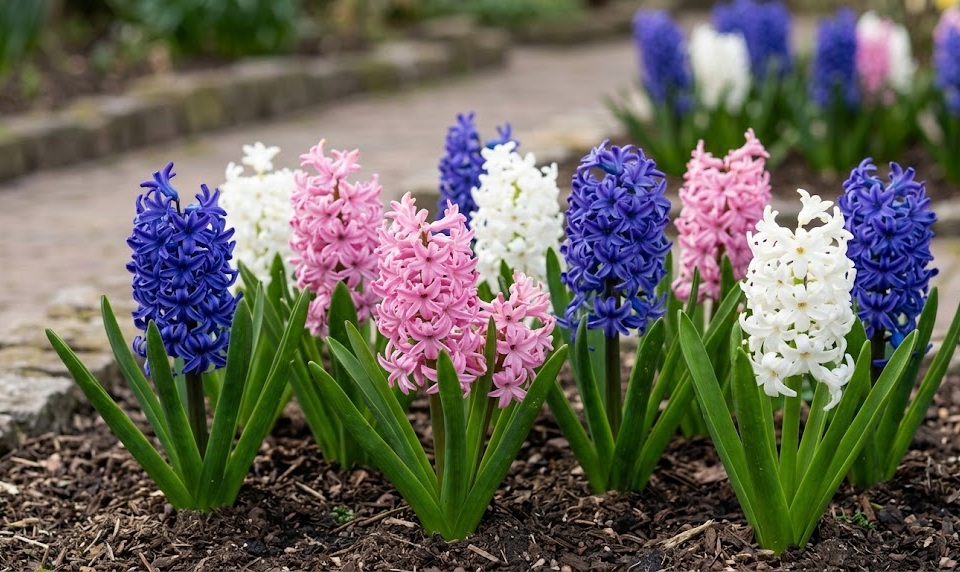
During the peak blooming period, the plant’s demand for water reaches its highest level due to the large surface area of the flowers. Dehydration at this stage can cause the florets to wilt prematurely and significantly shorten the lifespan of the display. It is best to water early in the morning so that any moisture on the foliage can dry before the sun becomes too intense. Avoid wetting the flower heads directly, as this can encourage fungal growth and cause the heavy spikes to lean.
As the flowers fade and the plant begins to focus on bulb recharging, the watering frequency should be gradually reduced. You still need to provide enough moisture to keep the leaves green and functional for as long as possible. Once the foliage starts to yellow naturally, you can stop supplemental watering altogether to allow the bulb to enter its dormant phase. Over-watering during the late summer can lead to bulb rot, so environmental monitoring is crucial during this transition.
Principles of balanced fertilization
Fertilizing hyacinths is most effective when it is done in two distinct phases: during planting and at the start of the spring growth. When you first plant the bulbs in the autumn, a slow-release fertilizer with a high phosphorus content will encourage strong root development. This sets the stage for a healthy plant that can efficiently absorb nutrients and water once spring arrives. A handful of bone meal or a specialized bulb food mixed into the bottom of the planting hole is a traditional professional technique.
More articles on this topic
The second critical feeding occurs in the early spring just as the first leaves begin to break through the soil surface. This “top-dressing” provides an immediate supply of nitrogen and potassium to support the intense growth of the stem and flowers. You should choose a balanced, water-soluble fertilizer that can be easily absorbed by the emerging root system. Apply the fertilizer to the soil around the base of the plants, being careful not to let the granules touch the tender new foliage.
Understanding the specific role of each macronutrient helps you tailor your fertilization strategy to the needs of the plant. Nitrogen is essential for the lush green growth of the leaves, which are the factories that produce energy for the bulb. Phosphorus is the key to vibrant flower production and strong root systems, while potassium improves the overall resilience of the plant. A professional-grade fertilizer will provide these elements in the correct ratios to avoid the imbalances that can lead to weak stems or poor blooms.
Micronutrients like magnesium and iron also play a vital role in maintaining the deep colors and healthy appearance of your hyacinths. While these are usually present in most high-quality garden soils, a deficiency can sometimes manifest as yellowing between the veins of the leaves. If you suspect a nutrient deficiency, a soil test can provide a scientific basis for adjusting your fertilization program. Using professional diagnostic tools takes the guesswork out of gardening and ensures that your plants receive exactly what they need.
Managing soil moisture and drainage
The structural integrity of your soil directly affects how effectively water and nutrients are delivered to the hyacinth roots. Loamy soils with a high organic matter content have an excellent water-holding capacity while still allowing excess moisture to drain away. If your soil is sandy, you will need to water more frequently but in smaller amounts to prevent the nutrients from leaching away. For clay-heavy soils, the focus must be on improving drainage to prevent the roots from being deprived of oxygen.
More articles on this topic
Mulching is a professional technique that helps maintain consistent soil moisture levels and reduces the need for frequent watering. A layer of organic mulch, such as shredded bark or compost, acts as an insulating blanket that slows down evaporation from the soil surface. It also helps suppress weeds that would otherwise compete with the hyacinths for valuable water and minerals. As the mulch breaks down, it further enriches the soil with organic matter, creating a self-sustaining cycle of improvement.
Drip irrigation systems are highly recommended for larger hyacinth displays because they deliver water directly to the soil without wetting the foliage. These systems can be set on timers to ensure the plants receive a consistent amount of moisture regardless of your daily schedule. This precision prevents the “boom and bust” cycle of soil moisture that can stress the plants and lead to inferior floral displays. Many professional estates use such systems to maintain their vast botanical collections in peak condition.
Observation is your most valuable tool when it comes to managing the water needs of your garden. You should look for signs of stress, such as slightly drooping leaves or a loss of luster in the green tissue, which indicate that the plant needs more water. Conversely, a foul smell from the soil or yellowing leaves that feel mushy are signs that the area is too wet. By developing a keen eye for these subtle cues, you can adjust your irrigation routine to match the specific conditions of your garden.
Nutritional timing and bulb recovery
The period immediately following the bloom is the most important time for the long-term nutritional health of the bulb. During these few weeks, the plant is working at full capacity to store carbohydrates and minerals for the following year. If you stop caring for the plants as soon as the flowers fade, you are essentially starving the bulbs for their next growth cycle. Continued light watering and a final application of a potassium-rich fertilizer can make a dramatic difference in future performance.
Never remove the green leaves until they have completely lost their color and can be easily pulled away from the bulb. These leaves are performing photosynthesis, converting sunlight and nutrients into the energy stores that will power next year’s spring show. If you find the dying foliage unsightly, you can hide it behind later-blooming perennials or annuals. This practice of “patience over aesthetics” is a key distinction between a casual gardener and a professional horticulturist.
In regions with very high rainfall, you may need to take steps to protect the dormant bulbs from excessive soil moisture during the summer. Some gardeners choose to lift their bulbs and store them in a dry, ventilated area to ensure they remain healthy and firm. However, if your soil drains well, it is usually better to leave them undisturbed to follow their natural rhythm. The decision to lift or leave the bulbs depends on your local climate and the specific characteristics of your garden’s soil.
Preparing the soil for the next year begins in the autumn with a final check of the nutrient levels in your beds. You might consider adding a slow-release organic fertilizer at this stage to replenish what was taken during the previous growing season. This proactive approach ensures that the bulbs have a rich reservoir of nutrients to draw from as soon as they wake up in the spring. A well-fed garden is a resilient garden, capable of producing world-class floral displays year after year.
Professional irrigation and feeding strategies
Advanced gardeners often use liquid seaweed extracts or fish emulsions as a supplementary feed during the peak growth phase. These organic liquids provide a wide range of trace minerals and growth hormones that can boost the plant’s natural defenses. They are easily absorbed through both the roots and the leaves, providing a quick pick-me-up for plants that may be struggling. When used in combination with traditional fertilizers, these extracts can significantly improve the overall vitality of the hyacinths.
The quality of the water you use can also have an impact on the long-term health of your soil and plants. In areas with very hard water, the buildup of calcium and magnesium salts can eventually affect the pH of the soil. Using rainwater collected in barrels is a professional preference, as it is naturally soft and free from the chlorine found in municipal supplies. Rainwater is also usually at a temperature that is less shocking to the plants than cold water straight from a deep well.
When applying fertilizers, always ensure the soil is already moist to prevent the concentrated minerals from burning the delicate root tips. If you are using granular products, scratch them lightly into the soil surface and then water the area thoroughly to begin the dissolving process. This ensures that the nutrients are moved down into the root zone where they can be most effectively utilized. Professional application techniques ensure that every gram of fertilizer is put to good use by the plant.
Finally, remember that over-fertilization can be just as damaging as under-fertilization. Excessive nitrogen can lead to rapid, weak growth that is highly attractive to pests and easily damaged by late frosts. A professional approach is always balanced and measured, focusing on the long-term health of the soil ecosystem rather than a quick burst of growth. By following these guidelines, you will create a garden environment where hyacinths can truly thrive and showcase their full potential.