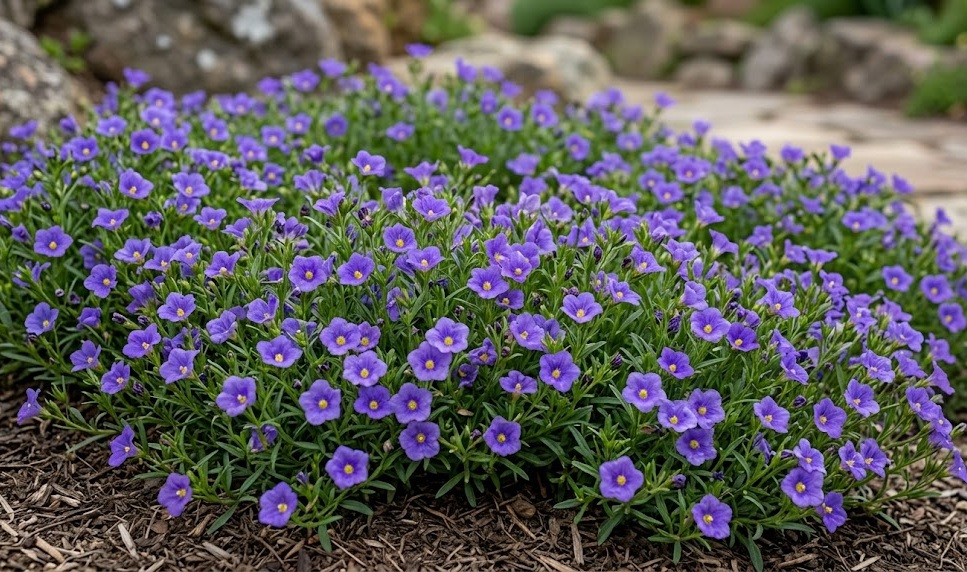

Proper hydration and nutrition are the dual pillars that support the prolific and healthy growth of the cupflower. These plants have specific requirements that must be met to ensure they remain vibrant throughout the long summer months. Balancing the amount of water and the type of nutrients provided is a professional skill that comes with observation and experience. When these two factors are managed correctly, the result is a resilient plant that produces a stunning and continuous display of flowers.
Developing a consistent watering schedule is the first step toward professional-level plant care in your garden. The goal is to keep the soil consistently moist but never allowed to become truly saturated or waterlogged. Fluctuations between extreme dryness and heavy saturation can stress the plant and lead to a decline in bloom quality. Understanding your local soil type and its drainage capacity will help you determine the ideal frequency for your site.
Monitoring the weather is a vital part of adjusting your irrigation strategy throughout the changing seasons. During periods of intense heat and wind, the plants will naturally lose moisture much more quickly through their leaves. Conversely, during cool or cloudy spells, you may need to scale back to prevent the soil from staying too damp. A professional gardener is always responsive to the environment rather than strictly following a rigid, unchanging calendar.
The method of delivery for water is just as important as the quantity provided to the plants. It is always best to apply water directly to the base of the plant rather than spraying the foliage from above. This ensures that the moisture reaches the root zone efficiently and keeps the leaves dry to prevent disease. Using a professional-grade irrigation system can automate this process while maintaining the highest standards of efficiency.
Understanding hydration cycles
Deep watering is the preferred professional technique for building a strong and resilient root system in these plants. By providing a larger volume of water less frequently, you encourage the roots to grow deeper into the soil in search of moisture. Shallow, daily watering keeps the roots near the surface where they are more susceptible to heat and drought. A deep root system acts as an insurance policy for the plant during the most challenging parts of the summer.
More articles on this topic
Early morning is the optimal time for irrigation as it allows the plant to fully hydrate before the heat of the day arrives. Any water that accidentally lands on the foliage will have plenty of time to evaporate before evening. This reduces the risk of fungal spores germinating in the damp conditions that often occur during the night. If morning is not possible, late afternoon is the second-best choice, provided the leaves can dry before sunset.
Visual cues from the plant can often tell you more about its hydration needs than a simple calendar can. A slight loss of turgidity in the leaves is often the first sign that the plant is beginning to feel the effects of thirst. However, it is important to learn the difference between temporary midday wilting and a genuine lack of soil moisture. Digging a few inches into the earth to feel the dampness is a more reliable professional method of assessment.
Overwatering is a common mistake that can be even more damaging than a temporary period of dryness for this species. Roots that are deprived of oxygen in waterlogged soil will quickly begin to rot and fail to support the plant. Signs of overwatering often include yellowing leaves and a general lack of vigor that can be mistaken for other issues. Maintaining a professional balance requires a disciplined approach to moisture management throughout the year.
Essential nutrients for flowering
To support the heavy blooming typical of this species, a steady supply of high-quality nutrients is absolutely necessary. Nitrogen is essential for the initial growth of healthy green foliage, but it should not be overused as the season progresses. Too much nitrogen can lead to a lush plant that unfortunately produces very few of the desired cup-shaped flowers. Professional fertilization strategies focus on a more balanced approach that prioritizes the overall health of the entire plant.
More articles on this topic
Phosphorus and potassium are the key elements that drive the production of flowers and improve overall stress resistance. Many professional growers use a balanced fertilizer with a slightly higher middle number to encourage more prolific budding. These nutrients also help strengthen the cell walls of the plant, making it more robust against wind and temperature changes. Applying these elements at the right time in the growth cycle is the secret to a truly impressive floral display.
Slow-release granular fertilizers are an excellent choice for providing a long-term foundation of nutrition for the season. These products break down gradually, releasing small amounts of energy every time the plant is watered or it rains. This prevents the “boom and bust” cycle that can sometimes occur with highly concentrated liquid fertilizers. A professional application in the early spring is often enough to carry the plant through much of its active period.
For an extra boost during the peak of summer, a supplemental liquid feeding can be used to maintain the momentum of the blooms. These quick-acting products are absorbed rapidly through both the roots and the foliage if formulated for such use. Always ensure the soil is already moist before applying liquid fertilizer to prevent any risk of burning the delicate root hairs. This two-tiered approach to nutrition is a hallmark of professional garden management and plant health.
Organic vs mineral fertilizers
Many professional gardeners prefer using organic fertilizers because they improve the soil structure while providing essential nutrients. Materials like fish emulsion, seaweed extract, or well-aged compost teas are rich in complex biological compounds. These products feed the beneficial microorganisms in the soil, creating a healthier environment for the plant roots in the long run. While they may act more slowly than synthetic options, the results are often more sustainable and resilient.
Mineral or synthetic fertilizers offer the advantage of precise control over the exact ratio of nutrients being delivered. This can be particularly useful if a soil test has identified a specific deficiency that needs to be corrected quickly. However, these products do not contribute to the long-term health of the soil and must be used with care to avoid salt buildup. Professional growers often use a combination of both organic and mineral products to get the best of both worlds.
The timing of fertilizer applications should be closely aligned with the plant’s natural growth stages for maximum effect. Starting too early in the winter or too late in the autumn can result in weak growth that is easily damaged by the cold. Most of the feeding should take place during the spring and summer when the plant is actively producing new stems and flowers. A professional schedule respects the plant’s internal clock and provides resources when they are most needed.
Proper application techniques are essential to ensure the nutrients are available to the plant and not wasted. Granular fertilizers should be lightly scratched into the soil surface and then watered in thoroughly to activate them. Avoid getting fertilizer directly on the stems or leaves of the plant, as the concentrated salts can cause physical damage. A professional and careful application ensures that the plant receives all the benefits without any of the potential risks.
Signs of nutritional imbalance
Learning to read the leaves of your plants can help you identify nutritional issues before they become serious problems. A general yellowing of the older leaves often indicates a need for more nitrogen to support ongoing growth. On the other hand, a purplish tint on the foliage might suggest that the plant is struggling to take up enough phosphorus. Professional observation skills allow you to diagnose these subtle signals and take corrective action immediately.
Micronutrient deficiencies, though less common, can also impact the health and appearance of your garden display. Iron deficiency often shows up as yellowing between the veins of the youngest leaves, a condition known as chlorosis. This is frequently a result of the soil pH being too high rather than a total lack of iron in the earth. A professional understands that the chemical environment of the soil is just as important as the nutrients themselves.
Over-fertilization can manifest as burnt leaf tips or a sudden, unexplained collapse of the plant’s structural integrity. Excessive salt accumulation in the soil can also prevent the roots from being able to absorb water effectively. If you suspect you have over-applied nutrients, a heavy leaching of the soil with plain water may be necessary to wash away the excess. Maintaining a conservative and professional approach to feeding is always safer than overdoing it.
Consistency is the ultimate goal when it comes to the long-term watering and feeding of your cupflowers. Plants that receive regular, predictable care are much better equipped to handle the occasional stresses of the natural world. By establishing a professional routine, you create a stable environment where the plants can truly thrive and reach their full potential. This dedication to the fundamentals is what separates a beautiful garden from a truly spectacular one.