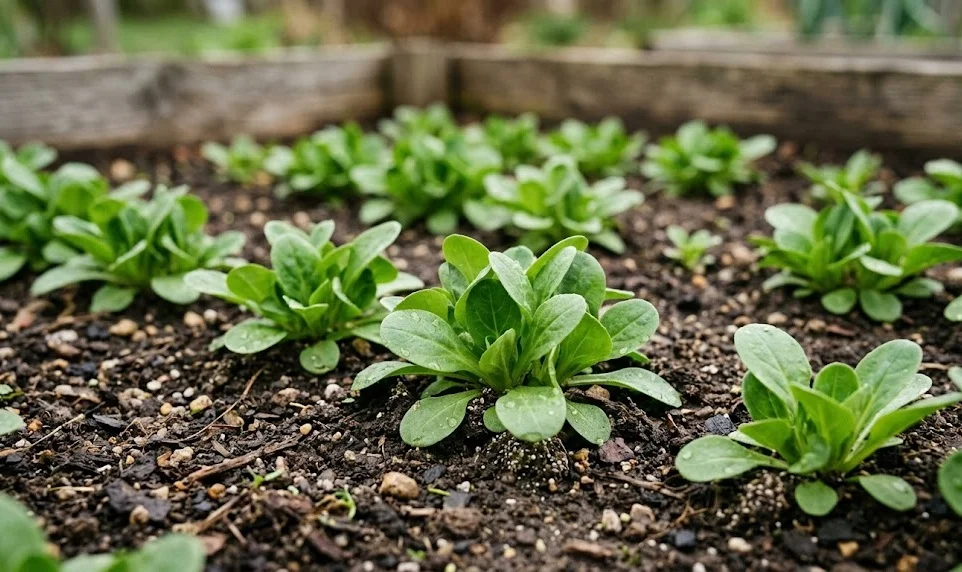

Watering and fertilization of corn salad are the two pillars of nutrient management that directly influence the texture and flavor of the leaves. Because this crop has a relatively shallow root system, it is particularly sensitive to both drought and excessive moisture. A professional approach involves a balanced delivery of water and nutrients that supports steady growth without causing rapid, weak development. By mastering these two elements, a gardener can produce a crop that is both hardy and delicious, regardless of minor environmental fluctuations.
Moisture requirements must be met with precision to avoid the stresses associated with dry soil. The goal is to keep the soil consistently damp but never waterlogged, as stagnant water can lead to root rot and other fungal issues. During periods of low rainfall, deep watering sessions are more effective than frequent shallow sprinkles, as they encourage deeper root growth. Checking the soil moisture levels daily at a depth of two inches provides a reliable indicator of when irrigation is truly necessary.
Irrigation techniques should be chosen based on the density of the planting and the specific layout of the garden. Drip irrigation systems are often preferred because they deliver water directly to the base of the plants, keeping the foliage dry and reducing the risk of disease. If overhead watering is the only option, it should be done early in the morning so the leaves have time to dry before evening. This strategy minimizes the window of opportunity for pathogens that thrive in damp, dark conditions to take hold.
Nutrient needs for corn salad are relatively modest compared to larger garden crops, but they are still essential for healthy leaf production. A soil test conducted before planting can reveal any specific deficiencies that need to be addressed through targeted amendments. Nitrogen is the primary nutrient required for leafy growth, but it must be applied in moderation to avoid making the plants overly attractive to aphids. A balanced approach ensures that the plant has everything it needs for structural integrity and metabolic function.
Organic versus mineral fertilizers is a common debate among agricultural experts, with each having distinct advantages. Organic options, such as well-composted manure or seaweed extracts, improve soil structure and provide a slow release of nutrients over time. Mineral fertilizers offer a more immediate response and can be useful if a specific deficiency is detected during the growing season. Many professionals choose a hybrid approach, using organic matter as a base and supplementing with liquid feeds when growth appears to stall.
More articles on this topic
Timing of application is just as important as the type of fertilizer used during the cultivation process. It is generally best to incorporate compost or granular fertilizers into the soil several weeks before sowing to allow them to integrate properly. Supplemental liquid feeding can be beneficial when the plants are about halfway through their growth cycle, providing a final boost before harvest. Avoiding heavy fertilization late in the season prevents the accumulation of nitrates in the leaves, which is an important consideration for food safety and quality.