
Maintaining the delicate balance of moisture and nutrients is the most critical aspect of keeping your foliage plants in peak condition. These plants are known for their dramatic reactions to both neglect and over-care, making them excellent indicators of your gardening precision. To achieve the largest leaves and the most intense color saturations, you must adopt a systematic approach to hydration and feeding. This article explores the professional techniques used to ensure that your collection never skips a beat during the high-growth periods of the year.
Establishing a watering schedule
The most important rule in hydrating these plants is to keep the soil consistently moist but never saturated with stagnant water. You will notice that they wilt very quickly when they are thirsty, which serves as a dramatic but stressful reminder to water. While they usually recover rapidly after a drink, frequent wilting will eventually weaken the plant and cause the lower leaves to drop. To avoid this, you should check the soil daily, especially during the hot and windy days of mid-summer.
Watering early in the morning is the most effective way to prepare the plant for the heat of the day ahead. This timing allows the roots to absorb the moisture before the sun reaches its peak intensity and increases the rate of evaporation. It also ensures that any water that accidentally gets on the leaves has time to dry before the cooler evening temperatures arrive. Night watering should generally be avoided because wet foliage in the dark is an open invitation for various fungal diseases.
When you do water, you should aim for a deep soaking that reaches the entire root zone rather than a shallow sprinkle. This encourages the roots to grow deeper into the soil, making the plant more resilient and stable in the long run. If you are growing in containers, keep pouring until you see water flowing freely from the drainage holes at the bottom. This process also helps to flush out any accumulated salts from fertilizers that might otherwise build up and damage the tender root hairs.
The environmental conditions will dictate how often you need to intervene with your watering can or hose. In humid, cloudy weather, the soil may stay moist for several days, whereas on a hot, breezy day, you might need to water twice. You should develop a feel for the weight of your pots; a light pot usually means the soil is dry and needs immediate attention. Being responsive to the plant’s actual needs rather than following a rigid calendar is the secret to professional success.
More articles on this topic
Water quality and temperature
Many gardeners overlook the fact that the quality of the water can have a profound impact on the long-term health of tropical plants. If your tap water is heavily treated with chlorine or chloramine, it can cause the sensitive leaf tips of some varieties to turn brown. Letting the water sit in an open container for twenty-four hours allows many of these chemicals to dissipate into the air. If you have the option, using rainwater is the gold standard as it is naturally soft and slightly acidic, which these plants adore.
Water temperature is another subtle but important factor that can influence the plant’s growth and health. Using ice-cold water directly from a deep well or a refrigerated source can shock the tropical roots and temporarily halt growth. You should always aim to use water that is at room temperature or slightly tepid to ensure a gentle transition for the root system. This is particularly important for indoor specimens that live in a very stable and warm environment throughout the entire year.
In areas with very hard water, the high mineral content can eventually change the pH of the soil over several months. You might see a white, crusty buildup on the surface of the soil or around the edges of your terracotta pots. This mineral accumulation can interfere with the plant’s ability to take up essential micronutrients like iron and manganese. If you suspect this is happening, flushing the soil with distilled water or repotting into fresh medium is the best way to restore the balance.
The method of delivery is just as important as the water itself when it comes to maintaining a professional appearance. You should always try to water the soil directly rather than pouring water over the top of the foliage. Wetting the leaves can wash away the protective oils and make them more susceptible to sunburn if the sun comes out suddenly. A long-necked watering can or a drip irrigation system is the perfect tool for delivering moisture exactly where the plant needs it most.
More articles on this topic
Selecting the right fertilizers
Because these plants are grown for their foliage, they have a high demand for nitrogen to support the rapid production of green and colorful tissues. You should look for a balanced, water-soluble fertilizer with a slightly higher first number in the N-P-K ratio. A formula like 10-5-5 or 20-20-20 applied at half strength is often ideal for maintaining steady and vigorous growth. Avoid fertilizers that are too high in phosphorus, as this can encourage the plant to flower prematurely, which we generally want to avoid.
Organic options like fish emulsion or liquid seaweed are excellent choices for gardeners who prefer a more natural approach to plant nutrition. These fertilizers provide a wide range of micronutrients and beneficial microbes that improve the overall health of the soil ecosystem. While they might have a stronger odor, the results in terms of leaf vibrancy and plant resilience are often superior to synthetic alternatives. Organic fertilizers also tend to be gentler on the roots, reducing the risk of chemical burns from over-application.
Slow-release granules are a great “set it and forget it” option that can be mixed into the soil at the time of planting. These pellets gradually break down over several months, providing a consistent trickle of nutrients to the plant. This is particularly useful for outdoor garden beds where frequent liquid feeding might be a time-consuming chore for a busy gardener. However, keep in mind that the release rate can be affected by temperature and moisture, so you should still monitor the plant’s appearance.
Regardless of the type of fertilizer you choose, you must always apply it to soil that is already moist. Fertilizing a bone-dry plant can lead to root burn because the concentrated salts are absorbed too quickly by the thirsty tissues. If you notice the leaf edges turning yellow or brown shortly after feeding, you have likely used too much or applied it to dry soil. A professional approach involves feeding more frequently with weaker solutions rather than giving the plant heavy, sporadic doses of nutrients.
Adjusting nutrients by season
The nutritional needs of your collection will fluctuate significantly as the seasons change and the light levels shift. During the peak growing months of late spring and summer, the plant is in its most active phase and requires regular feeding. You should aim to fertilize approximately every two weeks during this period to keep up with the rapid leaf production. This ensures that the new growth is just as large and colorful as the established parts of the plant.
As the days begin to shorten in late summer and early autumn, you should start to reduce the frequency of your fertilization. The plant’s metabolism naturally slows down in response to the changing light, and excess nutrients can lead to weak, leggy growth. By tapering off the feeding, you are helping the plant prepare for the slower pace of the winter months. This transition is essential for those who plan to bring their plants indoors for overwintering or for taking end-of-season cuttings.
If you are keeping your plants indoors during the winter, you should generally stop fertilizing altogether from November through February. The low light levels mean the plant cannot process the nutrients efficiently, which can lead to a toxic buildup in the soil. Only resume feeding once you see the first signs of active new growth as the spring sunlight begins to strengthen. This dormant period is a natural part of the plant’s life cycle and should be respected for long-term health.
Spring is the time to kickstart the growth again with a fresh application of nutrients as the temperatures begin to rise. You can start with a very diluted dose to wake up the root system and gradually increase the strength as the plant responds. This is also a good time to refresh the top layer of soil with some high-quality compost to provide a natural boost. Following the natural rhythm of the seasons will ensure that your plants remain vibrant and healthy year after year.
Recognizing overwatering and overfeeding
Being able to identify the signs of too much care is just as important as knowing how to provide the right amount. Overwatering is the most common cause of failure, leading to root rot and a characteristic “mushy” feeling in the stems. If the leaves are turning yellow and falling off while the soil is still soaking wet, you have definitely been too generous with the water. In this case, you must stop watering immediately and allow the soil to dry out completely before intervening again.
Overfeeding can also cause significant damage, often manifesting as stunted growth or distorted, small leaves. You might see a white crust on the soil surface, which is a clear sign that mineral salts have accumulated beyond what the plant can use. If you suspect over-fertilization, the best course of action is to “leach” the soil by running clear water through it for several minutes. This helps to wash away the excess salts and reset the nutritional balance of the growing medium.
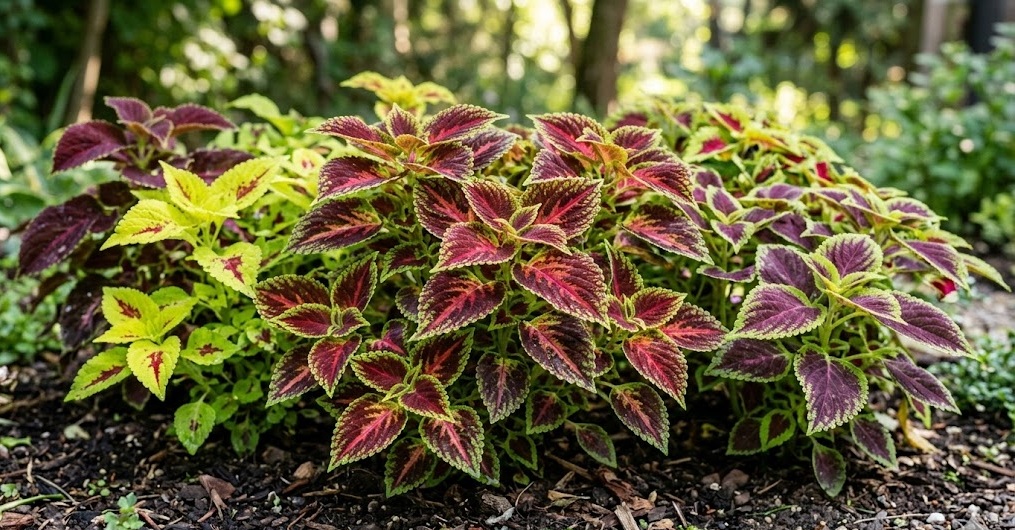
The plant’s color can also give you clues about its nutritional state, though this can be tricky because light also plays a role. If a variety that is supposed to be dark burgundy starts looking pale and washed out, it might be lacking essential micronutrients. However, if the stems are becoming very long and the leaves are far apart, you might be providing too much nitrogen and not enough light. A professional gardener learns to interpret these visual signals to fine-tune their care routine for each individual specimen.
Lastly, pay attention to the overall turgidity and “posture” of the plant as you go through your daily checks. A healthy plant should feel firm and the leaves should stand out proudly from the stems. If the plant looks dull and lacks its usual luster, it is often a sign that something is slightly off in the root zone. By catching these subtle changes early, you can make minor adjustments to your watering and feeding that prevent a major decline in health.