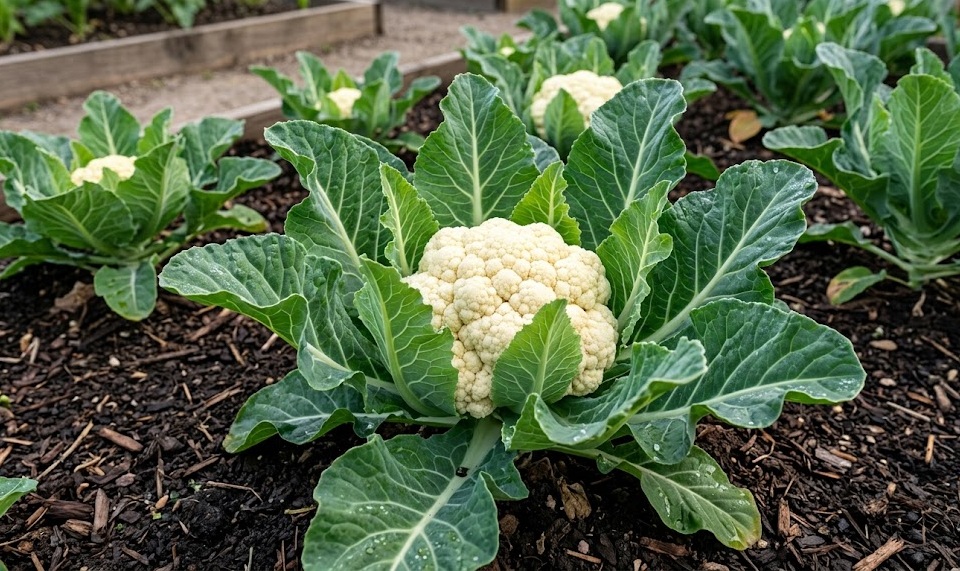

Cauliflower requires a consistent and ample supply of water to produce high-quality, tender heads. You must ensure that the soil remains moist but not waterlogged at all times throughout the growing cycle. Inconsistent watering can lead to physiological issues such as hollow stems or the premature formation of small curds. Developing a disciplined irrigation schedule is one of the most important tasks for any serious vegetable producer.
The depth of watering is just as important as the frequency to encourage a deep and resilient root system. You should aim to moisten the soil to a depth of at least six to eight inches during each irrigation session. Shallow watering encourages roots to stay near the surface, where they are more vulnerable to heat and drought. A deep root system allows the cauliflower to access moisture and nutrients that are stored further down in the soil profile.
Observing the plants for signs of water stress is a skill that comes with experience and careful attention. While wilting in the heat of the afternoon is common, if the plants are still wilted in the morning, they are in desperate need of water. You should also check the soil moisture by inserting a finger or a soil probe a few inches into the ground. If the soil feels dry at that depth, it is time to turn on the water immediately.
Automated irrigation systems, such as drip lines or soaker hoses, are highly recommended for professional cauliflower production. these systems deliver water directly to the base of the plant, reducing evaporation and keeping the foliage dry. Keeping the leaves dry is a critical strategy for preventing fungal and bacterial diseases that thrive in wet conditions. Investing in a simple timer can ensure that your plants receive water at the optimal time of day without constant manual labor.
Nutrient requirements and soil testing
Cauliflower is a nitrogen-hungry crop that needs plenty of fuel to build its massive leaf structure. You should focus on providing a balanced supply of macro and micronutrients throughout the entire season. Nitrogen promotes vegetative growth, while phosphorus and potassium are essential for root development and curd quality. A deficiency in any of these areas will result in stunted plants and a disappointing harvest at the end of the year.
More articles on this topic
Conducting a professional soil test is the only way to know exactly what your garden needs. A soil test will reveal the levels of essential minerals as well as the soil pH and organic matter content. Based on these results, you can apply targeted amendments rather than guessing and potentially over-fertilizing. Over-fertilization can be just as harmful as a deficiency, leading to nutrient runoff and imbalanced plant growth.
Micronutrients like boron and molybdenum play a small but vital role in the health of the cauliflower plant. As mentioned previously, boron prevents hollow stems and browning, while molybdenum is necessary for nitrogen metabolism. If your soil is naturally deficient in these elements, you may need to apply specialized fertilizers or foliar sprays. Paying attention to these fine details is what allows a professional grower to achieve consistently high-quality results.
Organic matter, such as compost or aged manure, is a fantastic source of slow-release nutrients and improves soil structure. You should aim to incorporate large amounts of organic material into your beds every year to maintain fertility. Not only does this provide food for the plants, but it also increases the soil’s ability to hold onto water and air. Healthy soil is a living ecosystem that supports the long-term productivity of your entire agricultural operation.
Timing and application of fertilizers
The first round of fertilization should occur during the soil preparation phase before any plants are in the ground. You can work a balanced granular fertilizer into the top few inches of soil to provide an immediate nutrient source for young roots. This initial boost helps the transplants recover from shock and start growing as quickly as possible. Professional growers often use a starter solution high in phosphorus to encourage rapid root establishment during this critical time.
More articles on this topic
Side-dressing is the practice of applying fertilizer to the soil surface next to the growing plants mid-season. For cauliflower, a high-nitrogen side-dressing is usually beneficial about three to four weeks after transplanting. You should carefully scratch the fertilizer into the soil and then water it in thoroughly to ensure it reaches the roots. Be careful not to let the fertilizer touch the leaves or stems, as it can cause chemical burns on the tender tissue.
Foliar feeding is another professional technique where liquid nutrients are sprayed directly onto the leaves of the plant. This method allows for rapid absorption and can be used to quickly correct minor nutrient deficiencies during the growing season. You should apply foliar sprays in the early morning or late evening when temperatures are cool to avoid leaf scorch. This supplemental feeding can provide the extra edge needed to produce exceptionally large and healthy cauliflower heads.
As the curd begins to form, you should generally reduce the amount of nitrogen and focus more on potassium. Too much nitrogen late in the season can lead to loose heads and an increased susceptibility to certain pests and diseases. You should monitor the progress of the crop closely and adjust your fertilization strategy based on the growth stage. Understanding the changing needs of the plant is a hallmark of a professional and successful agricultural manager.
Water management during extreme weather
During periods of extreme heat, the water demands of cauliflower increase dramatically as the plants lose moisture through transpiration. You may need to water more frequently, sometimes even twice a day, to keep the root zone cool and hydrated. Providing a thick layer of mulch will help retain moisture and protect the soil from the baking sun. If the plants are allowed to dry out during a heatwave, the quality of the developing curd will be permanently compromised.
Heavy rain can present its own set of challenges, including nutrient leaching and increased disease pressure. Excessive water can wash away soluble nitrogen, leaving the plants hungry just when they need energy the most. You may need to apply a light supplemental fertilizer after a major rain event to replace what was lost. Proper drainage is essential to prevent the roots from sitting in saturated soil, which can lead to root rot and death.
Drought conditions require a very disciplined approach to water conservation and plant health. You should prioritize your watering schedule to ensure that the cauliflower receives a consistent supply even if other parts of the garden are neglected. Using a moisture meter can help you precisely monitor the conditions in the root zone and avoid wasting water. In a professional setting, having a reliable water source is a non-negotiable requirement for growing this specific crop.
Using row covers during dry, windy weather can help reduce the amount of moisture the plants lose to the air. These covers create a microclimate that is slightly more humid and less turbulent than the surrounding environment. This simple physical barrier can save a significant amount of water and reduce the overall stress on the cauliflower plants. Adapting your management techniques to the prevailing weather is a key part of professional agricultural stewardship.
Organic vs. synthetic fertilization strategies
Many professional growers prefer organic fertilizers because they build long-term soil health and provide a steady supply of nutrients. Materials like fish emulsion, kelp meal, and composted manure are excellent choices for nourishing cauliflower plants. These organic options also support beneficial soil microbes that help protect the plants from diseases and improve nutrient uptake. While they may work more slowly than synthetic options, the long-term benefits to the garden ecosystem are significant.
Synthetic fertilizers offer a more concentrated and immediately available source of nutrients for fast-growing crops. They are often easier to apply precisely and can be a life-saver if a severe nutrient deficiency is identified mid-season. However, you must be careful not to over-use them, as they can lead to salt buildup in the soil and harm beneficial organisms. A professional approach often involves a careful balance of both organic and synthetic products depending on the specific situation.
Cover cropping is a fantastic “green manure” strategy that adds nutrients and organic matter back into the soil during the off-season. You can plant nitrogen-fixing crops like clover or vetch in the fall and then till them into the soil in the spring. This practice reduces the need for external fertilizer inputs and improves the overall sustainability of your farming or gardening operation. It is a time-tested method used by professionals to maintain high levels of productivity over many years.
Ultimately, the choice of fertilization strategy depends on your personal goals, budget, and local soil conditions. You should experiment with different products and methods to see what works best for your specific cauliflower varieties. Keeping a detailed journal of your fertilization activities and the resulting yields will help you refine your process over time. A professional is always learning and looking for ways to optimize their agricultural practices for better results.