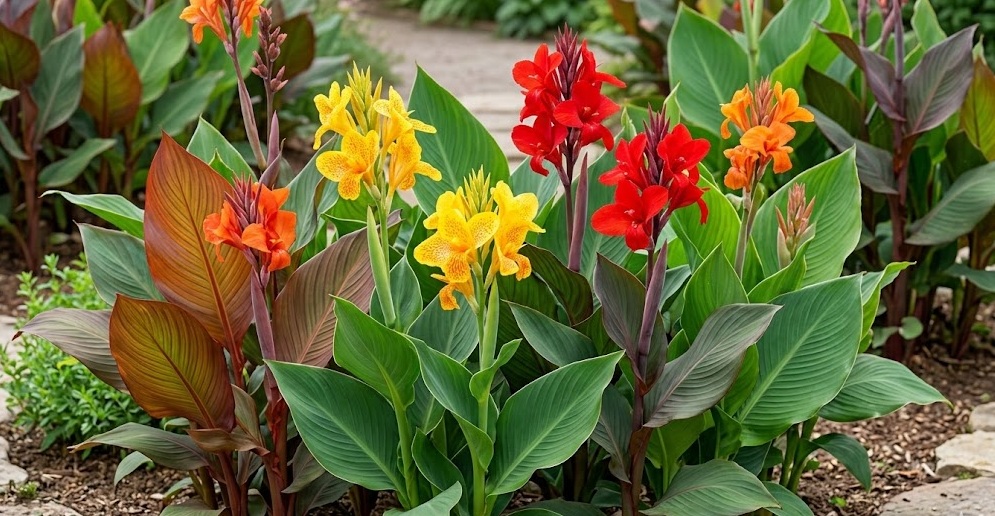

Managing the hydration and nutritional needs of these tropical giants is a fundamental skill for any serious gardener or agricultural professional. You must understand that their rapid growth rate and large leaf surface area create a significant demand for both water and minerals. Providing these elements in the right proportions and at the right times is the secret to achieving spectacular floral displays. This article details the professional approach to feeding and watering your collection for maximum impact.
The water requirements of these plants are among the highest in the ornamental garden, reflecting their tropical swamp origins. You should aim to keep the soil consistently moist throughout the entire active growing period of the season. During the height of summer, the large leaves lose a tremendous amount of water through the process of transpiration. If the soil dries out completely, the plant will quickly show signs of stress and may stop flowering.
While they love moisture, it is crucial to distinguish between moist soil and a waterlogged, anaerobic environment. You should ensure that your garden beds have enough drainage to allow oxygen to reach the root system. Roots that are constantly submerged in stagnant water will eventually suffer from rot and lose their ability to absorb nutrients. A professional watering strategy balances the need for high volume with the necessity of proper soil aeration.
The timing of your irrigation routine can have a significant impact on the health of the foliage and flowers. You should prioritize watering in the early morning to allow the leaves to dry before the evening temperatures drop. This practice reduces the risk of fungal diseases that thrive in damp, cool conditions on the leaf surfaces. If you must water in the evening, try to apply the moisture directly to the soil rather than over the top.
Implementing an effective watering strategy
Using a drip irrigation system is often the most efficient way to manage the water needs of large decorative beds. You should place the emitters near the base of each plant to deliver moisture exactly where it is needed most. This method significantly reduces water loss through evaporation and keeps the foliage dry, which is always a professional goal. It also allows for precise control over the amount of water each individual specimen receives.
More articles on this topic
In very hot climates, you might find it necessary to water your plants twice a day to prevent wilting. You should monitor the texture of the soil by feeling it a few centimeters below the surface to gauge moisture levels. Mulching with organic materials like wood chips or straw helps maintain a more stable environment for the shallow roots. This layer acts as an insulator, protecting the moisture from the drying effects of the sun and wind.
During the early stages of growth, the water demand is slightly lower as the root system is still developing. You should be careful not to overwater at this stage, as the dormant rhizomes are more susceptible to rot. Once the foliage begins to expand rapidly, you can gradually increase the volume and frequency of your irrigation. Paying attention to these subtle changes in demand will help you maintain a healthy balance throughout the year.
The quality of the water you use can also influence the long-term health of your plants and the soil. You should ideally use rainwater or filtered water if your local tap water is exceptionally hard or contains high levels of chlorine. Soft water is generally preferred by tropical species and helps prevent the buildup of mineral salts in the planting medium. If you use well water, periodic testing can help you identify any potential issues before they affect your garden.
Nutritional requirements for vigorous growth
These plants are often described as heavy feeders because of the sheer amount of biomass they produce in a single season. You should provide a steady supply of nitrogen during the first half of the summer to support leaf development. A lack of adequate nutrition often results in stunted growth and a disappointing lack of vibrant color in the foliage. Incorporating slow-release fertilizer into the soil at the beginning of the season provides a solid nutritional base.
More articles on this topic
As the season progresses, the focus of your fertilization strategy should shift toward supporting the development of flowers. You should choose a formula with a higher middle number, representing phosphorus, to encourage strong and healthy flower spikes. Potassium is also essential for overall plant health and helps regulate the internal water balance of the tissues. Professional growers often alternate between different types of fertilizers to provide a full spectrum of minerals.
Liquid fertilizers are an excellent tool for providing an immediate boost during the peak of the growing season. You should apply these diluted solutions every two to three weeks to supplement the slow-release nutrients in the soil. This method allows the plant to quickly absorb the minerals and respond with new growth and more frequent blooms. Always ensure the soil is already moist before applying liquid fertilizer to prevent any potential root burn.
Micronutrients like iron, magnesium, and manganese play a supporting but vital role in the health of your specimens. You should look for specialty fertilizers that include these elements to ensure the most vibrant leaf and flower colors. Iron deficiency often manifests as yellowing between the leaf veins, a condition known as interveinal chlorosis. Addressing these minor deficiencies early prevents them from becoming major problems that affect the entire garden’s appearance.
Organic vs synthetic fertilization methods
Many professionals prefer to use a combination of organic and synthetic fertilizers to get the best of both worlds. You should use compost and well-rotted manure to improve the soil structure and provide long-term, slow-release nutrients. These organic materials also support a healthy population of soil microbes that help the plant absorb minerals. Synthetic fertilizers can then be used to target specific growth stages with more precision and immediate results.
Applying organic mulches not only conserves water but also serves as a source of nutrition as they decompose. You should consider using materials like alfalfa pellets or seaweed meal to add specific beneficial compounds to the ground. These natural additions often contain growth hormones that can stimulate the plants in ways that chemicals cannot. Building a rich, living soil is the most sustainable way to maintain a professional-grade garden over many years.
Synthetic fertilizers offer the advantage of knowing exactly what concentration of nutrients you are delivering to your plants. You should always follow the manufacturer’s instructions carefully to avoid the negative consequences of over-application. Excessive amounts of nitrogen can lead to lush foliage that is weak and more attractive to certain types of pests. A disciplined and measured approach is always better than simply adding more product without a specific goal.
Foliar feeding is another professional technique where you spray a diluted nutrient solution directly onto the large leaves. You should perform this task during the early morning hours when the leaf pores are open and ready to absorb. This method can provide a very quick green-up and is particularly useful if the root system is temporarily compromised. However, foliar feeding should only be a supplement to a solid soil-based nutrition program.
Adjusting routines for seasonal changes
As the days begin to shorten in late summer, you should start to reduce the amount of nitrogen you provide. You should focus on hardening the plant tissues rather than encouraging new, soft growth that won’t have time to mature. This transition helps the plant prepare for its upcoming dormant phase and improves the storage quality of the rhizomes. Continuing to provide potassium during this time supports the root health and overall winter hardiness.
Watering should also be scaled back as the temperatures drop and the plant’s metabolic rate slows down naturally. You should allow the soil to dry out a bit more between waterings than you did during the peak of the summer. However, you must not let the ground become completely bone-dry until after the first frost has blackened the foliage. Maintaining some moisture ensures that the rhizomes remain plump and healthy until it is time to lift them.
If you are growing your plants in containers, their needs will change more rapidly than those planted in the ground. You should be especially vigilant about watering and feeding container plants as the limited soil volume can dry out or become depleted quickly. Flushing the pots with plain water occasionally helps remove any excess salts that may have accumulated from regular fertilization. This practice keeps the root environment fresh and prevents chemical stress on your tropical residents.
Observations made during the season will help you refine your watering and feeding plan for the following year. You should take notes on which varieties responded best to specific treatments or environmental conditions in your garden. This data-driven approach is what separates a professional horticulturist from a casual gardener and leads to consistent success. Every growing season is an opportunity to learn more about the unique needs of these impressive tropical plants.