
Mastering the hydration and nutrient requirements of this perennial is a balance between providing enough support and avoiding over-indulgence. In its natural environment, the plant has adapted to survive in lean soils with unpredictable rainfall patterns. Translating these conditions to a managed garden setting requires a disciplined approach to both the watering can and the fertilizer bag. Understanding the physiological limits of the species will lead to a healthier and more resilient garden display.
During the initial planting phase, consistent moisture is the primary requirement for a successful start. New transplants lack the deep root systems necessary to tap into subsoil moisture reserves. You should water them deeply at least twice a week, depending on the ambient temperature and wind conditions. The goal is to keep the soil surrounding the young roots moist but to allow the surface to dry slightly between sessions.
As the plant transitions into its second year, the frequency of watering should be gradually reduced. The developing taproot is searching for water deeper in the earth, and keeping the surface too wet discourages this essential growth. An established specimen is incredibly drought-tolerant and can often go weeks without supplemental water even in mid-summer. In fact, excessive moisture is often the most common cause of plant death in domestic gardens.
The signs of water stress are usually subtle and can be easily misinterpreted by an inexperienced gardener. If the leaves start to curl or look slightly dull, it may be a sign that the plant is conserving moisture. However, if the stems remain upright, the plant is likely managing the stress effectively on its own. Only provide extra water during prolonged periods of extreme heat and zero precipitation to avoid disrupting the natural balance.
Nutrient management for optimal performance
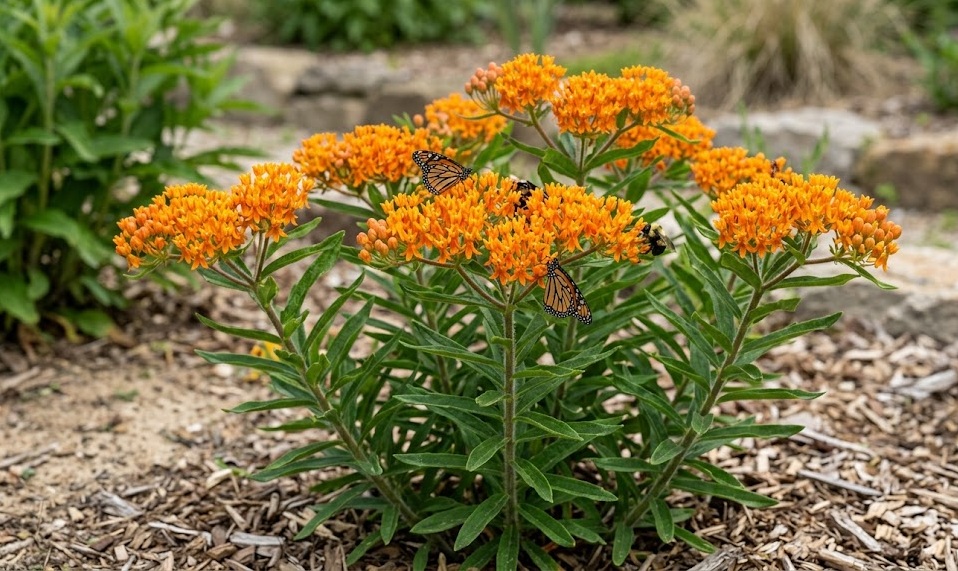
Fertilization should be handled with a minimalist philosophy to maintain the structural integrity of the plant. These perennials have evolved in nutrient-poor environments where they compete successfully against more demanding species. Adding too much nitrogen to the soil can cause the stems to grow too quickly, making them soft and prone to flopping. A lean soil often produces a more compact and floriferous plant that stands tall without support.
More articles on this topic
A slow-release, low-nitrogen fertilizer applied once in the early spring is usually more than sufficient for the entire year. Look for a formula that emphasizes phosphorus and potassium, which support root health and flower development. Organic options like compost or a thin layer of well-rotted leaf mold can also provide a gentle nutrient boost. These amendments improve the soil structure while slowly releasing the elements the plant needs over several months.
If you notice that your plants are producing plenty of leaves but very few flowers, it may be a sign of nutrient imbalance. High levels of nitrogen in the soil, often from lawn runoff, can suppress the reproductive phase of the plant. In such cases, it is best to stop all fertilization and allow the natural soil chemistry to rebalance itself. Sometimes, the best thing you can do for the plant’s health is to simply step back and stop intervention.
Micronutrient deficiencies are rare but can occasionally manifest as unusual leaf discolorations or stunted growth. Iron or magnesium issues might occur if the soil pH is significantly outside the preferred slightly acidic to neutral range. Professional soil testing can provide a clear picture of what might be missing from your garden’s subterranean environment. However, most garden soils in the appropriate drainage zones provide everything this hardy species needs to thrive.