
Effective hydration and nutrition are the twin pillars of a successful artichoke harvest. Because these plants produce massive amounts of foliage and dense flower heads, their consumption of resources is exceptionally high. You must develop a consistent routine that balances the availability of water with a steady supply of essential minerals. Understanding the specific needs of the plant at each growth stage will allow you to optimize its productivity.
Watering should always be approached with the goal of maintaining a consistent moisture level in the root zone. You should avoid the “feast or famine” cycle where the soil oscillates between being bone-dry and completely saturated. These fluctuations can cause the plant to experience physiological stress, which often manifests as stunted growth. A deep, slow irrigation method is the most efficient way to reach the extensive taproot of the artichoke.
The frequency of irrigation will vary depending on your soil type and the prevailing weather conditions. You should check the moisture levels more frequently during periods of high temperature or strong winds. If the leaves begin to droop in the afternoon sun, it is often a sign that the plant is losing moisture faster than it can absorb it. Increasing the depth of your watering will help the plant build the resilience needed for these conditions.
Monitoring the soil texture is a good way to determine the effectiveness of your watering strategy. You should be able to form a loose ball with the soil from ten centimeters deep, but it should not drip water. If the soil feels hard or dusty, it is time to apply a significant amount of water to the bed. Consistency is the secret to producing the tender, high-quality buds that are the goal of every grower.
Organic fertilization and soil building
The long-term health of an artichoke patch depends on a soil environment that is rich in organic matter. You should start the growing season by applying a thick layer of well-composted manure over the entire planting area. This slow-release source of nutrients provides a steady stream of nitrogen for leaf development. Organic fertilizers also improve the soil structure, making it easier for roots to navigate and access water.
More articles on this topic
Supplemental feeding with liquid organic fertilizers can provide an immediate boost during the peak growing months. You should consider using fish emulsion or seaweed extracts every two to three weeks for the best results. these products contain a wide array of micronutrients that are often missing from standard granular fertilizers. Applying these liquids as a soil drench ensures that the nutrients are quickly available to the root system.
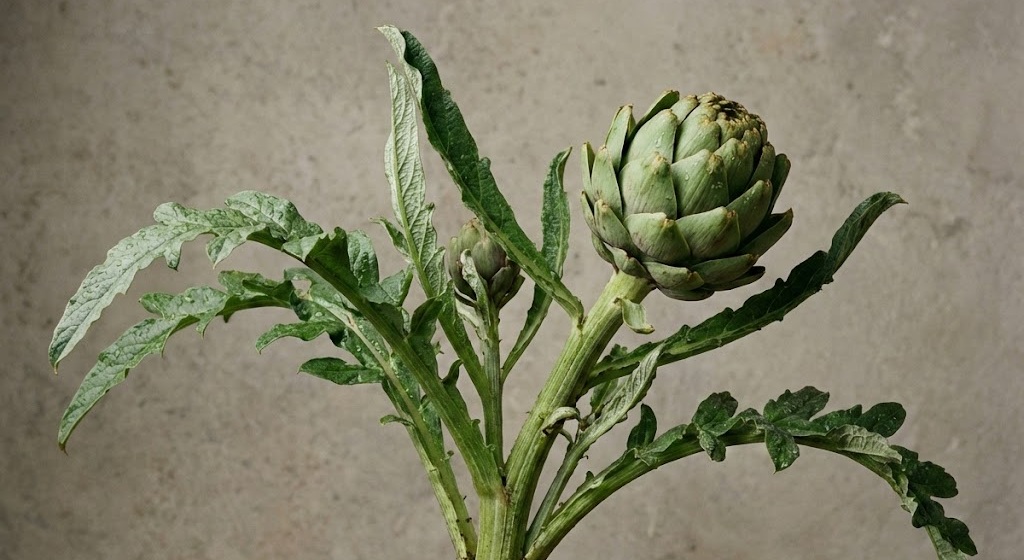
Nitrogen is the primary driver of the large, silvery-green leaves that characterize the artichoke plant. You must ensure that the plant has enough nitrogen early in the season to build its photosynthetic factory. However, as the plant transitions to flowering, you should be careful not to over-stimulate leaf growth at the expense of bud formation. Balancing the different types of nutrients is an art that comes with experience and observation.
Cover cropping during the dormant season is an excellent way to maintain soil fertility and structure. You can plant nitrogen-fixing legumes like clover or vetch in the spaces between the artichokes during the winter. When these crops are turned into the soil in the spring, they provide a massive injection of organic nitrogen. This natural method of fertilization is both cost-effective and highly beneficial for the overall garden ecosystem.
Irrigation systems and efficiency
Choosing the right irrigation system can save a significant amount of time and water over the life of the crop. You should consider installing a drip irrigation system, which delivers water directly to the base of each plant. This method minimizes evaporation and keeps the foliage dry, reducing the risk of fungal diseases. Drip systems can also be automated, ensuring that your plants receive water even when you are not available.
More articles on this topic
Soaker hoses are another viable option for those looking for a more affordable and flexible solution. You can snake the hoses between the plants to provide a slow and steady supply of moisture to the entire bed. It is important to cover these hoses with a layer of mulch to prevent the sun from degrading the material and to stop water from evaporating. This setup allows the water to seep deeply into the soil where it is needed most.
Manual watering is still an option for smaller patches, but it requires a disciplined approach to be effective. You should use a watering wand to target the base of the plant and avoid getting the leaves wet. Taking the time to ensure each plant receives an adequate amount of water is essential for a uniform crop. If you notice some plants are smaller than others, they may be receiving less water due to uneven application.
Whatever system you choose, regular maintenance is required to ensure it continues to function properly. You should check for leaks, clogs, or damaged sections of the irrigation lines on a regular basis. Clearing away any debris that might block the emitters will ensure that every plant gets its fair share of resources. A well-maintained irrigation system is one of the best investments you can make for your garden.
Managing nutrient deficiencies
Recognizing the early signs of nutrient deficiency can prevent long-term damage to your artichoke crop. You should watch for yellowing between the veins of the leaves, which often indicates a magnesium or iron deficiency. If the new growth appears distorted or pale, it may be a sign of a lack of calcium or boron. Early intervention with a targeted foliar spray or soil amendment can quickly rectify these issues.
Phosphorus is essential for root development and the formation of healthy flower heads. If your plants are slow to produce buds or if the buds are unusually small, you may need to increase the phosphorus levels. Using bone meal or rock phosphate are excellent organic ways to boost the levels of this vital mineral. These amendments should be worked into the soil around the base of the plant during the early spring.
Potassium plays a key role in the plant’s overall water management and disease resistance. You should ensure that your fertilization program includes a healthy dose of potassium, especially as the summer heat intensifies. Wood ash or greensand are common organic sources of potassium that can be easily added to the garden. A well-nourished plant is much more capable of withstanding the stresses of the environment.
Soil testing is the only definitive way to know what nutrients are missing from your garden. You should send a soil sample to a professional lab at least once every two years for a comprehensive analysis. The results will provide you with a roadmap for exactly which amendments are needed and in what quantities. Relying on data rather than guesswork will lead to much more consistent and professional results.
Seasonal adjustments to feeding and watering
The water and nutrient needs of an artichoke change significantly as the seasons progress. You should ramp up the irrigation as the temperatures rise and the plant enters its most active growth phase. In the spring, the focus is on supporting rapid foliage expansion with moisture and nitrogen. As summer arrives, the priority shifts to maintaining that growth and supporting the emerging flower stalks.
During the peak of the harvest, the plant is under a high level of physiological demand. You must be very diligent with your watering schedule during this time to prevent the buds from becoming bitter. Even a few days of severe drought can negatively impact the texture and quality of the artichokes. Continue to provide light, frequent feedings to keep the plant’s energy levels high throughout the production period.
As the season winds down and the harvest is over, you can gradually reduce the amount of water and fertilizer. The plant needs a period of slower growth to prepare for the upcoming dormant season or a potential second flush. However, you should never let the soil dry out completely, as the root system must remain healthy to survive the winter. Adjusting your care to match the plant’s natural cycle is a key part of expert gardening.
In the autumn, a final application of compost can help protect the crown and provide a base for the next year’s growth. You should avoid heavy nitrogen applications late in the year, as this can stimulate tender growth that is susceptible to frost. Instead, focus on building the soil’s organic matter and ensuring the drainage is clear for the rainy months ahead. This transition phase is the bridge between a successful harvest and a healthy future crop.