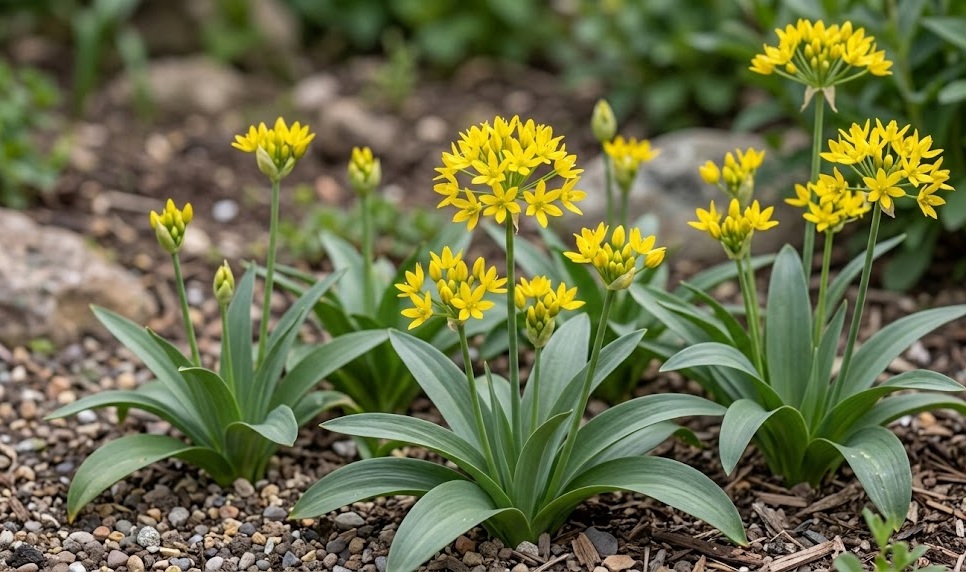

Successful establishment of these cheerful yellow bulbs begins with a thoughtful approach to the planting process. You should aim to complete your planting tasks in the early autumn to give the bulbs plenty of time to grow roots. This early start allows the plant to anchor itself firmly before the ground becomes cold and less hospitable. Understanding the specific needs of the bulbs during this initial phase is the secret to a professional-looking garden.
Selecting the right site is the first and most important decision you will make for your new plants. You should look for an area that receives plenty of sunlight but remains protected from the harshest afternoon heat. The soil in this location must be well-draining to prevent the bulbs from sitting in cold water during the winter. A slightly elevated position or a sloped area can provide the natural drainage that these plants crave.
Preparing the soil before the bulbs arrive will make the actual planting day much smoother and more effective. You should dig the area to a depth of at least twenty centimeters to loosen the earth thoroughly for the roots. Incorporating some organic matter at this stage will provide the young plants with a gentle boost of nutrition. A well-prepared bed ensures that the bulbs can expand their root systems without any unnecessary physical barriers.
You should also consider the overall design of your garden when deciding where to place your new bulb drifts. These flowers look best when they are planted in large, natural-looking groups rather than in stiff and formal rows. Mixing them with other early summer perennials can create a layered effect that adds depth to your landscape. Planning your layout in advance will result in a much more cohesive and professional aesthetic once spring arrives.
Preparing the planting site
The physical condition of the soil at your chosen site will dictate how well the bulbs can establish themselves. You should remove all large stones and persistent weeds from the area before you begin any digging. Turning the soil over several times will help to aerate it and break up any large or stubborn clumps. This process creates a welcoming environment where the roots can easily find the moisture and air they need.
More articles on this topic
If you find that your soil is particularly heavy or contains a lot of clay, you must take steps to improve it. You can add significant amounts of coarse sand or fine gravel to the planting holes to boost the drainage. This simple addition prevents water from pooling around the base of the bulb, which is a common cause of failure. Professional gardeners always prioritize soil structure over almost any other factor when working with Mediterranean bulbs.
You should also check the nutrient levels of the soil to see if any amendments are required before planting. A balanced, slow-release fertilizer can be mixed into the bottom of the planting hole to provide long-term support. You must be careful not to let the bulbs come into direct contact with concentrated fertilizer, as this can burn the tissues. Mixing the amendments thoroughly into the soil is the safest way to provide the necessary boost for growth.
Finally, consider the moisture levels of the site and how they might change throughout the different seasons. You should avoid areas where puddles tend to form after a heavy rainstorm or where the snow lingers longest. These spots are likely to be too wet for the bulbs and will lead to disappointing results or total loss. Choosing a site with a consistent and reliable drainage profile is the hallmark of an expert horticulturist.
Correct bulb placement techniques
When you are ready to start planting, you should aim for a depth that is roughly three times the height of the bulb. This general rule ensures that the plant is deep enough to stay cool in the summer and warm in the winter. Planting too shallowly can cause the bulbs to dry out or be pushed out of the soil by frost. Consistent depth across the entire planting area will result in a more uniform and attractive display of flowers.
More articles on this topic
You should place each bulb into the hole with the pointed end facing upwards towards the sky. If you are unsure which end is the top, you can look for the dried remnants of the previous year’s roots on the bottom. Placing the bulbs correctly saves the plant energy, as the shoot does not have to turn around to find the surface. This small detail can lead to faster emergence and a stronger start for the young plant in the spring.
Spacing the bulbs about ten centimeters apart will give them enough room to grow without becoming overcrowded immediately. You should imagine the size of the mature foliage when deciding on the final placement of each individual bulb. This gap allows for good air circulation and reduces the risk of diseases spreading between the plants. Professional spacing creates a full and lush look without compromising the health of the individual specimens.
Once the bulbs are in place, you should gently fill the holes with the loosened soil you removed earlier. You should press down lightly with your hands to remove any large air pockets that might dry out the roots. Avoid stepping on the area with heavy boots, as this can compress the soil too much and damage the bulbs. A gentle firming of the soil is all that is needed to ensure good contact between the bulb and the earth.
Division of established clumps
After several years of successful growth, you will notice that your bulbs have multiplied into dense and crowded clumps. You should plan to divide these groups every three to four years to maintain the vigor and health of the colony. The best time to do this is in the late summer or early autumn when the foliage has died back. Dividing at this time minimizes the stress on the plants and allows them to settle in before winter.
You should use a garden fork to lift the entire clump out of the ground very carefully. Work your way around the edges of the patch to avoid stabbing the bulbs directly with the metal tines. Once the clump is lifted, you can gently pull the individual bulbs apart with your hands. You will see that the main bulb has produced several smaller offsets that are ready to become independent plants.
Selecting the largest and healthiest bulbs for replanting will ensure that your display remains high in quality. You should discard any bulbs that feel soft, show signs of mold, or appear damaged in any way. Replanting the vigorous offsets in fresh soil will give them the best possible start in their new locations. This process is an easy and cost-effective way to expand your garden and share plants with your friends.
You should treat the newly divided bulbs just like fresh ones by planting them at the correct depth and spacing. Giving them a good drink of water after replanting will help to settle the soil around the roots and encourage growth. You might notice that the smaller offsets take a year or two to reach their full flowering size. Patience is part of the process when you are propagating your own plants through natural division.
Starting plants from seed
Propagating these yellow flowers from seed is a rewarding project for the patient gardener who enjoys a challenge. You should collect the seeds from the dried flower heads in the late summer once they have turned dark and hard. Sowing the seeds while they are fresh often leads to higher germination rates compared to using older, stored seeds. This method allows you to produce a large number of plants with very little financial investment.
You should prepare a seed tray with a well-draining compost mix that is specifically designed for bulbs or succulents. Sowing the seeds thinly on the surface and covering them with a light layer of grit will provide the right environment. You should place the tray in a cold frame or a sheltered spot outdoors where it can experience the natural winter cold. Many bulb seeds require a period of chilling to trigger the germination process in the spring.
As the young seedlings emerge, you must be very careful with your watering routine to prevent dampening off. You should provide plenty of light but avoid direct, scorching sun that could quickly dry out the small containers. It is usually best to leave the seedlings in their original tray for at least two growing seasons before transplanting them. This allows the tiny bulbs to gain enough size and strength to handle the move to the garden.
When the young bulbs are about the size of a marble, you can carefully move them to their permanent positions in the garden. You should expect that plants grown from seed will take three to four years before they produce their first flowers. While it takes longer than planting mature bulbs, the sense of accomplishment is much greater when you see your first blooms. This professional technique is the primary way that new varieties and selections are discovered in the world of horticulture.