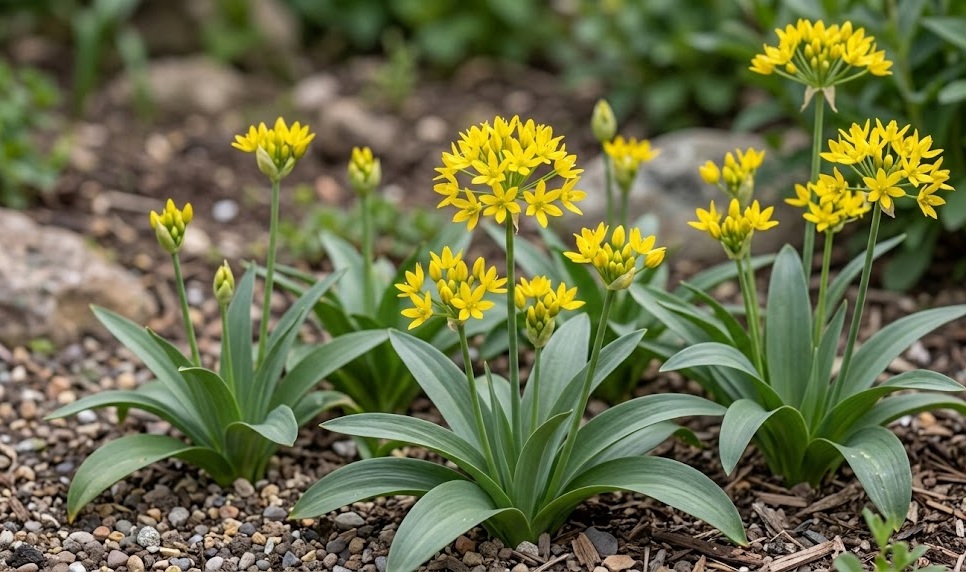

Understanding the specific light needs of these yellow-flowering bulbs is the key to achieving a truly spectacular and healthy display. You should aim to provide an environment that mimics the sun-drenched hillsides of their native Mediterranean home. While they can tolerate a variety of conditions, the intensity and duration of the light they receive will directly impact the quality of the blooms. A professional approach to light management ensures that your plants stay strong and vibrant throughout their entire life cycle.
Light provides the energy that the plant needs to build its structure and produce the sugars that are stored in the bulb for the following year. You should think of sunlight as the primary fuel source for your garden, and managing it correctly is your most important job as a gardener. If the light levels are too low, you will see weak, leggy stems and a disappointing number of flowers in the late spring. Providing the right amount of solar energy is the foundation of a high-quality horticultural project.
You must also consider how the light patterns in your garden change throughout the different seasons and even during the course of a single day. A spot that is in full sun in the early spring when the trees are bare might be in deep shade by the time the flowers are ready to open. Mapping these shifting shadows will help you find the perfect permanent home for your bulbs where they can thrive for years. Professional gardening involves a deep and ongoing observation of the natural world and its cycles.
Finally, remember that light is not just about the intensity of the sun, but also about the quality and direction of the rays. You should look for areas that receive direct morning sun, which is the most efficient for photosynthesis while being less stressful than the hot afternoon heat. Morning light helps to dry the dew off the leaves quickly, which is a great natural way to prevent many types of fungal diseases. Understanding the nuances of light will help you create a garden that is both beautiful and healthy.
Solar exposure
For the most impressive display of yellow flowers, you should aim to provide at least six hours of direct sunlight every day during the growing season. Full sun exposure ensures that the stems grow thick and sturdy, allowing them to support the weight of the flower clusters without bending. You will find that plants grown in full sun also have much more vibrant and intense color in their blossoms. Maximizing solar exposure is the best way to achieve a professional-quality look in your garden borders.
More articles on this topic
If your garden is partially shaded, you can still grow these bulbs successfully as long as they receive plenty of bright, indirect light. You might notice that the plants grow a little bit taller and the flowering period is slightly delayed compared to those in full sun. This can actually be a professional advantage if you want to extend the season of color in your landscape by planting in different light zones. However, you should avoid areas of deep, permanent shade where the plants will likely struggle to survive.
You should also be aware of the “edge effect” where plants grow toward the light if they are positioned next to a wall or a large shrub. This can result in lopsided or leaning plants that don’t look as neat and professional as those in an open and sunny bed. If you must plant in a location with uneven light, you can try to rotate the bulbs occasionally if they are in containers. In the ground, choosing a site with a clear view of the sky is the best way to ensure uniform and attractive growth.
Reflected light from light-colored walls or paved surfaces can also boost the total amount of energy your plants receive each day. You can use this to your advantage by planting your bulbs on the sunny side of a white fence or near a gravel path. This extra light can be particularly helpful in cooler climates where the sun’s intensity is lower than in the Mediterranean. Professional gardeners use every available resource, including reflected light, to give their plants the best possible start.
Light quality and growth
The process of photosynthesis is the engine that drives the growth of your bulbs, and it is entirely dependent on the quality of the light they receive. You should ensure that the leaves have a clear and unobstructed view of the sun during the most active periods of the day. Any physical barriers, such as overgrown weeds or low-hanging branches, can significantly reduce the efficiency of the plant’s energy production. Keeping the area around your bulbs clear and open is a simple but vital part of professional light management.
More articles on this topic
As the plant matures, the amount of light it receives will determine how much energy it can store back into the bulb for the following year. You should avoid cutting the leaves back until they have turned completely yellow, as they are still busy capturing light and building energy reserves. Even after the flowers have faded, the foliage remains a critical part of the plant’s long-term survival strategy. Respecting the plant’s need for light during its entire life cycle is the hallmark of an expert gardener.
You might also notice that the timing of the flowering period is closely linked to the length of the days in the early spring. This “photoperiodism” is the plant’s natural way of timing its growth to coincide with the arrival of warmer weather and pollinating insects. Providing a natural light cycle without too much artificial interference from garden lights will help the plant stay on its natural schedule. Nature has a perfect internal clock, and a professional gardener knows how to work in harmony with it.
Finally, consider the role of light in the development of the root system and the overall structural integrity of the plant. Healthy light levels lead to a balanced growth pattern where the underground and above-ground parts of the plant are in perfect proportion. If a plant is struggling for light, it will put all its energy into growing taller, often at the expense of a strong root system. A professional approach to light ensures that your plants are robust and resilient from the roots up.
Placement in the garden
Choosing the final location for your bulbs requires a careful consideration of the light patterns and how they interact with the rest of your landscape. You should spend some time in your garden at different times of the day to see where the sun shines the longest and where the shadows fall. This “shadow mapping” is a professional technique that allows you to predict how your plants will perform in any given spot. Investing time in observation before you start digging will save you a lot of effort and disappointment later.
You should also think about the vertical structure of your garden and how taller plants might cast shade on your lower-growing bulbs as the season progresses. Planting your bulbs on the southern or western side of larger shrubs and perennials will ensure they get the light they need before the other plants reach their full size. This “layered” approach to garden design allows you to maximize the use of space while still meeting the light requirements of every species. Professional design is all about balance and foresight in the landscape.
If you have a very shady garden, you might consider using containers that can be moved to the sunniest spots as the light shifts throughout the year. This flexibility allows you to enjoy these beautiful yellow flowers even if you don’t have a perfectly sunny garden bed. Using pots and planters is a great professional way to experiment with different light levels and find what works best for your specific environment. A mobile garden can be just as impressive and successful as a permanent one if you manage the light correctly.
Finally, remember to re-evaluate the light levels in your garden every few years as trees and shrubs grow and change the environment. A spot that was in full sun five years ago might now be in partial shade due to the growth of a neighboring hedge. You might need to thin out some branches or even move your bulbs to a new, sunnier location to maintain the quality of the display. Professional gardening is an ongoing process of adaptation and refinement to the ever-changing natural world.