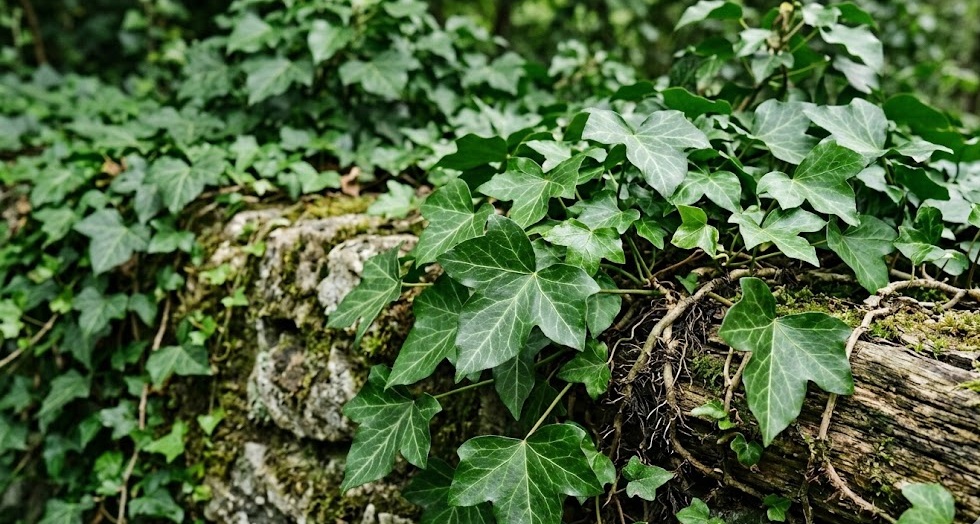

Maintaining a healthy ivy plant requires a deep understanding of its natural growth patterns and environmental needs. You must provide a stable environment where the plant can establish its extensive root system without constant disruption. Regular monitoring of the foliage helps you identify potential issues before they become significant problems for the plant’s health. Professional gardeners recommend a consistent routine that balances hydration, nutrition, and physical support for the climbing stems.
Establishing the ideal growing environment
Selecting the right location is the first step in ensuring your ivy thrives over many years of growth. You should consider the natural habitat of the plant, which usually involves forest floors and shaded vertical surfaces. The soil needs to be well-draining yet capable of retaining enough moisture to support the lush evergreen leaves. Providing a cool and humid atmosphere will significantly reduce the stress on the plant during the warmer summer months.
The structure upon which the ivy climbs plays a vital role in its long-term development and overall aesthetic appeal. You can use wooden trellises, brick walls, or even wire mesh to guide the vines as they expand. It is important to ensure these supports are sturdy enough to handle the increasing weight of the mature foliage. Regular checks of the attachment points will prevent the plant from pulling away or damaging the underlying surface material.
Soil quality should be monitored periodically to ensure the plant has access to the necessary minerals and trace elements. A mixture of loamy soil with a healthy amount of organic matter provides the best foundation for root expansion. You might find that adding a layer of mulch helps regulate the temperature around the base of the plant. Maintaining a slightly acidic to neutral pH level is generally considered the gold standard for most ivy varieties.
Air circulation is an often overlooked aspect of ivy care that can prevent many common fungal issues. You should avoid planting ivy in stagnant corners where moisture can sit on the leaves for extended periods. Providing enough space between the plant and other garden features allows for natural breeze to dry the foliage. This simple step creates a much more resilient plant that can withstand various environmental pressures throughout the seasons.
More articles on this topic
Routine maintenance for healthy foliage
Cleaning the leaves of your ivy is a professional technique that enhances both its appearance and its biological efficiency. Dust and urban pollutants can accumulate on the leaf surface, which hinders the vital process of photosynthesis. You can use a soft damp cloth to wipe indoor plants or a gentle spray of water for outdoor specimens. This practice also gives you an excellent opportunity to inspect the plant for any hidden pests or early disease signs.
Maintaining the desired shape of your ivy requires regular attention to the growing tips and trailing vines. You should gently guide new growth toward the support structure to ensure an even distribution of the green canopy. If the plant becomes too dense, removing some inner stems can improve light penetration to the lower sections. This proactive approach keeps the plant looking vibrant and prevents it from becoming a tangled, unmanageable mess in your garden.
Humidity levels are particularly important if you are growing your ivy as an indoor decorative element. Centrally heated homes often have very dry air, which can cause the leaf margins to turn brown and brittle. You can use a pebble tray filled with water or a dedicated humidifier to increase the local moisture levels. Misting the plant occasionally also mimics the dew it would receive in a natural woodland setting during the early morning.
Monitoring the growth rate provides valuable feedback on whether your care routine is meeting the plant’s specific needs. If you notice a sudden slowdown in development, it might be time to reassess the light or nutrient levels. Healthy ivy should produce consistent new growth during the primary spring and summer growing seasons. Understanding these natural cycles allows you to adjust your interventions to work in harmony with the plant’s biological clock.
More articles on this topic
Understanding the soil requirements
The foundation of any successful ivy display lies within the quality and composition of the soil in which it resides. You should strive for a medium that offers a balance between moisture retention and essential aeration for the root system. Compacted soil can lead to root suffocation, so incorporating perlite or coarse sand is often a very beneficial strategy. Professional growers always emphasize that the soil should feel crumbly and rich when you handle it with your hands.
Nutrient availability is closely tied to the organic content present in the potting mix or the garden bed. You can improve the soil structure by adding well-rotted compost or leaf mold at least once a year. This natural enrichment process supports the complex microbial life that helps the plant absorb nutrients more effectively. A healthy soil biome is the secret weapon for any gardener looking to grow exceptionally robust and green ivy.
Drainage is perhaps the most critical factor when considering the long-term survival of your ivy plants in various containers. You must ensure that every pot has functional drainage holes to prevent the accumulation of stagnant water at the bottom. Waterlogged soil quickly leads to root rot, which is often fatal before the symptoms appear on the upper leaves. Testing the drainage capacity before planting will save you a lot of frustration and potential plant loss in the future.
Temperature regulation within the root zone can be managed effectively through the careful selection of mulch and planting depth. You should avoid planting ivy in shallow containers that can heat up rapidly under the direct summer sun. A thick layer of bark mulch protects the roots from extreme temperature fluctuations and helps keep the soil moist. This protective barrier also discourages the growth of competing weeds that could steal valuable resources from your ivy.
Managing growth and physical support
As ivy matures, its weight and vigor increase, requiring a reliable system of physical support to maintain its vertical climb. You should choose materials that are resistant to rot and can withstand the outdoor elements for many years. Metal cables or pressure-treated wood are excellent choices for creating a long-lasting framework for your climbing vines. Regularly checking the integrity of these supports ensures the safety of both the plant and the surrounding structures.
Guiding the stems during the early stages of growth establishes the eventual form and density of the green wall. You can use soft garden ties to gently secure the primary vines to the trellis without damaging the delicate plant tissue. Once the aerial roots take hold, the ivy will become more self-sufficient, but occasional guidance is still recommended. This hands-on approach prevents the plant from encroaching on windows, gutters, or other sensitive areas of your home.
Thinning out the canopy is a professional task that should be performed to maintain the overall health of the entire plant. You should remove any dead or damaged wood to allow the plant to focus its energy on healthy, productive growth. This process also improves the light levels for the leaves located deeper within the dense foliage of the ivy. A well-maintained canopy is less likely to harbor pests and provides a much more attractive visual display.
Ground cover ivy requires a different management style compared to vertical climbers to prevent it from becoming invasive. You should define the boundaries of the planting area and regularly trim any stems that attempt to stray beyond them. Using physical edging materials can help contain the root system and keep the ivy within its designated garden space. Consistent monitoring ensures that the ivy remains a beautiful feature rather than an overwhelming problem for your landscaping.
Seasonal care adjustments
The transition between seasons requires a shift in your ivy care routine to accommodate the changing environmental conditions. During the spring, you should focus on supporting new growth through increased hydration and the application of balanced nutrients. This is the time when the plant is most active and can recover quickly from any necessary maintenance pruning. Watching the weather patterns will help you determine the best moment to start your intensive seasonal care program.
Summer care is primarily centered around moisture management and protecting the foliage from the intensity of the midday sun. You might need to increase the frequency of your watering sessions to compensate for the higher rates of evaporation. Providing temporary shade for younger plants can prevent the delicate new leaves from suffering from unsightly heat scorch. Keeping the root zone cool with mulch is especially important during prolonged periods of high temperatures and dry winds.
As autumn approaches, you should gradually reduce the intensity of your fertilization to allow the plant to prepare for dormancy. This period is ideal for a final inspection of the support structures before the onset of potentially harsh winter weather. You can also take this opportunity to clean up any fallen debris that might have collected around the base of the ivy. Preparing the plant for the colder months ensures it has the best possible chance of surviving the winter unscathed.
Winter care for ivy involves minimal intervention but requires careful monitoring of the moisture levels in the soil. You should avoid watering the plant when the ground is frozen, as the roots cannot absorb the liquid effectively. However, if the winter is particularly dry and the ground is thawed, a light watering might be necessary. Protecting outdoor plants from drying winds can prevent the evergreen leaves from turning brown and losing their ornamental value.
Optimizing indoor ivy health
Growing ivy indoors offers a unique set of challenges that differ significantly from the conditions found in a traditional garden. You must be mindful of the lower light levels typically found inside residential buildings and offices. Placing your ivy near a north-facing window usually provides the consistent, indirect light that these plants prefer. Rotating the pot every few weeks ensures that all sides of the plant receive an equal amount of illumination.
Air quality and temperature stability are key factors in maintaining a lush and vibrant indoor ivy specimen. You should keep the plant away from drafty windows or direct heat sources like radiators and air conditioning vents. Sudden temperature changes can cause the plant to drop its leaves as a stress response to the unstable environment. A consistent room temperature between 15 and 22 degrees Celsius is generally ideal for most indoor ivy varieties.
Potting and repotting are essential tasks that must be performed as the ivy outgrows its current container. You should look for signs such as roots emerging from the drainage holes or a noticeable slowdown in growth. Choosing a pot that is only one size larger than the current one prevents the soil from staying too wet. Fresh potting soil provides a renewed supply of nutrients and improves the aeration around the expanding root system.
Pest management in an indoor setting requires a vigilant eye and a quick response to any signs of infestation. You should regularly check the undersides of the leaves for spider mites or scale insects, which thrive in dry indoor air. Using a gentle soap solution can often resolve minor pest problems without the need for harsh chemical treatments. Keeping the plant clean and well-hydrated is the best defense against the most common indoor horticultural pests.
Enhancing the aesthetic value of ivy
Ivy is a versatile plant that can be used to create a wide variety of visual effects in both formal and informal gardens. You can use it to soften the hard lines of a modern building or to add a touch of classic elegance to a stone wall. Combining different varieties with varying leaf shapes and colors creates a rich and interesting texture in your landscape. The evergreen nature of the plant ensures that your garden remains green and inviting even during the winter.
Topiary art is another creative way to utilize the flexible and fast-growing nature of the ivy plant. You can train the vines over wire frames shaped like spheres, pyramids, or even more complex animal figures. This technique requires regular clipping and guidance to maintain the crisp outlines of the chosen design. A well-executed ivy topiary serves as a stunning focal point in any garden or interior design scheme.
Variegated ivy varieties add a splash of color and brightness to the darker corners of your outdoor living spaces. You should be aware that these types often require slightly more light to maintain their unique white or yellow markings. If the light levels are too low, the plant might revert to a solid green color to maximize its energy production. Selecting the right variety for each specific location ensures that the aesthetic goals of your project are fully met.
Using ivy as a living mulch or ground cover provides a practical and beautiful solution for difficult areas of the garden. It is particularly effective on steep slopes where other plants might struggle to establish a firm hold in the soil. The dense mat of foliage suppresses weed growth and helps prevent soil erosion during heavy rainfall events. This functional beauty is one of the many reasons why ivy remains a favorite among professional landscapers and home gardeners alike.