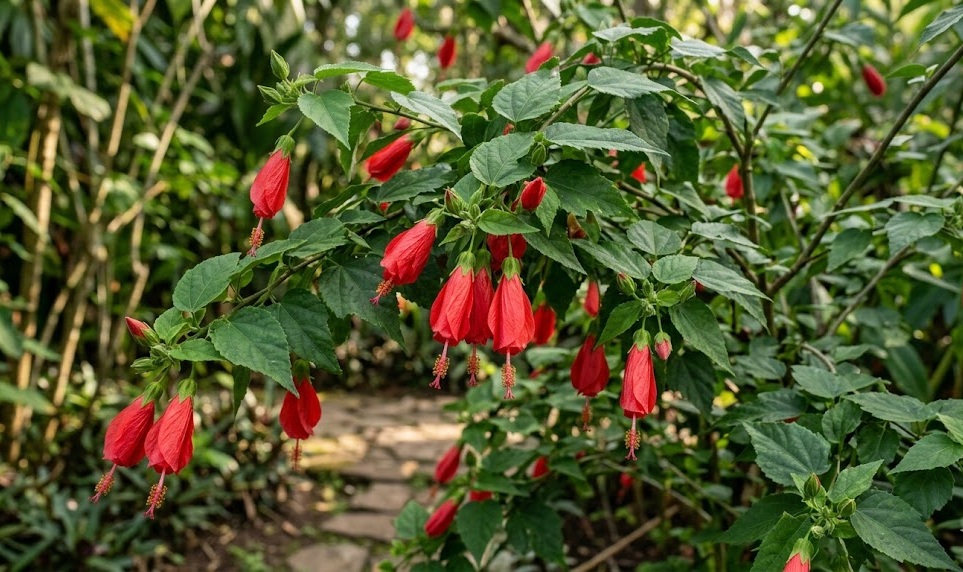

The light requirements of the sleeping hibiscus are among the most important factors to consider when deciding where to place this vibrant shrub in your garden or home. As a tropical species, it has evolved to thrive in environments where sunlight is both intense and plentiful, driving the energy-intensive process of continuous flowering. Without adequate light, the plant will struggle to produce its unique red blossoms and may become weak and susceptible to various health issues. Professional gardeners prioritize light exposure as the foundation of a successful cultivation strategy for any hibiscus variety.
Sunlight provides the fuel for photosynthesis, which is the biological engine that allows the plant to create the sugars and starches it needs to grow. For the sleeping hibiscus, this means that the quantity and quality of light directly correlate with the density of its foliage and the number of flower buds it sets. While it is a remarkably adaptable plant, there are specific thresholds of light intensity that must be met for it to reach its full ornamental potential. Understanding these limits will help you avoid the common pitfalls of poor growth and lackluster blooming.
In addition to intensity, the duration of light exposure—often referred to as the photoperiod—also plays a role in the plant’s seasonal rhythms. During the long days of summer, the plant is in its peak production phase, while the shorter days of autumn signal it to slow down and prepare for rest. If you are growing the plant indoors or in a greenhouse, you may need to supplement natural light with artificial sources to maintain this cycle. This level of environmental control is what allows professionals to produce stunning specimens even in less-than-ideal climates.
This article explores the nuances of light management for the sleeping hibiscus, from the benefits of full sun to the challenges of partial shade. We will also look at how to recognize the signs that your plant is not receiving enough light and how to make the necessary adjustments. By mastering the light requirements of this species, you can ensure that your garden remains filled with the vibrant color and unique texture that only the sleeping hibiscus can provide. Lighting is the key to unlocking the true beauty of this tropical wonder.
Maximizing sunlight for peak blooming
To achieve the most prolific display of flowers, the sleeping hibiscus should ideally be placed in a location that receives full sun for most of the day. In professional terms, this means at least six to eight hours of direct, unfiltered sunlight during the peak of the growing season. Full sun exposure ensures that the plant has ample energy to support the rapid development of new stems and the continuous production of its signature closed blossoms. You will notice that plants in sunny spots have shorter internodes, leading to a much denser and more attractive appearance.
More articles on this topic
The quality of morning sun is particularly beneficial, as it helps dry any dew from the leaves and starts the process of photosynthesis early in the day. A south-facing or west-facing position is usually the best choice for providing the intense light that tropical plants crave. If the plant is shaded by large trees or buildings for part of the day, it may still grow well, but the flowering will likely be less intense. In very hot climates, however, some light afternoon shade can prevent the leaves from scorching during the most intense heat of mid-summer.
Light intensity also affects the color of both the foliage and the flowers, with more sunlight generally leading to deeper, more vibrant hues. The dark green of the leaves becomes more pronounced, providing a stunning contrast to the bright red of the never-opening flower buds. If the light is too low, the leaves may become a lighter, more yellowish green, and the flowers may appear pale or even fail to develop their full color. Observing these subtle color shifts is a great way to gauge whether your plant’s lighting needs are being met.
When planning your garden layout, consider how the light changes throughout the year as the sun’s path across the sky shifts with the seasons. A spot that is in full sun in June might be in deep shadow by September as the sun moves lower and the shadows of nearby trees get longer. Professional gardeners often use light meters or simply observe their garden at different times of the year to ensure their sun-loving plants aren’t left in the dark. This forward-thinking approach to light management is essential for maintaining a healthy and productive hibiscus.
Managing partial shade and lower light
While the sleeping hibiscus is a sun-lover at heart, it does possess a surprising degree of tolerance for partial shade compared to many other tropical shrubs. In a spot with dappled sunlight or “bright shade,” the plant will still grow and produce foliage, making it a useful option for those with less-than-perfect garden conditions. However, you must be prepared for some trade-offs in terms of the plant’s overall form and the abundance of its flowers. A shaded plant will typically be more “leggy,” with longer stems and fewer leaves, as it reaches toward the available light.
More articles on this topic
If you must grow your hibiscus in a partially shaded area, you can compensate for the lower light levels by being extra diligent with other aspects of its care. Ensure that the soil is of the highest quality and that the plant is never stressed by a lack of water or nutrients, which would further weaken its already reduced energy levels. You might also want to prune the plant more frequently to encourage branching and prevent it from becoming too sparse and unattractive. Proper maintenance can help a shade-grown plant look much better than it would if left to its own devices.
One common issue with growing tropical plants in lower light is that the foliage stays wet for much longer after a rain or watering, increasing the risk of fungal diseases. In a shaded spot, air circulation becomes even more critical for keeping the leaves dry and preventing issues like powdery mildew or leaf spot. When choosing a partially shaded location, look for an open area that still receives a good breeze rather than a stagnant corner. This combination of lower light and good airflow is the best compromise for the plant’s health.
Recognizing when the light is simply too low for the plant to survive is an important skill for any professional gardener to develop. If the plant stops producing any new growth at all and the existing leaves start to fall off, it is a clear sign that it has reached its limit. You might also see the stems becoming very thin and weak, unable to support their own weight even without the burden of flowers. In these cases, the only solution is to move the plant to a brighter location or to provide supplemental lighting if it is being grown indoors.
Indoor and supplemental lighting strategies
Growing the sleeping hibiscus indoors presents a unique challenge because even the brightest window provides only a fraction of the light available outdoors. To keep the plant healthy and potentially even flowering inside, you must place it directly in front of your sunniest window, usually one that faces south. Even then, the light is only coming from one direction, so you should rotate the pot every few days to ensure the plant grows symmetrically. Without this rotation, the plant will quickly lean toward the glass and lose its attractive shape.
Supplemental lighting can be a game-changer for indoor tropical plants, especially during the short, gray days of winter when natural light is at its lowest. LED grow lights are a popular and energy-efficient choice for providing the specific wavelengths of light that plants need for photosynthesis. You can set these lights on a timer to provide a consistent “day” of twelve to fourteen hours, helping the plant maintain its natural rhythms. Positioning the lights just a few inches above the foliage ensures that the plant receives the maximum intensity without the risk of heat damage.
When using artificial lights, it is important to choose a “full-spectrum” bulb that mimics the natural balance of the sun’s rays. This ensures that the plant receives both the blue light needed for leafy growth and the red light that encourages flowering and stem development. Many modern grow lights allow you to adjust the intensity and the color balance, giving you professional-level control over your plant’s environment. This level of technology has made it possible to grow beautiful tropical specimens in almost any indoor setting, regardless of the local climate.
Finally, keep in mind that light intensity drops off very quickly as the distance from the light source increases, whether it’s a window or a grow light. A plant that is just a few feet away from a sunny window receives significantly less energy than one that is right up against the glass. By being mindful of these physics and using supplemental lighting where necessary, you can enjoy the lush beauty of the sleeping hibiscus year-round. Lighting is not just a requirement; it is a tool that you can use to create the perfect environment for your tropical collection.