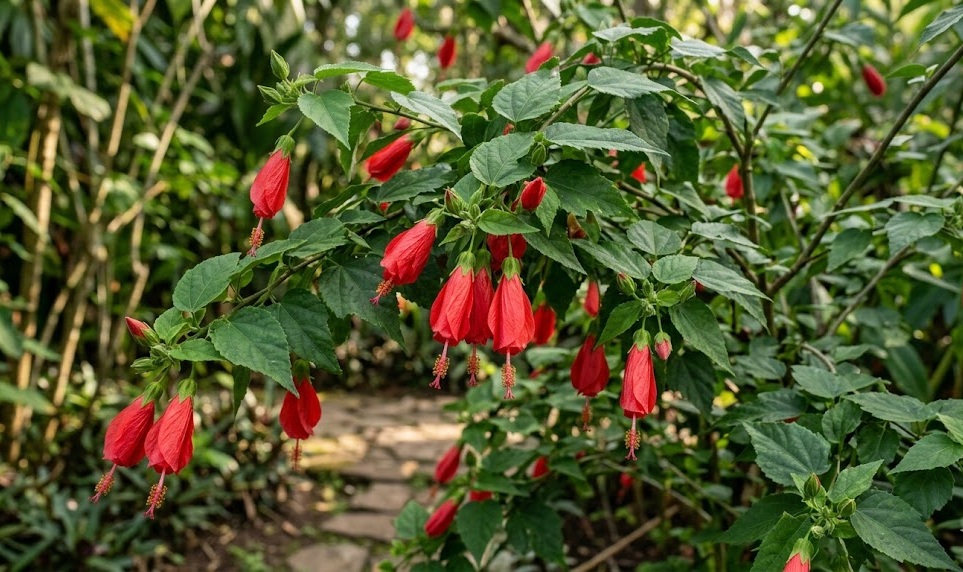

Keeping your sleeping hibiscus healthy involves more than just watering and feeding; it also requires a vigilant eye for the various pests and diseases that can affect tropical shrubs. While this species is relatively hardy compared to some of its more delicate relatives, it is not entirely immune to the challenges of the natural world. Insects and fungal pathogens are often drawn to the lush foliage and nectar-rich flowers that the plant produces throughout the summer. Understanding how to identify, prevent, and treat these issues is a fundamental part of professional plant care and ensures the longevity of your garden specimens.
The first step in any pest management strategy is regular inspection, as catching an infestation early makes it much easier to control. Pests often hide in the most inconspicuous places, such as the undersides of leaves or deep within the clusters of developing flower buds. By making a habit of checking your plant every time you water, you can spot the tiny signs of trouble before they turn into a major problem. This proactive approach is the most effective way to minimize damage and keep your plant looking its absolute best.
Diseases in the sleeping hibiscus are often related to environmental conditions, particularly the balance between humidity and airflow. Fungal infections thrive in warm, damp environments where the air is stagnant, making proper spacing and pruning essential for prevention. If a disease does take hold, it can spread quickly through the foliage, leading to unsightly spots or even complete defoliation if left untreated. Knowing the difference between a simple environmental stress and a genuine pathogen is key to choosing the right course of action.
This article provides a comprehensive overview of the most common pests and diseases that target the sleeping hibiscus and how to manage them professionally. We will cover organic and chemical control methods, as well as the cultural practices that can make your plant less attractive to invaders. With the right knowledge and tools, you can protect your investment and enjoy the unique beauty of this plant without the stress of constant plant health issues. A healthy plant is its own best defense, and your care provides the foundation for that resilience.
Common pests and their identification
Aphids are perhaps the most frequent visitors to the sleeping hibiscus, often clustering on the tender new growth at the tips of the branches. These tiny, soft-bodied insects come in various colors, but they are most commonly green or black when found on this specific host. They feed by sucking the sap from the plant, which can cause the leaves to become distorted, curled, or covered in a sticky substance called honeydew. If you see ants crawling up the stems of your plant, it is often a sign that they are “farming” aphids for this sweet secretion.
More articles on this topic
Spider mites are another common pest, especially during hot, dry periods when the plant might be slightly stressed by a lack of moisture. These pests are so small they are difficult to see with the naked eye, but their presence is revealed by fine webbing between the leaves and stems. They cause a characteristic “stippling” effect on the leaves, where tiny yellow or white dots appear as they drain the chlorophyll from the plant cells. If left unchecked, a spider mite infestation can quickly lead to a bronzed appearance of the foliage and significant leaf drop.
Whiteflies are tiny, moth-like insects that often take flight in a cloud when the plant’s branches are disturbed or shaken. Like aphids, they feed on the sap and produce honeydew, which can lead to the growth of black sooty mold on the surface of the leaves. They are usually found on the undersides of the foliage, where they lay their eggs and complete their life cycle in a relatively short amount of time. Their rapid reproduction rate means that a small population can become a major infestation in just a couple of weeks if the conditions are right.
Mealybugs and scale insects are less common but can be more difficult to eradicate due to their protective waxy coatings. Mealybugs look like small, white tufts of cotton hidden in the leaf axils or along the stems of the plant. Scale insects appear as small, stationary bumps that can be brown, gray, or white, often blending in with the bark of the shrub. Both of these pests are sap-suckers and can significantly weaken the plant over time if they are allowed to build up their numbers.
Identifying and managing fungal diseases
Leaf spot diseases are the most common fungal issues you will likely encounter when growing the sleeping hibiscus in a humid climate. These appear as circular or irregular brown, black, or tan spots on the foliage, often with a yellow halo around the edges. As the disease progresses, the spots can merge together, causing large areas of the leaf to die and eventually fall off. To manage this, remove any affected leaves immediately and improve the air circulation around the plant to help the foliage dry out faster.
More articles on this topic
Powdery mildew is another fungal pathogen that manifests as a white, flour-like dusting on the surface of the leaves and stems. It usually appears during periods of high humidity combined with cool nights, which are perfect conditions for the spores to germinate. While it rarely kills the plant, it can significantly detract from its appearance and reduce its ability to photosynthesize effectively. Increasing the light exposure and ensuring the plant has plenty of space will often help keep this particular fungus under control naturally.
Root rot is a much more serious condition that is almost always caused by overwatering or poor drainage in the soil. The first signs are often a general wilting of the plant even when the soil is wet, as the damaged roots can no longer take up water. If you were to dig up the plant, you would find that the roots are mushy, dark brown or black, and have a foul, rotten smell. Preventing root rot is much easier than treating it, so always ensure your soil is well-aerated and your pots have excellent drainage.
Botrytis blight, also known as gray mold, can sometimes affect the flower buds of the sleeping hibiscus during particularly rainy or humid spells. The buds may turn brown and mushy and become covered in a fuzzy gray fungal growth that prevents them from developing further. This disease can spread rapidly to the stems and leaves if the infected flowers are not removed and destroyed. Keeping the area under the plant clean of fallen debris is an important step in breaking the life cycle of this and many other fungal pathogens.
Organic and cultural control methods
The most effective way to manage pests and diseases organically is to maintain a healthy, vigorous plant through proper cultural practices. A plant that is correctly watered, fed, and pruned will have a stronger immune system and be less attractive to opportunistic pests. Stressed plants emit chemical signals that insects can detect, essentially inviting them to feed on the weakened tissues. By focusing on the fundamentals of care, you are already performing the most important part of integrated pest management.
Biological control involves using natural predators to keep the pest populations in your garden at a manageable level. Encouraging ladybugs, lacewings, and predatory mites can provide a constant and effective defense against aphids and spider mites. You can attract these beneficial insects by planting a variety of flowers nearby and avoiding the use of broad-spectrum pesticides that kill both friends and foes. In many cases, a healthy garden ecosystem will balance itself out without any need for human intervention.
For immediate action against soft-bodied insects, a strong stream of water from a garden hose can be surprisingly effective at dislodging pests. This mechanical control method works well for aphids and spider mites, and it also helps wash away honeydew and dust from the foliage. Neem oil and insecticidal soaps are other excellent organic options that work by suffocating the insects or disrupting their life cycles. These products are generally safe for the environment and for beneficial insects if they are applied according to the label instructions.
Hand-picking larger pests or pruning out heavily infested branches is another simple but effective organic strategy for the home gardener. If you see a small cluster of mealybugs or a single branch covered in scale, it is often easier to just remove that specific part of the plant. Always dispose of infested material in the trash rather than the compost pile to prevent the pests from returning to your garden later. This targeted approach minimizes the impact on the rest of the plant and the surrounding environment.
Professional chemical treatment options
When an infestation or disease becomes too severe for organic methods to handle, you may need to turn to professional-grade chemical treatments. Systemic insecticides are products that are absorbed by the plant’s roots or leaves and transported throughout its entire system. This means that any insect feeding on the plant, even those hidden deep within the foliage, will be affected by the treatment. Systemics are particularly useful for persistent pests like scale or whiteflies that are difficult to reach with topical sprays.
Contact insecticides, such as pyrethrins or synthetic pyrethroids, work by killing the insects as soon as they come into contact with the chemical. These are best used for rapid “knockdown” of large populations of visible pests like aphids or beetles that are actively feeding on the plant. Because these products don’t last long in the environment, you may need to reapply them several times to catch new generations of pests as they hatch. Always wear protective clothing and follow safety protocols when using any concentrated chemical products in your garden.
Fungicides can be used both as a preventative measure and as a treatment for existing fungal infections on your sleeping hibiscus. Copper-based or sulfur-based sprays are common choices for managing leaf spots and powdery mildew in a professional setting. For more serious issues like root rot, there are specific soil drench fungicides that can help save a valuable plant if the damage is caught early enough. It is important to rotate the types of fungicides you use to prevent the pathogens from developing resistance to any single chemical.
The key to successful chemical use is proper timing and thorough coverage of the entire plant, including the undersides of the leaves. Many gardeners make the mistake of only spraying the tops of the leaves, leaving a safe haven for pests to continue breeding and feeding. You should also avoid spraying during the heat of the day or when pollinators are most active to minimize the risk of plant burn and environmental harm. Used responsibly and as a last resort, chemical treatments are a valuable tool in the professional gardener’s arsenal.
Long-term prevention and plant health
The ultimate goal of any plant health program is to create a garden environment where pests and diseases are unlikely to take hold in the first place. This begins with proper site selection and soil preparation, as we have discussed, to ensure the plant has the best possible start. Maintaining a clean garden area by removing fallen leaves and spent flowers reduces the places where pests can hide and disease spores can overwinter. Good hygiene is just as important in the garden as it is in any other professional environment.
Proper pruning also plays a vital role in prevention by opening up the center of the shrub and allowing light and air to reach all parts of the plant. This reduces the humidity levels within the canopy and makes it much harder for fungi like powdery mildew to establish themselves. It also makes it easier for you to see into the plant and spot any early signs of pest activity that might otherwise be hidden. A well-pruned sleeping hibiscus is not only more beautiful but also much more resilient to the challenges of its environment.
Regular soil testing and balanced fertilization ensure that the plant has all the micronutrients it needs to build strong cell walls and defensive chemicals. A plant that is deficient in certain minerals will be much more susceptible to attack from both insects and pathogens. Think of fertilization as providing the vitamins and minerals that keep the plant’s immune system functioning at its peak. Avoid over-fertilizing with nitrogen, as the resulting soft, succulent growth is exactly what many pests prefer to feed on.
Finally, quarantine any new plants before introducing them to your established garden to ensure they aren’t bringing in any unwanted hitchhikers. It is much easier to treat a single pot in isolation than it is to deal with an outbreak that has spread to all your valuable specimens. By following these professional guidelines and staying observant, you can enjoy the unique and captivating beauty of the sleeping hibiscus with confidence. A little bit of prevention goes a long way in ensuring a healthy and vibrant tropical garden for many years to come.