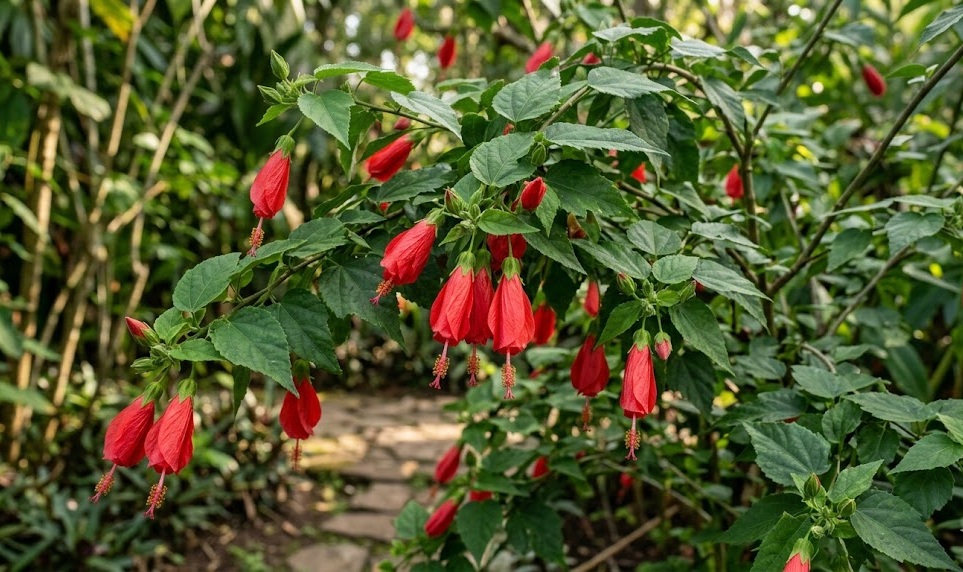

Properly managing the hydration and nutritional needs of the sleeping hibiscus is essential for maintaining its lush appearance and prolific blooming cycle. As a tropical species, this plant has specific requirements that differ from many common temperate shrubs, making a tailored approach necessary for success. Consistency is the most important factor when it comes to both watering and fertilization, as sudden changes can stress the plant and affect its health. By understanding the biological rhythms of the hibiscus, you can provide the exact care it needs to thrive in your specific environment.
Watering is not just about the amount of liquid provided, but also about the timing and the method used to deliver it to the roots. The sleeping hibiscus prefers soil that is kept evenly moist but never allowed to become a swamp-like environment where oxygen is absent. During the peak of the growing season, the plant’s demand for water increases significantly due to higher temperatures and rapid growth. Failing to meet this demand can result in dropped buds and yellowing leaves, which detracts from the plant’s ornamental value.
Fertilization provides the chemical building blocks necessary for the plant to produce its vibrant foliage and unique red flowers. Without a steady supply of nutrients, the plant may become stunted and lose its ability to resist pests and diseases effectively. However, over-fertilizing can be just as damaging as under-feeding, often leading to salt buildup in the soil and burned root tips. A balanced, professional approach to feeding involves understanding the different types of fertilizers and when they are most effective.
This article explores the nuances of keeping your sleeping hibiscus well-hydrated and properly nourished throughout the entire year. We will discuss the signs of both over-watering and nutrient deficiencies, allowing you to act quickly before any permanent damage occurs. With a dedicated routine, you can ensure that your plant remains a vigorous and healthy part of your landscape for many seasons. Mastery of these two fundamental care aspects is the hallmark of an experienced and successful gardener.
Understanding water requirements
The sleeping hibiscus is a thirsty plant, especially when it is actively growing and producing its signature closed-form blossoms. It possesses a large leaf surface area, which means it loses a significant amount of water through transpiration during hot, sunny days. To compensate for this loss, the soil must contain a reservoir of moisture that the roots can access at all times. In the height of summer, this may mean a deep watering every two to three days for plants in the ground, and daily for those in pots.
More articles on this topic
When you water, it is better to provide a deep soak that reaches the lower root zone rather than a shallow sprinkle on the surface. Deep watering encourages the roots to grow further down into the soil, which makes the plant more resilient to short periods of drought. You should apply water slowly at the base of the plant to allow it to penetrate the soil rather than running off the surface. Using a soaker hose or a drip irrigation system can be a very effective and water-efficient way to manage this task.
Monitoring the moisture level of the soil is a skill that every gardener should practice by using their hands rather than just looking at the surface. Often, the top inch of soil can appear dry while the area around the roots is still perfectly moist, or vice versa. Insert your finger into the soil to a depth of about two inches; if it feels dry at that level, it is time to water again. Over time, you will learn to recognize the subtle changes in leaf color or posture that indicate the plant is starting to feel thirsty.
It is also important to consider the quality of the water you are using, as the sleeping hibiscus can be sensitive to high levels of chlorine or salts. If you use tap water, letting it sit in a bucket for 24 hours can help some of the chemicals dissipate before you apply it to the plant. Rainwater is always the best choice for tropical plants, as it is naturally soft and contains no harsh additives from municipal processing. Collecting rainwater in a barrel is an environmentally friendly way to provide the highest quality hydration for your garden.
Seasonal watering adjustments
As the seasons change, so do the physiological needs of the sleeping hibiscus, and your watering routine must adapt accordingly. In the spring, as the plant wakes up from its dormant or semi-dormant state, you should gradually increase the frequency of watering. This supports the initial burst of growth and helps the plant build up the energy reserves it will need for the upcoming flowering season. Keep a close eye on the weather during this transition, as spring rains can sometimes do the work for you.
More articles on this topic
During the intense heat of mid-summer, the plant’s water consumption reaches its absolute peak, and it has very little tolerance for drying out. You might notice that the leaves droop slightly in the afternoon sun even if the soil is moist, which is a natural defense mechanism to reduce water loss. However, if the plant remains wilted into the evening, it is a clear sign that the roots cannot keep up with the demand and immediate watering is needed. Consistency during this period is what prevents the premature dropping of those beautiful red flower buds.
When autumn arrives and the temperatures begin to cool, the plant’s growth rate naturally slows down, and its demand for water decreases. You should slowly reduce the frequency of irrigation to allow the plant to prepare for its winter rest period. Waterlogged soil in the cool autumn air is a recipe for root rot, so it is better to lean on the side of slightly drier soil during this time. The goal is to keep the plant hydrated without stimulating late-season growth that would be tender and easily damaged by cold.
In the winter, watering should be kept to a minimum, especially if the plant is being kept in a cool environment indoors or in a greenhouse. The roots only need enough moisture to stay alive, as the plant is not actively producing new foliage or flowers. Check the soil once every week or two and only provide a small amount of water if the soil feels completely dry several inches down. This period of reduced hydration is essential for the plant’s natural life cycle and prepares it for a vigorous return in the spring.
Fertilizer types and their benefits
Choosing the right fertilizer for your sleeping hibiscus can make a significant difference in how many flowers it produces and how healthy its foliage remains. Most professionals recommend a balanced, water-soluble fertilizer with an N-P-K ratio that supports both green growth and flowering. A formula such as 10-10-10 or 20-20-20 is a safe and effective choice for general maintenance throughout the growing season. Nitrogen (N) promotes leaf growth, phosphorus (P) supports root and flower development, and potassium (K) improves overall plant health and stress resistance.
In addition to the primary macronutrients, the sleeping hibiscus also benefits from secondary nutrients like magnesium and iron. If the leaves start to look a bit yellow while the veins stay dark green, the plant might be suffering from a magnesium deficiency. Epsom salts (magnesium sulfate) can be dissolved in water and applied once or twice a year to correct this common issue and restore the deep green color. Iron chelates can also be used if the soil is slightly too alkaline, which often blocks the plant’s ability to absorb iron naturally.
Slow-release granular fertilizers are an excellent option for gardeners who prefer a more “hands-off” approach to plant nutrition. These products are applied to the surface of the soil and slowly break down over several months, providing a steady stream of nutrients every time you water. This prevents the “boom and bust” cycle that can sometimes happen with liquid fertilizers if they are not applied on a strict schedule. Combining a slow-release base with occasional liquid feedings during the peak of summer can provide the best of both worlds.
Organic fertilizers, such as fish emulsion, seaweed extract, or well-rotted compost, are also highly beneficial for long-term soil health. These products not only feed the plant but also improve the structure of the soil and encourage beneficial microbial life. While they may not provide as immediate a boost as synthetic fertilizers, they contribute to a more resilient and sustainable garden ecosystem. Using a mix of organic and inorganic feeds is often the strategy used by top-tier botanical gardens to achieve the best results.
Feeding schedule and techniques
The timing of your fertilizer applications is just as important as the type of product you choose to use on your hibiscus. You should start feeding the plant in early spring as soon as you see the first signs of new green growth emerging from the stems. This initial application provides the fuel needed for the plant to recover from winter and start building its structure for the year. A high-nitrogen feed at this stage can be particularly helpful for establishing a lush canopy of leaves before the flowers appear.
Once the plant begins to produce flower buds, you should switch to a consistent feeding schedule every two to three weeks. If you are using a liquid fertilizer, it is always best to apply it to moist soil rather than bone-dry earth to prevent root burn. Watering the plant thoroughly before fertilizing ensures that the nutrients can be evenly distributed throughout the root zone and easily absorbed. Always follow the manufacturer’s instructions regarding dosage, as more is definitely not better when it comes to chemical fertilizers.
During the most intense part of the summer, you can continue this regular feeding to support the continuous production of flowers. The sleeping hibiscus is a heavy feeder because it never truly stops growing until the weather cools down in the autumn. However, if the plant is under extreme heat stress or if you have forgotten to water it, skip the fertilizer until the plant has recovered. Applying nutrients to a stressed plant can sometimes do more harm than good by forcing it to grow when it should be conserving energy.
As the days shorten and autumn approaches, you must stop fertilizing the plant to allow it to enter its natural dormancy. Continued feeding into the late autumn can stimulate soft, new growth that will be the first thing to die when the temperature drops. A final application of a potassium-heavy fertilizer in early autumn can help strengthen the plant’s cell walls and improve its cold hardiness. This “winterizing” feed is a professional secret for helping tropical plants survive the challenges of the cooler months.
Signs of nutrient and water issues
Being able to identify the early warning signs of care issues will help you keep your sleeping hibiscus in peak condition. If you notice the leaves are turning yellow and dropping off starting from the bottom of the plant, you are likely overwatering. The roots are likely struggling to breathe in saturated soil, leading to a slow decline in the plant’s overall health and vigor. On the other hand, if the leaves are turning brown and crispy at the edges, the plant is probably not getting enough water or the humidity is too low.
Nutrient deficiencies also show up in the leaves, but they usually have very specific patterns that help you diagnose the problem. A lack of nitrogen will cause the entire plant to look pale and yellowish, with very little new growth appearing on the stems. If the plant has plenty of leaves but refuses to produce any flowers, it might be getting too much nitrogen and not enough phosphorus. Adjusting your fertilizer balance based on these visual cues is the most effective way to manage the plant’s nutritional health.
Salt buildup can occur if you fertilize frequently without occasionally flushing the soil with plain, fresh water. This often shows up as a white crust on the surface of the soil or as “burned” tips on the leaves that look like they’ve been scorched. To fix this, simply give the plant a very long, deep watering with plain water to wash the excess salts out of the root zone. This “leaching” process should be done every few months, especially for plants that are grown in containers where salts accumulate more quickly.
Finally, keep an eye out for sudden wilting that doesn’t improve after watering, as this could indicate a more serious problem like root rot or a pest infestation. If the soil is wet but the plant still looks thirsty, the roots may have stopped functioning entirely due to disease. In such cases, it is best to stop watering immediately and let the soil dry out significantly before attempting any further care. By staying observant and responding quickly to these signals, you can maintain a beautiful and healthy sleeping hibiscus for years.