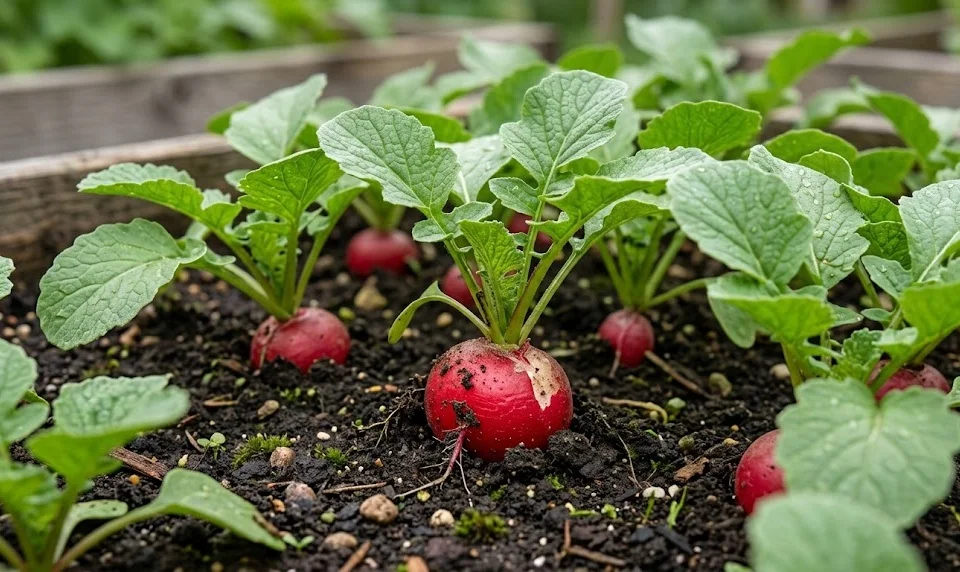

Proper radish care starts with understanding the specific environmental needs of these fast-growing root vegetables. You should prioritize maintaining a consistent soil moisture level to prevent the roots from becoming woody or overly pungent. It is essential to monitor the ground temperature as radishes prefer cooler conditions for optimal development. By paying close attention to these initial factors, you lay the groundwork for a successful and crunchy harvest.
Effective soil management involves more than just planting seeds in the ground and hoping for the best results. You need to ensure the earth is loose and free of large stones that could obstruct root expansion. Regularly aerating the top layer of the soil helps oxygen reach the root zone more efficiently. Adding a layer of organic compost before the season begins provides the necessary nutrients for steady growth.
Thinning is a critical step in the care process that many beginner gardeners often overlook or avoid doing. You must remove the weaker seedlings to allow enough space for the healthier ones to expand fully. If the plants are too crowded, the roots will remain small and misshapen regardless of the nutrients provided. Aim for a distance of at least two inches between each plant to ensure they have room to breathe.
Mulching serves as a protective barrier that helps regulate the soil environment throughout the growing cycle. You can use organic materials like straw or shredded leaves to keep the root zone cool during warmer days. This practice also suppresses weed growth which would otherwise compete with your radishes for water and minerals. Applying mulch early in the season saves you significant time and effort in long-term maintenance.
Managing soil health and nutrients
Maintaining the health of your soil requires a proactive approach to nutrient balance and structural integrity. You should test your soil regularly to determine if the pH level falls within the ideal range for root crops. If the soil is too acidic or alkaline, the plants will struggle to absorb the minerals they need. Incorporating well-rotted manure can improve the texture and water-holding capacity of sandy or clay-heavy soils.
More articles on this topic
Consistency is the most important factor when it comes to the moisture content of your garden beds. You must avoid the cycle of letting the soil dry out completely and then soaking it heavily with water. This irregular watering schedule often causes the radish roots to crack and lose their desirable texture. Using a drip irrigation system can help you maintain a steady flow of moisture to the plants without extra labor.
Nitrogen management is a delicate balance that affects the ratio of leaf growth to root development. You should be careful not to over-fertilize with high-nitrogen products as this promotes excessive foliage at the expense of the bulb. Focus on balanced fertilizers that provide a steady supply of energy throughout the short growing season. Observing the color of the leaves can give you clues about whether the plants are getting enough nutrition.
Soil aeration is another factor that directly impacts how well your radishes will grow in the ground. You should use a garden fork to gently loosen the soil around the rows without disturbing the delicate roots. This process prevents the ground from becoming too compacted after heavy rains or frequent foot traffic. Well-aerated soil allows for better drainage and reduces the risk of root rot during wet periods.
Essential thinning practices
The process of thinning seedlings is vital for ensuring that every radish has the resources it needs to thrive. You should start this task as soon as the first true leaves appear on the young plants. Gently pulling out the smaller sprouts prevents the root systems from becoming entangled with their neighbors. This early intervention is the most effective way to guarantee a uniform and high-quality crop at harvest time.
More articles on this topic
Using sharp garden scissors to snip the extra seedlings at the soil line is a safer alternative to pulling them. You can avoid disturbing the roots of the remaining plants by using this careful cutting technique. It is best to perform this task in the late afternoon when the sun is not too intense. This timing allows the surviving plants to recover from any minor stress before the heat of the next day.
The space between your plants dictates the final size and shape of the harvested radish bulbs. You should follow the specific spacing recommendations found on the seed packet for the variety you are growing. Larger winter varieties require significantly more room than the small, round spring radishes we see in markets. Providing adequate space reduces the competition for sunlight and improves air circulation around the foliage.
You can actually use the thinned seedlings as a nutritious addition to your salads or sandwiches at home. These microgreens are packed with a concentrated radish flavor that is both spicy and refreshing for the palate. Collecting the thinnings ensures that nothing from your garden goes to waste during the maintenance phase. This practice turns a necessary chore into an immediate reward for your hard work in the garden.
Weed control methods
Effective weed control is necessary to protect your radishes from losing vital nutrients and water to invaders. You should manually pull any weeds that appear close to the radish rows as soon as they are visible. Small weeds are much easier to remove without damaging the shallow root systems of your vegetable crop. Staying on top of this task prevents the weeds from setting seeds and creating more problems later.
Hoeing between the rows is a quick way to manage larger areas of the garden during the growing season. You must be very careful not to dig too deep or get too close to the actual radish plants. A shallow scraping of the soil surface is usually enough to kill young weed seedlings by drying them out. Keeping the paths clean also makes it easier for you to move through the garden for other tasks.
Applying a thick layer of organic mulch is one of the best ways to naturally prevent weeds from germinating. You can use grass clippings or straw to block the sunlight from reaching the soil surface where weeds grow. This method significantly reduces the amount of time you spend bending over to pull unwanted plants by hand. Mulch also breaks down over time and adds valuable organic matter back into your garden soil.
Covering the soil with landscape fabric is an alternative method for those who want a more permanent weed solution. You can cut small holes in the fabric to plant your radish seeds while keeping the rest of the ground covered. This approach is particularly useful in areas where weed pressure is extremely high throughout the summer. It provides a clean and organized look to your vegetable beds while minimizing your manual labor requirements.
Regulating growing temperatures
Radishes are known as cool-season crops that perform best when the weather remains relatively mild and stable. You should aim to plant them during the spring or fall when temperatures are between sixty and seventy degrees. If the air becomes too hot, the plants will quickly bolt and produce seeds instead of edible roots. Monitoring the weather forecast allows you to prepare for sudden heatwaves that could ruin your entire crop.
Using shade cloths can help protect your radishes during the peak heat of the day in late spring. You should set up a simple structure that allows filtered sunlight to reach the plants while blocking the direct rays. This reduction in light intensity can lower the local temperature around the foliage by several degrees. It is a simple but effective way to extend your growing season into the early weeks of summer.
Watering the plants in the early morning can also help regulate the temperature of the soil during the day. You provide a cooling reservoir of moisture that protects the roots as the sun rises higher in the sky. Evaporation from the soil surface creates a microclimate that is slightly cooler than the surrounding open air. This small difference can be the deciding factor in whether your radishes remain sweet or turn bitter.
Choosing heat-tolerant varieties is a smart strategy if you live in a region with unpredictable or warm climates. You should look for seeds that are specifically bred to resist bolting when the temperatures begin to rise. These varieties have been developed to maintain their quality even under less-than-ideal environmental conditions. Experimenting with different types will help you find the best match for your specific garden location.
Recognizing harvest maturity
Knowing exactly when to pull your radishes out of the ground is a skill that comes with experience. You should check the size of the roots by gently brushing away a bit of soil from the top. Most spring varieties are ready for harvest when they reach about an inch in diameter at the crown. If you leave them in the ground too long, they will become pithy and lose their crispness.
The texture of the leaves can also give you a hint about the maturity of the radish roots below. You should look for vibrant green foliage that appears healthy and full of life during the growth phase. If the leaves start to look yellow or overgrown, the root might already be past its prime for eating. Regular checking ensures that you catch the crop at its absolute peak of flavor and texture.
Different varieties have different maturation times that you must keep track of throughout the growing season. You should write down the planting dates in a garden journal so you know when to start looking for maturity. Some small radishes can be ready in as little as three weeks while others take much longer. Having a plan allows you to stagger your harvests and enjoy fresh produce for a longer period.
Testing one or two radishes by pulling them early can help you gauge the overall progress of the entire row. You should taste the sample to see if it has the desired crunch and level of spiciness. If the root is still very small or lacks flavor, you can give the rest of the crop a few more days. This hands-on approach is the most reliable way to ensure you are harvesting at the perfect moment.
Proper handling after harvest
Once you have harvested your radishes, you need to handle them correctly to maintain their freshness for as long as possible. You should immediately remove the green tops because they draw moisture away from the root itself. Leaving the leaves attached will cause the radishes to become soft and wilted within just a few hours. The greens are actually edible and can be washed and stored separately for use in various recipes.
Washing the roots in cold water removes the soil and helps to lower their temperature after being pulled from the garden. You should gently scrub them with your hands to avoid damaging the thin outer skin of the radish. Patting them dry with a clean towel prevents excess moisture from causing rot during storage in the refrigerator. A clean radish is much more appetizing and ready to be used in your kitchen at any time.
Storing the cleaned radishes in a sealed plastic bag or container helps to preserve their internal moisture and crispness. You should place them in the crisper drawer of your refrigerator where the temperature is consistently cool and stable. Properly stored radishes can stay fresh and crunchy for up to two weeks depending on the variety. This allows you to enjoy the fruits of your labor long after the initial harvest day has passed.
If you have a large surplus of radishes, you might consider pickling them as a way to extend their shelf life. You can use a simple brine of vinegar, sugar, and salt to create a delicious and tangy snack for later. Pickled radishes retain their crunch and add a bright pop of color to many different types of dishes. This preservation method ensures that none of your hard work in the garden goes to waste.