
Maintaining the appearance and productivity of your flowering plants requires a consistent approach to pruning and deadheading throughout the year. These professional techniques are not just about aesthetics; they play a vital role in managing the energy and health of the plant. By removing spent blossoms and old foliage, you are encouraging the plant to focus on new growth and future flowers. This article provides a comprehensive guide to the art and science of keeping your garden in top form through careful maintenance.
Deadheading is the process of removing faded flowers before they have a chance to develop seeds and drain the plant’s resources. When you snip off a spent bloom, you are signaling to the plant that its work is not yet done, which often triggers the production of more flowers. This simple task can significantly extend the blooming season, providing you with a continuous display of color from mid-summer until the first frost. A professional gardener makes deadheading a regular part of their weekly garden routine.
Pruning involves the removal of stems and foliage to improve the structure of the plant or to manage its overall size in the landscape. This is often done in the early spring to clear away the previous year’s growth or in the late season to prepare for winter dormancy. Using the correct tools, such as sharp bypass pruners, ensures that the cuts are clean and heal quickly without inviting disease. A professional approach to pruning is always purposeful and based on a clear understanding of the plant’s growth habits.
Hygiene is a critical consideration when performing any pruning or deadheading tasks in your agricultural or ornamental beds. You should always clean your blades with alcohol between plants to prevent the accidental spread of fungal spores or viruses. This small but essential step is a hallmark of a professional who takes the long-term health of their garden seriously. By maintaining clean equipment, you are protecting the integrity of your entire planting and ensuring a successful growing season.
The timing of your cuts is another important factor that will influence how the plant responds and how many flowers it produces. For these perennials, most of the maintenance happens during the active growing season and the transition into dormancy. You should avoid heavy pruning during periods of extreme heat or drought, as this can add unnecessary stress to the system. A professional maintenance schedule is always aligned with the weather and the natural cycles of the local environment.
More articles on this topic
Deadheading for continuous blooms
To deadhead effectively, you should follow the flower stem down to the first set of healthy leaves or the next developing bud. Make a clean cut just above this point, taking care not to damage the remaining parts of the plant. This encourages the plant to push out a new flowering shoot from the leaf axil, leading to a bushier and more productive specimen. Over time, you will develop a rhythm and a feel for where the best place to make your cuts is for each variety.
Regular deadheading also improves the overall appearance of the garden by removing the brown and withered remains of old flowers. A clean and tidy flower bed is more visually appealing and allows the vibrant colors of the new blooms to stand out. It also reduces the amount of hiding places for pests like earwigs or snails that might be attracted to the decaying plant material. For a professional gardener, the aesthetic benefits are just as important as the biological ones.
If you are looking to encourage self-seeding, you might choose to stop deadheading toward the end of the summer season. Allowing the final flush of flowers to go to seed will provide food for birds and ensure that new plants pop up in the spring. You can strike a professional balance by deadheading early in the year for a long display and then letting nature take over as autumn approaches. This flexibility is part of a sophisticated approach to managing a naturalized landscape.
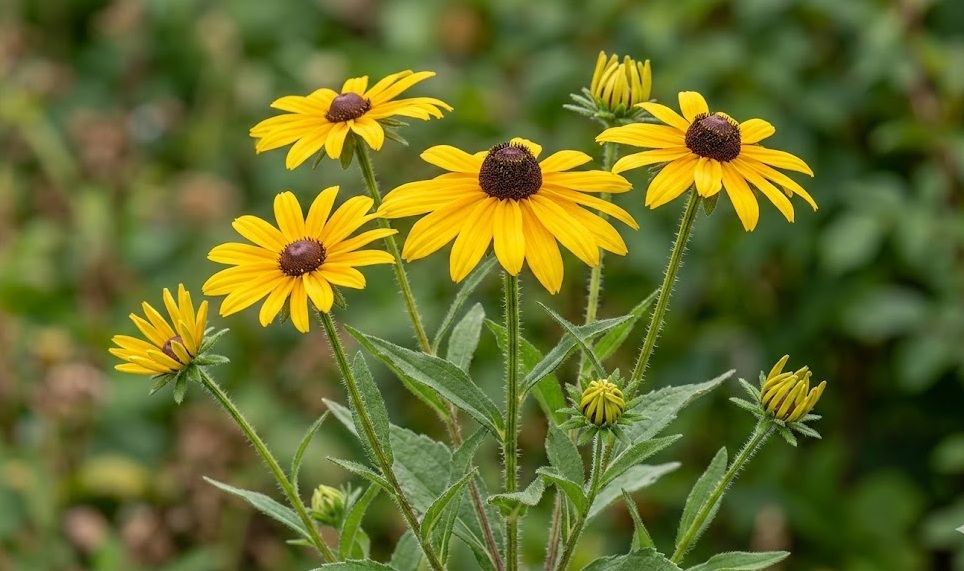
Monitoring the response of the plants to your deadheading efforts will help you refine your technique over several seasons. Some varieties are more responsive than others and will reward your efforts with an almost endless supply of golden petals. Keeping notes in your garden journal about which plants performed the best will help you make better decisions for your future garden layouts. Professionalism in gardening is a journey of continuous improvement and attentive care.
More articles on this topic
Mid-season structural pruning
Sometimes a plant can become too tall or leggy, especially if it is growing in a spot with less than optimal light. In these cases, a mid-season pruning can help to shorten the stems and encourage a more compact and sturdy growth habit. You can remove the top third of the plant in the early summer before it starts to flower to create a bushier appearance. While this might delay the start of the blooming period slightly, the result is often a much more attractive and self-supporting plant.
Structural pruning is also useful for improving the air circulation within a dense planting, which is a key factor in preventing fungal diseases. By thinning out some of the internal stems, you are allowing the wind to move through the foliage and dry the leaves more quickly after a rain. This professional technique is especially important in humid climates where powdery mildew is a constant challenge for many gardeners. A healthy plant is one that has enough room to breathe and grow without competition.
When pruning for structure, you should always look for any stems that are crossed, rubbing together, or showing signs of damage. Removing these problematic parts will prevent future issues and allow the plant to focus its energy on its strongest and healthiest sections. Aim for a balanced and symmetrical shape that will look good from all angles of your garden or landscape design. A professional eye for form and function is what makes a garden stand out from the rest.
Be sure to provide a little extra water and perhaps a light application of fertilizer after a significant pruning session to help the plant recover. Cutting away a large portion of the foliage is a minor shock to the system, so supportive care is always a good idea. You will be surprised at how quickly the plant bounces back and begins to put on new, healthy growth. This proactive management is a hallmark of a professional who is not afraid to take control of their garden’s development.
Final autumn cleanup
As the growing season comes to an end, the final pruning of the year is about preparing the garden for its winter rest. Once the foliage has turned brown and the first hard frost has occurred, you can cut the stems back to a few inches above the soil line. This removes the old material that might harbor pests or diseases and makes the garden look much neater during the winter months. Many professional gardeners find this task to be a satisfying way to close out a successful year of growth.
If you have chosen to leave some stems for winter interest or bird food, you can postpone this final cleanup until the very early spring. There is a lot of value in providing habitat for local nature, and the brown stems can look quite beautiful when covered in a layer of frost or snow. Just be sure to complete the task before the new shoots begin to emerge from the ground so you don’t accidentally damage them. Professional gardening is about finding the right balance between order and the natural world.
Disposing of the pruned material correctly is just as important as the pruning itself to maintain a healthy environment. If the plants were healthy, you can add the stems and leaves to your compost pile where they will break down into valuable organic matter. However, if there were any signs of disease, it is best to bag the material and remove it from your property or burn it where local laws allow. This professional caution is the best way to ensure that your garden stays healthy for many years to come.
Taking a moment to clean and oil your tools after the final pruning of the season is a great way to protect your investment. Store your pruners and other equipment in a dry place where they will be ready for action when the first signs of spring return. Reflecting on the work you have done and the beauty you have created is a rewarding end to the professional gardener’s year. Your attentive care through pruning and deadheading has ensured a healthy future for your favorite golden flowers.