
Deadheading for continuous bloom
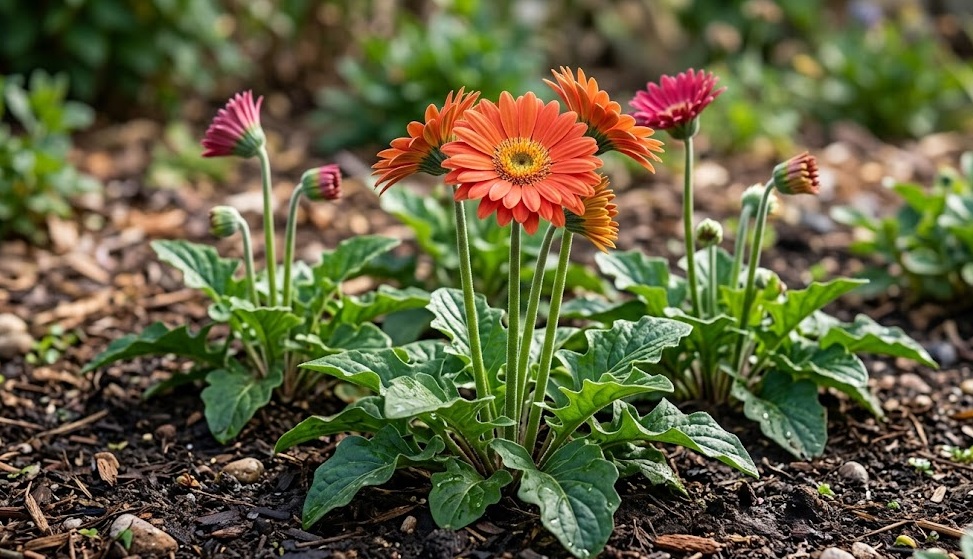
The practice of removing spent flowers, commonly known as deadheading, is the most important pruning task for any flowering plant. When a flower begins to fade and lose its petals, the plant starts to shift its energy toward seed production. By cutting the flower stalk off before the seeds can form, you trick the plant into thinking it hasn’t successfully reproduced yet. This encourages the plant to immediately begin developing new buds to ensure its survival.
To deadhead correctly, you should follow the flower stem all the way down to the base where it emerges from the foliage. Use a pair of sharp, clean snips to make a clean cut as close to the crown as possible without damaging the surrounding leaves. Leaving long, headless “stumps” is not only unsightly but also provides a potential entry point for pests and diseases. Regular deadheading throughout the season keeps the plant looking tidy and focuses all its resources on creating a spectacular display.
It is best to remove the flowers as soon as they start to look “tired” rather than waiting for them to wither completely. This keeps the plant’s energy levels high and prevents the unnecessary use of nutrients for a dying bloom. During the height of the summer, you may find yourself deadheading every few days as the plant goes through its rapid flowering cycles. This small investment of time is what separates a professional-looking garden from one that looks neglected.
In addition to encouraging more blooms, deadheading also improves the overall air circulation around the center of the plant. Removing the old, thick flower stalks opens up the crown, allowing more light and air to reach the new growth. This simple act of hygiene reduces the risk of gray mold and other fungal issues that thrive in crowded, damp conditions. A well-deadheaded plant is a healthier, more vigorous specimen that will reward you with beauty all season long.
Foliage pruning and thinning
While the flowers are the main attraction, the health of the leaves is what fuels the entire plant’s growth and production. Over time, the older, lower leaves will naturally become yellow or develop brown spots as they reach the end of their lifespan. Removing these aging leaves not only improves the appearance of the plant but also prevents them from becoming a home for pests. Use your shears to cut these leaves off at the base, taking care not to nick the tender crown.
More articles on this topic
If the plant becomes too dense with foliage, it can restrict airflow and create a humid microclimate that favors disease. Thinning out some of the center leaves can help open up the plant and allow more light to reach the developing flower buds. This is especially important for plants grown in humid environments or in crowded containers where air movement is limited. A balanced canopy of leaves is much more efficient at photosynthesis than a crowded, overlapping one.
Damaged or diseased leaves should be removed immediately, regardless of where they are on the plant. Leaves that show signs of fungal infection, such as powdery mildew or leaf spot, should be disposed of in the trash rather than the compost pile. This prevents the spores from spreading to the rest of your garden and reduces the overall disease pressure on your plants. Quick action when you spot a problem is the hallmark of an expert gardener who prioritizes plant health.
Pruning should always be done with a goal in mind, whether it is to improve health, shape, or productivity. Avoid “hacking” at the plant and instead make deliberate, clean cuts that allow the plant to heal quickly. The best time for a major foliage cleanup is in the early spring as the plant is waking up or in the autumn before it goes dormant. Throughout the growing season, a “little and often” approach to maintenance keeps the plant in peak condition.
Tool sterilization and timing
The importance of using clean, sharp tools cannot be overstated when it comes to any type of pruning or deadheading. Dull blades can crush the delicate stems instead of cutting them, leaving a ragged wound that is slow to heal and prone to infection. Sharp tools make the job easier for you and much safer for the plant, ensuring a quick recovery after every session. It is worth investing in a high-quality pair of bypass pruners or floral snips for this specific task.
More articles on this topic
Sterilizing your tools between plants is a professional standard that prevents the spread of invisible pathogens like viruses and bacteria. A quick wipe with a cloth soaked in 70% isopropyl alcohol is the most convenient method for most home gardeners. You can also use a solution of one part bleach to nine parts water, though this can be corrosive to your tools over time. Maintaining this level of hygiene is the best way to protect your entire collection from a single infected plant.
Timing your pruning sessions is also important for minimizing stress on the plant and maximizing its response. The best time to prune or deadhead is in the early morning when the plant is fully hydrated and the temperatures are still cool. This allows the cuts to begin healing before the heat of the day increases the rate of transpiration and stress. Avoid pruning during periods of extreme heat or when the plant is already showing signs of drought stress.
Finally, always take a moment to step back and look at the whole plant before you start cutting. Pruning is as much an art as it is a science, and maintaining a balanced, natural shape is part of the goal. By following these professional guidelines, you ensure that your pruning efforts contribute to the long-term health and beauty of your plants. A well-maintained specimen is a testament to the skill and care of the gardener who looks after it.