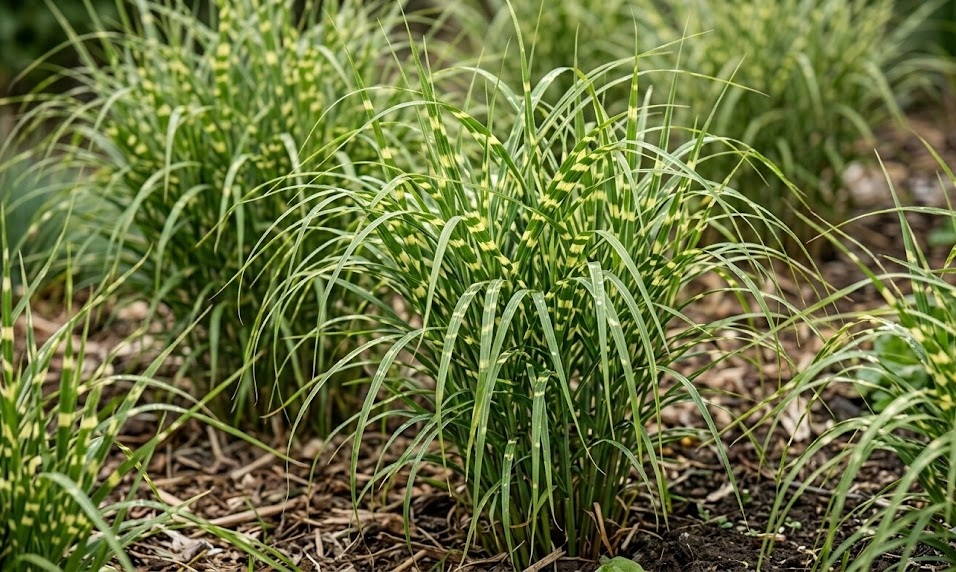

Proper pruning is the most significant maintenance task for zebra grass and is essential for its long-term health and beauty. This process involves removing the dead growth from the previous year to make way for the fresh, vibrant shoots of the new season. While it may seem drastic to cut the plant nearly to the ground, it is exactly what the grass needs to thrive. Following a professional pruning routine ensures that your specimen remains tidy and productive year after year.
The timing of the pruning is the most critical factor to consider when you are ready to pick up your garden shears. The best time to cut back zebra grass is in late winter or very early spring, just before the new growth starts to emerge. You want to remove the old foliage while it is still dormant to avoid accidentally cutting the tips of the new green shoots. In our climate, this usually happens in late February or throughout the month of March, depending on the weather.
If you cut the grass back too early in the autumn, you strip the plant of its natural winter protection and visual interest. The dead stems provide a buffer for the crown against the freezing temperatures and heavy snow of the winter months. Conversely, if you wait too long in the spring, the new growth will be tangled with the old brown stems, making it impossible to clean up neatly. Finding that perfect window in late winter is the hallmark of an experienced and professional gardener.
Before you begin the pruning process, you should gather the necessary tools and ensure they are sharp and clean. A pair of high-quality hedge shears or a specialized serrated grass knife is usually the best tool for the job. If you have a very large and established clump, some gardeners even use a powered hedge trimmer to make the work faster and easier. Clean tools prevent the spread of diseases and make a much cleaner cut, which is better for the health of the plant.
Techniques for a clean cut
To make the pruning process easier, you should first tie the dead stems together into a tight bundle with garden twine. This prevents the individual leaves from blowing away and creates a stable mass that is much easier to cut through. You can then make your cut several centimeters above the ground, usually leaving about ten to fifteen centimeters of the old stems. Tying the grass first transforms a potentially messy job into a very neat and organized one.
More articles on this topic
When making the cut, aim for a slightly rounded or domed shape rather than a perfectly flat surface. This allows any early spring rain to run off the sides of the crown rather than pooling in the center of the old stems. A domed cut also mimics the natural growth habit of the plant as it begins to push up its new shoots from the middle. This small professional detail helps to protect the crown from moisture-related issues during the early spring transition.
Dispose of the old foliage properly by composting it or using it as a natural mulch in other parts of the garden. Because Miscanthus stems are quite sturdy and high in silica, they can take a while to break down in a standard compost pile. You might want to shred the material first to speed up the decomposition process and create a finer texture. Never leave the dead piles near the base of the plant, as they can harbor pests and prevent sunlight from reaching the ground.
Once the main cutting is done, you can use a hand rake or your gloved fingers to gently comb through the base of the plant. This helps to remove any small pieces of debris or old leaves that are still clinging to the crown of the grass. A clean crown allows the sunlight to warm the soil directly, which encourages the new shoots to emerge more quickly. This thorough cleanup is the final step in preparing your zebra grass for a spectacular new growing season.
Tool maintenance and safety
Safety is always a priority when working with ornamental grasses like the ‘Zebrinus’ cultivar. The edges of the leaves can be surprisingly sharp and can cause small, irritating cuts on your hands and arms. You should always wear sturdy gardening gloves and long sleeves when handling the dried foliage during the pruning process. Eye protection is also recommended, especially if you are working in windy conditions where small pieces of dry grass might fly around.
More articles on this topic
Keeping your tools sharp is not just about making the job easier; it is about the health of the plant. A dull blade will tear and crush the stems rather than cutting them cleanly, which can create entry points for pests and diseases. You should sharpen your shears or knives at the beginning of every season to ensure they are in top condition. A quick wipe with a disinfectant like rubbing alcohol between plants is also a good professional practice to prevent cross-contamination.
If you are using power tools, make sure they are well-maintained and that you follow all the manufacturer’s safety guidelines. Powered hedge trimmers are very effective for large landscapes but require a steady hand to get a clean, level cut. Always check for any hidden objects like stones or irrigation lines within the grass before you start the machine. Taking these precautions ensures that both you and your garden stay safe during the spring maintenance routine.
After you have finished the pruning for the day, clean your tools thoroughly to remove any sap or debris. A light coating of oil on the metal blades will prevent rust from forming while the tools are in storage. Proper tool care is an investment in your garden’s future and ensures that you are always ready for the next task. By treating your equipment with respect, you mirror the professional standards that lead to a successful and beautiful zebra grass display.