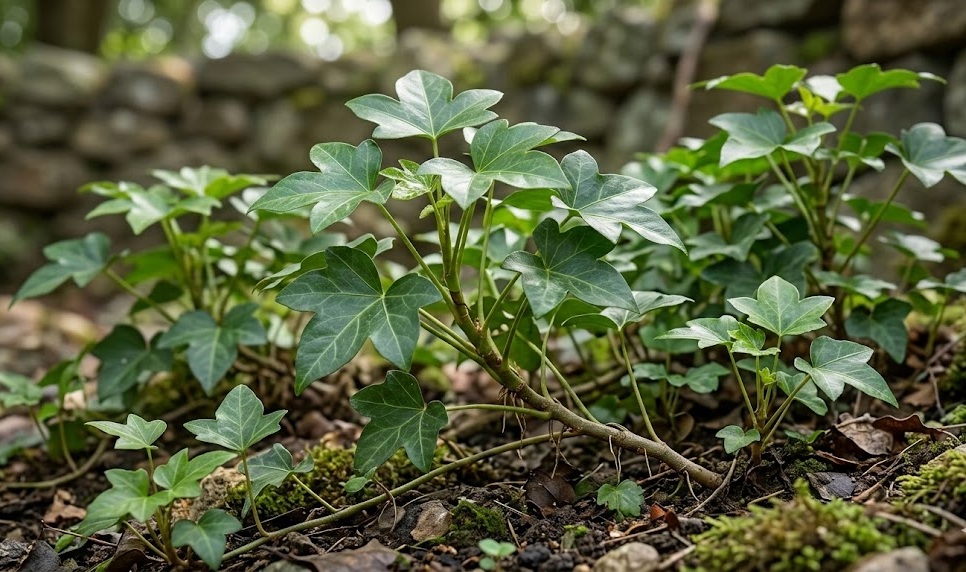

Pruning and cutting back your tree ivy is a vital maintenance task that ensures the plant remains healthy, structurally sound, and visually appealing. Because this hybrid inherits the fast-growing nature of its ivy parent, it can quickly become overgrown or leggy if left to its own devices. Regular pruning allows you to control the size of the plant, making it suitable for smaller indoor spaces or specific decorative arrangements. It also provides an opportunity to remove any damaged or diseased foliage, which improves the overall hygiene and vigor of the specimen.
The best time to perform major pruning is in the early spring, just as the plant is beginning its most active phase of growth. Cutting the stems back at this time stimulates the dormant buds along the branches, leading to a much bushier and more compact growth habit. You can also perform light trimming throughout the growing season to maintain a specific shape or to remove unruly stems. Avoid heavy pruning in the late autumn or winter, as the plant’s slower metabolism means it will take much longer to heal and recover.
When pruning, it is essential to use high-quality, sharp bypass pruners or heavy-duty garden shears to ensure clean cuts. Ragged or crushed stems are much more susceptible to infection and take longer to form a protective callus. Always make your cuts just above a leaf node, which is the point where a leaf or a side branch attaches to the main stem. This is where the plant’s growth hormones are most concentrated, ensuring that new growth will emerge quickly from the desired location.
Don’t be afraid to be somewhat bold when cutting back an overgrown tree ivy, as it is a resilient plant that responds well to rejuvenation. If a specimen has become too tall and sparse at the bottom, you can cut the main stems back by half or even more to encourage lower branching. This “hard pruning” can be a bit nerve-wracking for beginners, but it is often the best way to save a neglected plant. With proper care and feeding following the pruning, your ivy will reward you with a flush of healthy new growth.
Techniques for shaping and density
To achieve a dense, bushy appearance, you should practice “pinching” the growing tips of the young stems regularly. This involves removing the very tip of a branch with your fingernails or small shears, which breaks the apical dominance and forces the plant to produce side shoots. If you do this consistently as the plant grows, you will end up with a much fuller specimen that has many more leaves. This technique is particularly effective for plants that are being grown as standalone shrubs rather than trained on a trellis.
More articles on this topic
For plants that are being grown on a support system, pruning is more about directing the growth and maintaining the desired structure. You should remove any stems that are growing away from the support or that are becoming too heavy for the framework to hold. By thinning out some of the interior growth, you also improve air circulation through the center of the plant, which helps prevent fungal issues. This targeted approach keeps the plant looking organized and highlights its architectural qualities.
If your tree ivy has developed a “leggy” appearance with long stretches of bare stem, you can use pruning to reset its growth. Identify the lowest healthy leaf nodes on the bare stems and make your cuts there to stimulate new foliage lower down. It may take a few months for the plant to fill back in, but the resulting shape will be much more attractive and balanced. Combining this with a fresh application of fertilizer will give the plant the resources it needs to produce that new growth quickly.
Always keep the final desired shape in mind as you work your way around the plant, stepping back occasionally to check the overall symmetry. It is easy to get caught up in the details and accidentally remove too much from one side, leading to an unbalanced look. Pruning is as much an art as it is a science, and your own aesthetic preferences should guide your decisions. Over time, you will develop a “feel” for how the plant responds to your cuts, making the process much more intuitive.
Tool maintenance and safety procedures
Before you begin any pruning project, you must ensure that your tools are clean and properly sterilized. Using dirty shears is one of the fastest ways to spread diseases like leaf spot or bacterial wilt from one plant to another. You can easily sanitize your tools by wiping the blades with a cloth soaked in seventy percent isopropyl alcohol or a dilute bleach solution. This simple step is a hallmark of professional horticulture and should never be skipped, especially if you have several plants in your collection.
More articles on this topic
Keeping your pruning tools sharp is equally important for the health of the plant and your own ease of work. Dull blades will tear the stems rather than cutting them, which creates a large, irregular wound that is difficult for the plant to seal. You can use a simple sharpening stone or a dedicated tool sharpener to keep your blades in top condition throughout the season. A clean, sharp cut heals much faster and looks much better than a jagged one, preserving the plant’s aesthetic appeal.
Safety should also be a consideration, as the sap of some ivy-related plants can be irritating to sensitive skin. While tree ivy is generally safe to handle, it is a good idea to wear garden gloves, especially if you are doing extensive pruning. If you do get sap on your skin, wash it off with soap and water as soon as possible to avoid any potential irritation. It is also wise to keep the clippings away from pets and small children, just as a general precaution for any indoor plant material.
Finally, dispose of all the pruned material immediately rather than leaving it on the soil surface or in the pot. Fallen leaves and cut stems can quickly become a breeding ground for pests like fungus gnats or various types of mold. If the material you removed was diseased, it should be placed in a sealed bag and put in the trash rather than the compost pile. Keeping your workspace clean is an essential part of the overall pruning process and contributes to the long-term health of your entire indoor garden.
Stimulating and supporting new growth
After a significant pruning session, your tree ivy will need a bit of extra care to help it recover and start producing new foliage. Ensure the plant is in a location with optimal bright, indirect light, as it will need plenty of energy to fuel its new growth. Avoid moving the plant to a shady corner immediately after pruning, as this can stall the recovery process and lead to weak, pale stems. The more energy the plant can produce through photosynthesis, the faster it will bounce back from the “stress” of being cut.
Watering should be adjusted slightly, as a plant with fewer leaves will transpire less moisture than it did before the pruning. Be careful not to overwater during the first few weeks after a heavy cut-back, as the roots won’t be pulling as much water from the soil. Once you see the new buds beginning to break and tiny leaves appearing, you can gradually return to your normal watering schedule. This transition period is a delicate time, so check the soil moisture levels frequently with your finger.
Once the new growth is a few centimeters long, you can reintroduce a balanced liquid fertilizer to provide the necessary nutrients for expansion. Nitrogen is particularly important at this stage, as it is the primary fuel for leaf and stem development. A single application at half-strength is usually enough to give the plant a good boost without risking fertilizer burn on the new, sensitive tissues. Watching the plant respond to this extra nutrition is one of the most rewarding parts of the pruning cycle.
If you are training your ivy on a support, use this opportunity to reorganize the remaining stems and secure them to the trellis or pole. The new, flexible growth will be easy to guide into any gaps you created during the pruning process. As these new branches harden off and become more woody, they will provide a fresh framework for the next season’s growth. This continuous cycle of pruning and training ensures that your tree ivy remains a stunning and well-managed feature of your home for many years.