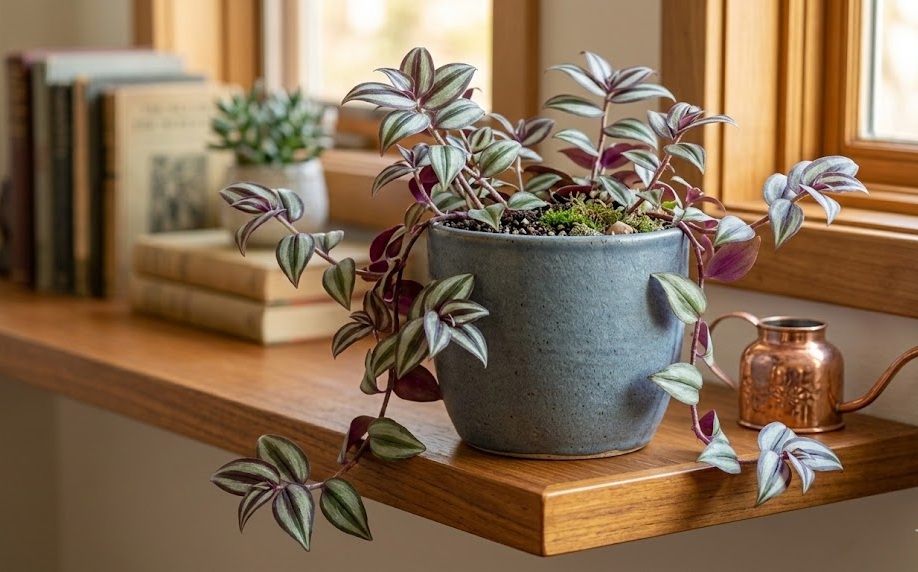

Regular pruning is an essential part of maintaining the health and aesthetic appeal of any trailing plant, especially one that grows as vigorously as this species. You must overcome the fear of cutting your plant, as strategic intervention actually stimulates new growth and prevents the “leggy” look that often plagues older specimens. By removing the tips of the vines and cutting back exhausted stems, you encourage the plant to branch out and create a much fuller, bushier appearance. Pruning is not just about size control; it is a vital tool for rejuvenation and long-term vitality.
The best time to perform a major pruning session is in the early spring, just as the plant is waking up from its winter rest and preparing for a season of growth. At this time, the plant has the highest concentration of growth hormones and will recover from the cuts much more quickly than at any other time of the year. You can also prune lightly throughout the summer to maintain the shape of the vines and to remove any leaves that have become damaged or discolored. Avoid heavy cutting in the late autumn or winter, as the plant’s slower metabolism makes recovery much more difficult and stressful.
When you are ready to prune, you should always use a sharp, clean pair of scissors or a dedicated pruning tool to ensure the cuts are smooth and precise. Ragged or crushed stems are much more likely to become infected with fungi or bacteria, which can spread back into the main body of the plant. You should make your cuts just above a leaf node, which is the point where a leaf is attached to the stem. This is the location where the plant stores its dormant buds, and a clean cut here will trigger the growth of two or more new stems.
Identifying which parts of the plant need the most attention is a skill that develops with practice and observation of the vine structure. You should prioritize removing stems that have lost their lower leaves and look like bare, “naked” vines with only a few leaves at the very tip. These older stems are no longer providing much benefit to the plant and are taking up space that could be used by younger, more vigorous growth. Cutting these back to the base of the plant or to a healthy node will clear the way for a fresh flush of foliage.
Encouraging a bushy growth habit
Pinching is a specialized form of light pruning that involves removing the very tip of a growing vine with your fingernails or small snips. This simple action disrupts the plant’s apical dominance, which is its natural tendency to focus all its energy on the single growing point at the end of the stem. When the tip is removed, the plant is forced to activate the buds further down the vine, resulting in multiple new branches. If you do this regularly, your plant will remain incredibly dense and full rather than becoming a few long, thin strands.
More articles on this topic
You should aim to pinch back your vines every few weeks during the active growing season to maintain the ideal shape and density. Even if the vine is not yet too long, removing the top two centimeters will encourage a more robust structure and prevent the plant from becoming top-heavy. This technique is particularly important for young plants, as it helps build a strong foundation of multiple stems right from the beginning. Consistency is key, and a few seconds of pinching each week will save you from a major pruning job later in the year.
If your plant has already become severely leggy and thin, you may need to take a more aggressive approach and cut the entire plant back by half or even more. While this might look dramatic and even a bit sparse at first, the plant will respond with a massive burst of new, healthy growth from the base. Make sure you provide optimal light and a light dose of fertilizer after such a heavy pruning to support the plant as it rebuilds its foliage. Within a few months, you will have a specimen that looks brand-new and much healthier than it did before the intervention.
Don’t forget that the pieces you cut off are not waste; they are the perfect material for starting new plants through propagation. You can take the healthy tips you have pruned and place them in water or soil to create a whole new generation of silver inch plants. This turns a routine maintenance task into an opportunity to expand your garden or create thoughtful gifts for friends and family. The resilience of this species means that almost every healthy cutting has the potential to become a beautiful, independent plant.
Maintaining aesthetic and physical health
Pruning also serves a critical role in the physical health of the plant by improving air circulation within the dense mass of foliage. When the vines become too thick and tangled, the air in the center of the plant can become stagnant, creating a perfect environment for pests and diseases. By thinning out some of the older or overlapping stems, you allow fresh air and light to reach every part of the plant. This simple act of “opening up” the structure significantly reduces the risk of fungal infections and keeps the interior leaves from yellowing.
More articles on this topic
You should also use your pruning sessions as an opportunity to perform a deep-clean of the entire plant and its immediate surroundings. As you work through the vines, remove any dead or dying leaves that have become trapped in the foliage or have fallen onto the soil surface. These decaying materials are a magnet for fungus gnats and other pests that can quickly move from the debris to the healthy parts of your plant. A clean, well-pruned plant is much easier to inspect and maintain over the long term, ensuring you catch any issues early.
Aesthetic pruning is about more than just thickness; it is about creating a visual flow that complements your home’s decor and the plant’s container. You might want to prune the vines to a specific length so they don’t touch the floor, or you might want to encourage them to grow more to one side. Think of your plant as a living sculpture that you can shape and direct according to your own personal taste and the space available. This creative aspect of gardening is one of the most rewarding parts of caring for such a fast-growing and responsive species.
Finally, remember that pruning is a conversation between you and the plant, and it will show you exactly how it feels about your interventions. If you prune correctly, the plant will respond with lush, colorful growth and a strong, resilient structure that brings beauty to your home. If you notice any signs of stress, such as slow recovery or dieback, take a step back and evaluate your environmental conditions before the next session. With patience and a gentle touch, you can master the art of pruning and keep your silver inch plant in peak condition for many years to come.