
The art of pruning and cutting back is a critical skill that directly influences the health of the plant and the quality of the floral display. You must understand that every cut you make has a specific purpose, whether it is to harvest a bloom, remove a spent flower, or prepare the plant for its winter dormancy. Improper technique can stress the plant and open the door to various diseases that can compromise your entire collection. By mastering the professional methods for cutting and pruning, you can ensure that your gladiolus remains vibrant and productive for many years.
Harvesting the flower spikes for indoor arrangements is one of the most rewarding aspects of growing these majestic plants. You should use a very sharp knife and make a clean, diagonal cut as low as possible while still leaving at least four leaves on the plant. This is essential because the remaining leaves must continue to photosynthesize and provide energy to the underground corm for the rest of the season. A professional harvest ensures that you can enjoy the beauty of the flowers inside without sacrificing the health of the plant outside.
The best time of day to cut your flowers is in the early morning when the stems are fully hydrated and the air is still cool. You should carry a clean bucket of lukewarm water with you and place the stems into it immediately after they are cut. This prevents air from entering the vascular system of the plant, which would otherwise block the uptake of water and cause the flowers to wilt prematurely. This careful handling from the moment of harvest is a hallmark of professional floral management.
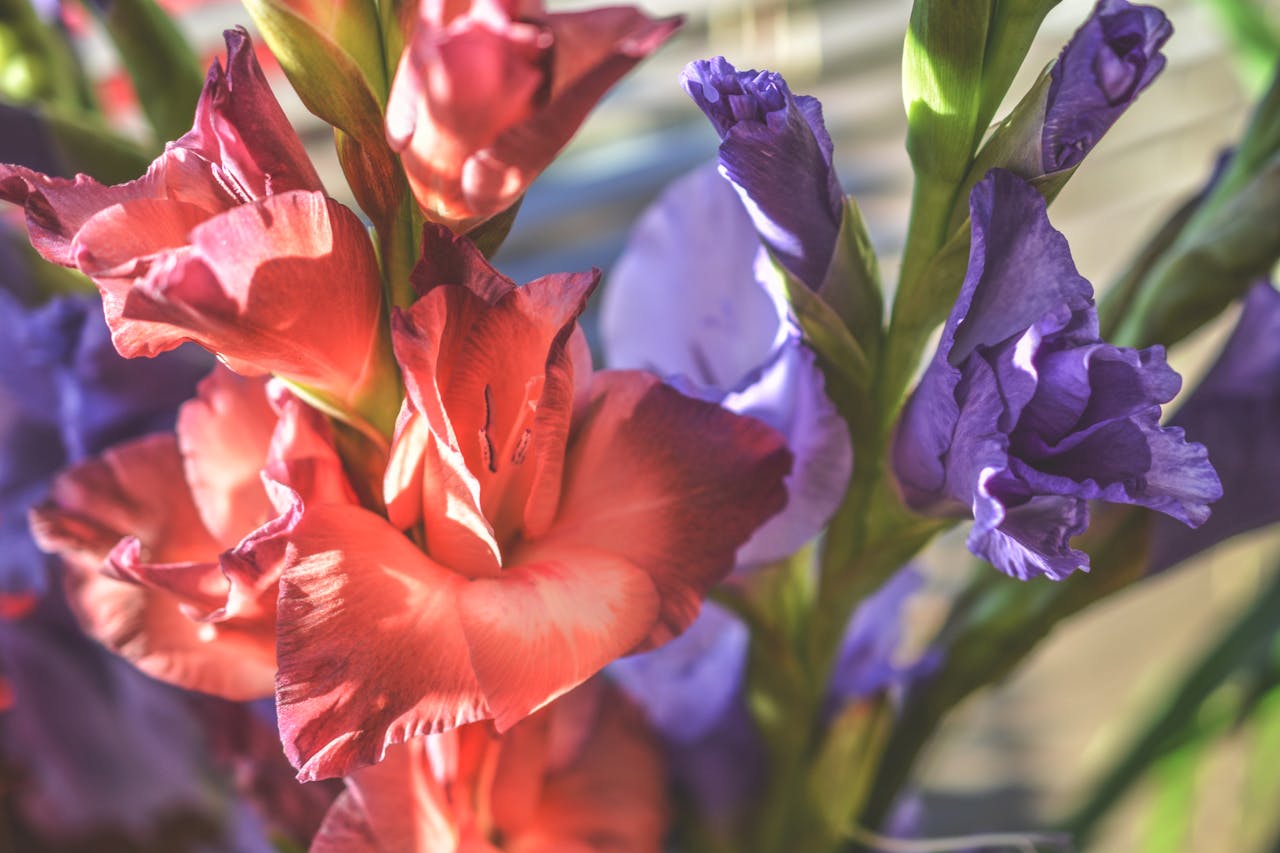
When selecting which spikes to cut, look for those where only the bottom one or two florets have started to open and show their color. These stems will continue to open their blossoms in sequence once they are placed in a vase, providing a long-lasting and dynamic display. Avoid cutting spikes where more than half of the flowers are already open, as these will have a much shorter vase life. Precision in selection and timing allows you to get the most value and beauty from every plant in your garden.
Floral harvesting and vase life maximization
Maximizing the vase life of your cut gladiolus requires a bit of additional care once you have brought the stems inside from the garden. You should re-cut the stems under water to remove any air bubbles and then place them into a clean vase with fresh water and floral preservative. Changing the water every two days and giving the stems a fresh cut will keep the flowers looking vibrant for a week or more. This professional attention to detail ensures that your hard work in the garden is fully appreciated in your home.
More articles on this topic
As the flowers in your vase begin to fade from the bottom up, you should pinch them off to keep the spike looking tidy and encourage the upper buds to open. This process mimics the natural progression of the plant in the garden and helps maintain a high aesthetic standard for your arrangements. You will notice that the spike becomes shorter as you remove the lower blossoms, creating a changing and interesting look over time. Professional florists use these techniques to create displays that remain attractive for as long as possible.
The chemical composition of the water you use can also have an impact on how long your cut flowers stay fresh and healthy. You should use filtered or distilled water if your local tap water is high in minerals or chlorine which might stress the delicate floral tissue. Adding a small amount of sugar and a drop of bleach to the water can act as a simple but effective homemade floral preservative. Understanding the science of post-harvest care is just as important as the science of growing the plants themselves.
Sharing your beautiful cut flowers with friends and neighbors is a wonderful way to spread the joy of gardening throughout your community. You should take pride in presenting professional-quality stems that are clean, healthy, and perfectly timed for opening. The gift of a hand-grown bouquet is a powerful testament to your skill and dedication as a horticulturalist. Ultimately, the art of harvesting is about bringing the beauty of the natural world into the spaces where we live and work.
Foliage removal and seasonal transitions
The removal of the foliage at the end of the season is a task that must be timed perfectly to ensure the health of the corm. You should wait until the leaves have turned yellow or brown naturally before cutting them back to just above the ground level. This indicates that the plant has finished its seasonal cycle of energy storage and is ready to enter its dormant phase. Cutting the foliage too early while it is still green will result in a smaller and weaker corm for the following year.
More articles on this topic
In some cases, you may need to remove damaged or diseased leaves during the growing season to prevent the spread of problems to healthy parts of the plant. You should always use sterilized tools for this work and dispose of the removed material away from your garden beds. Be careful not to remove too much foliage at once, as the plant needs its leaves to produce the energy required for growth and flowering. A minimalist and strategic approach to pruning is always the best policy for maintaining long-term health.
The physical act of cutting back the foliage should be done with clean, sharp shears to ensure a quick-healing wound. You should make your cuts at a slight angle to prevent water from pooling on the top of the cut stem, which could lead to rot. This attention to detail in the final tasks of the season is a mark of a disciplined and professional gardener. Every action you take is focused on protecting the integrity of the plant and preparing it for a successful future.
Once the foliage is removed, you should clear the area of any debris and prepare to lift the corms if you live in a climate with cold winters. Keeping the garden bed clean reduces the hiding places for pests and the breeding grounds for fungal spores during the winter months. This thorough cleanup is an essential part of your overall garden hygiene and disease prevention strategy. A professional garden is just as orderly and well-managed in the autumn as it is in the peak of summer.
Post-bloom maintenance and energy management
After the primary flower spike has finished blooming, the plant’s metabolic priorities shift from floral production to energy accumulation in the corm. You should continue to provide water and light to the green foliage to support this critical phase of the life cycle. The health of the leaves during the late summer directly determines the size and quality of the flowers you will see in the following year. A professional grower understands that the work of the season is far from over once the flowers are gone.
Deadheading, or the removal of spent flower spikes, is a key part of post-bloom maintenance that prevents the plant from wasting energy on seed production. You should cut the flower stem off near its base, being careful not to damage the surrounding leaves that must remain intact. This simple task keeps the garden looking neat and ensures that all available resources are directed toward building a strong and healthy corm. Consistency in deadheading is a sign of a well-maintained and professional horticultural operation.
Monitoring the color and texture of the leaves during this late-season phase can give you early warning of any nutrient deficiencies or environmental stress. You might consider a final, light application of a potassium-rich fertilizer to support the thickening of the corm walls. This proactive feeding helps the plant prepare for the long period of dormancy and ensures it has plenty of stored energy for the spring. A professional approach to gardening involves thinking across the entire cycle of the plant’s life.
As the first frosts of autumn arrive, you will see the natural transition of the plant as it prepares to shut down for the winter. You should be ready to step in and complete the final pruning and lifting tasks as soon as the foliage signals that it is ready. This coordinated effort between nature and the gardener is what makes the cultivation of gladiolus so rewarding and successful. Your commitment to proper pruning and cutting back ensures that the cycle of beauty continues year after year.