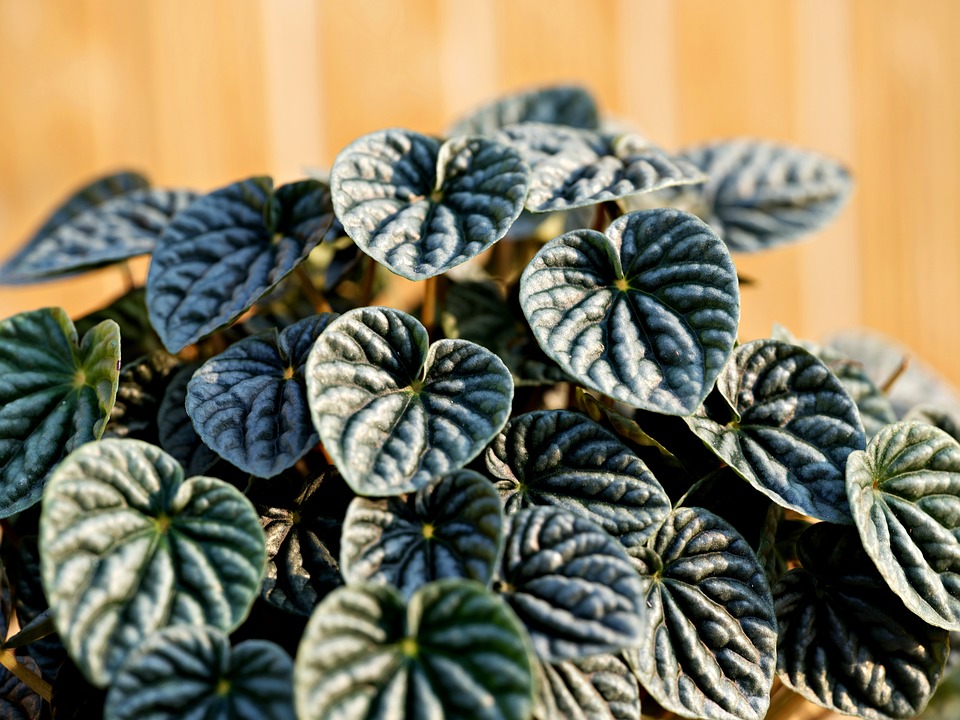

Maintaining the shape and health of your emerald ripple peperomia through pruning is an essential skill for any dedicated indoor gardener. While this plant is naturally compact, it can occasionally benefit from a bit of targeted grooming to keep it looking its best. Pruning is not just about aesthetics; it is also a way to encourage new growth and prevent the plant from becoming too crowded. You will find that a well-pruned specimen has better air circulation and a much more vibrant overall appearance.
Before you start any cutting, you must ensure that your tools are sharp and thoroughly cleaned to prevent the spread of diseases. A pair of small, precise gardening shears or even sharp household scissors will work perfectly for this delicate task. You should wipe the blades with rubbing alcohol before and after each use to maintain a sterile environment for your plants. This professional habit is one of the best ways to protect your greenery from accidental infections during maintenance.
The best time to perform any significant pruning is during the spring or early summer when the plant has plenty of energy to recover. When you remove a stem or a leaf, the plant will naturally redirect its resources to the remaining growth points. During the active growing season, you will see new shoots emerging from the base within just a few weeks of your intervention. Avoid heavy pruning in the winter when the plant is resting and its ability to heal is much more limited.
You should always have a clear goal in mind before you make your first cut, whether it is removing dead tissue or shaping the plant. Take a moment to look at the overall structure of the peperomia and identify any areas that look overcrowded or out of balance. It is better to take off a little bit at a time and re-evaluate than to remove too much all at once. Pruning is a thoughtful process that requires a bit of patience and a good eye for natural form.
Techniques for shaping the plant
If your emerald ripple peperomia has become a bit leggy or is leaning too much in one direction, you can prune the stems to encourage a bushier habit. By cutting a stem back to just above a leaf node, you stimulate the plant to grow new branches from that point. This technique is especially useful if you want to maintain a perfectly rounded and symmetrical shape for your tabletop display. You will be amazed at how quickly the plant responds to these small, strategic cuts with a flush of new growth.
More articles on this topic
When removing entire leaves that are damaged or yellowing, try to cut them as close to the base of the central mound as possible. This prevents leaving behind small stubs of stem that can eventually rot and attract unwanted pests or fungi. You can also use your fingers to gently pinch off smaller stems, though using scissors provides a much cleaner and more professional result. Keeping the base of the plant tidy is a key part of maintaining long-term health and vigor.
You might also find that some of the flower spikes become a bit unruly or start to lean over as they get older. While many people enjoy the look of the flowers, removing them can help the plant focus more energy on developing its beautiful foliage. If you do choose to remove the spikes, cut them at the base once they have finished their main bloom period. This keeps the plant looking neat and ensures that the leaves remain the primary focus of your indoor display.
If you have a particularly old or overgrown specimen, you might consider a more radical pruning to rejuvenate the entire plant. This involves cutting back a significant portion of the older stems to make room for fresh, young growth to emerge from the center. While the plant might look a bit sparse for a short time, it will soon bounce back with more energy and vibrancy than before. Rejuvenation pruning is a great way to extend the life of a favorite plant that has seen better days.
Post pruning care and recovery
After you have finished pruning your emerald ripple peperomia, it is a good idea to give it a little bit of extra attention to help it recover. Make sure the plant is in its favorite bright, indirect light spot where it can photosynthesize efficiently and fuel its healing process. You should also check the soil moisture and ensure the plant is well-hydrated but not sitting in water. Avoid fertilizing for a week or two to give the plant time to stabilize before you push for more growth.
More articles on this topic
The cut surfaces of the stems will naturally dry out and form a protective callus over the next few days. You should avoid getting water directly on these fresh cuts to prevent any bacteria or mold from entering the plant’s vascular system. If you notice any signs of softening or discoloration at the pruning sites, you can dab them with a little bit of cinnamon powder, which has natural antifungal properties. This simple home remedy is a favorite among indoor gardeners for protecting their plants during recovery.
You can often use the healthy stems and leaves you removed during pruning to start new plants through propagation. This turns your maintenance session into a productive activity that helps you expand your collection or share with friends. Simply follow the standard propagation techniques for leaf or stem cuttings to give these pieces a second life. It is a wonderful way to close the loop on your plant care routine and make the most of every part of your greenery.
Finally, take the time to step back and admire the results of your hard work once the plant has had a chance to settle in. A well-maintained emerald ripple peperomia is a testament to your skills and dedication as a gardener. Over time, you will develop a feel for exactly when and where to prune to keep your plants looking their absolute best. Enjoy the process of shaping your indoor garden and watching it thrive under your expert and thoughtful care.