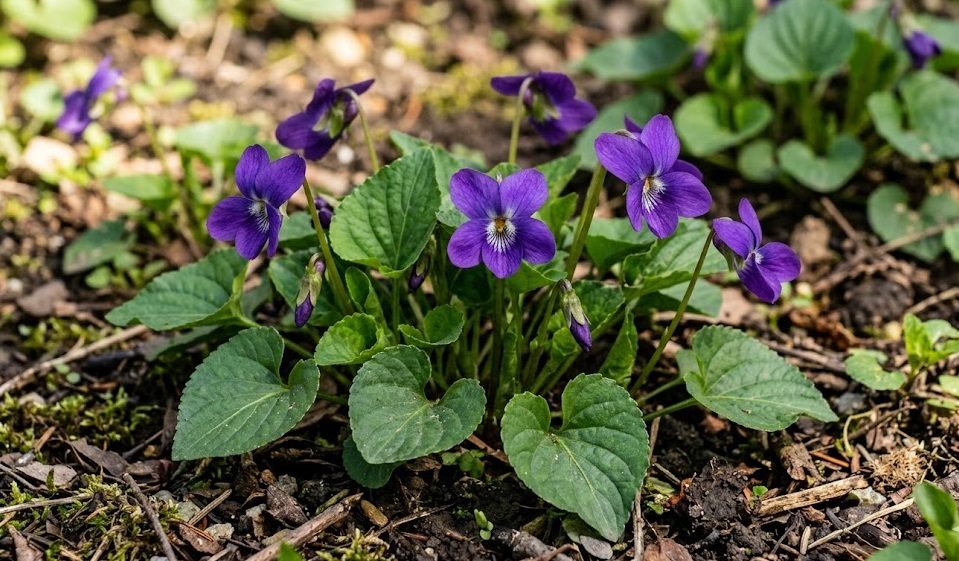

Managing the growth of the common blue violet through strategic pruning is an often-overlooked aspect of its care that can yield significant benefits. While these plants don’t require the intensive shearing that many shrubs do, a little bit of targeted maintenance keeps them looking their best. You should approach pruning as a way to refresh the foliage, control the plant’s spread, and prevent the buildup of old, unproductive material. With the right timing and techniques, you can ensure your violets remain a tidy and vigorous part of your garden design.
Aesthetic pruning and leaf management
The primary reason to prune common blue violets in a garden setting is to maintain a clean and attractive appearance. Throughout the summer, some of the older leaves may become tattered, yellowed, or damaged by insects and weather. You can simply snip these individual leaves off at the base of the stem to allow the fresher, younger growth to shine. This “spot cleaning” takes very little time but significantly improves the overall look of the plant carpet, making it appear much more manicured.
Deadheading, or the removal of spent flowers, is another form of aesthetic pruning that some gardeners find beneficial. While the early spring flowers are beautiful, they eventually fade and can look a bit messy as they turn to seed. By pinching off the old blossoms, you prevent the plant from putting its energy into seed production, which may encourage a slightly longer blooming period. However, since violets produce many of their seeds from hidden flowers later in the season, this is mostly for visual tidiness.
During periods of extreme heat or drought, the violets may produce a lot of yellow or brown foliage as they struggle to stay hydrated. If a large portion of the colony looks unsightly, you can actually perform a “renewal prune” by cutting the entire patch back to about two inches high. Provided the plants are well-watered afterward, they will quickly produce a fresh flush of beautiful new leaves within a few weeks. This is a great way to rejuvenate a tired-looking planting in mid-to-late summer, ensuring it looks good for the rest of the year.
Always use clean, sharp hand pruners or garden scissors when working with your violets to ensure clean cuts. Tearing the stems by hand can leave ragged edges that are more susceptible to disease and take longer to heal. It’s a good practice to wipe your tools with a bit of rubbing alcohol before moving from one plant group to another to prevent the spread of any hidden pathogens. Taking these small professional steps shows a commitment to the long-term health and beauty of your garden.
More articles on this topic
Controlling height and preventing overcrowding
In some garden situations, the common blue violet can grow surprisingly tall, with leaf stems reaching up to six or eight inches in height. If you prefer a lower, more compact groundcover, you can occasionally mow the patch with a lawnmower set to its highest setting. This should only be done once or twice a season and never during the peak of summer heat or when the plants are in bloom. Mowing encourages the plant to produce shorter, denser growth that creates a much tighter carpet on the forest floor.
Overcrowding is a common issue with established violet colonies, as the plants naturally want to fill every available inch of space. When the plants become too dense, the leaves in the center of the patch may start to die back due to a lack of light and air circulation. You can prune out some of the older, larger leaves from the center of the clump to allow more air to move through the plant. This simple act of thinning is one of the best ways to prevent fungal issues like powdery mildew from taking hold in your garden.
If the violets are beginning to encroach on paths or smother other delicate plants, you should prune back the edges of the colony. Rather than just cutting the leaves, you should use a sharp spade to cut through the rhizomes and remove the entire outer ring of plants. This creates a clean “edge” and prevents the colony from becoming an invasive nuisance in your more formal beds. Managing the perimeter of the patch is much easier than trying to thin a solid mass of plants once they have fully integrated.
For gardeners who use violets as a lawn alternative, regular “pruning” via mowing is the standard way to keep the area functional. You should leave the grass-violet mix a bit longer than a traditional lawn to respect the growth habit of the violets. This creates a soft, textured surface that is much more resilient to foot traffic and drought than a pure grass lawn. By treating the violets as part of the living carpet, you can enjoy their benefits without the need for constant, high-maintenance care.
More articles on this topic
Tools, timing, and post-pruning care
The timing of your pruning activities should always respect the natural life cycle of the common blue violet. The most intensive cutting or thinning should take place in the early spring or after the main flowering period has concluded. Avoid heavy pruning in the late autumn, as the plant needs its remaining leaves to gather energy for the winter dormancy period. By working with the plant’s natural rhythm, you ensure that your maintenance tasks support rather than hinder its growth.
Simple hand tools are usually all you need for managing violets in a typical garden bed. A pair of sharp floral snips is perfect for removing individual leaves or flowers with precision and ease. For larger areas or for edging the colony, a clean, sharp garden spade or a specialized edging tool is much more efficient. Investing in high-quality tools and keeping them well-maintained will make your gardening tasks much more enjoyable and effective over the long run.
After any significant pruning or thinning, it is important to provide the plants with a little bit of extra care to help them recover. You should water the area thoroughly to settle the soil around any disturbed roots and to hydrate the remaining foliage. Applying a light layer of fresh compost or mulch will provide a boost of nutrients and protect the newly exposed stems and soil. This “after-care” ensures that the plants bounce back quickly and continue to provide a beautiful green cover for your garden.
Finally, keep an eye on the new growth that emerges after you have pruned or thinned your violets. It should be bright green and vigorous, indicating that the plant has successfully navigated the stress of the maintenance. If the new leaves appear stunted or off-color, check your watering and nutrient levels to ensure the plant has what it needs. With a consistent but gentle approach to pruning, you can master the art of growing common blue violets and enjoy their presence in your landscape for many years.