
Removing spent blooms and leaves
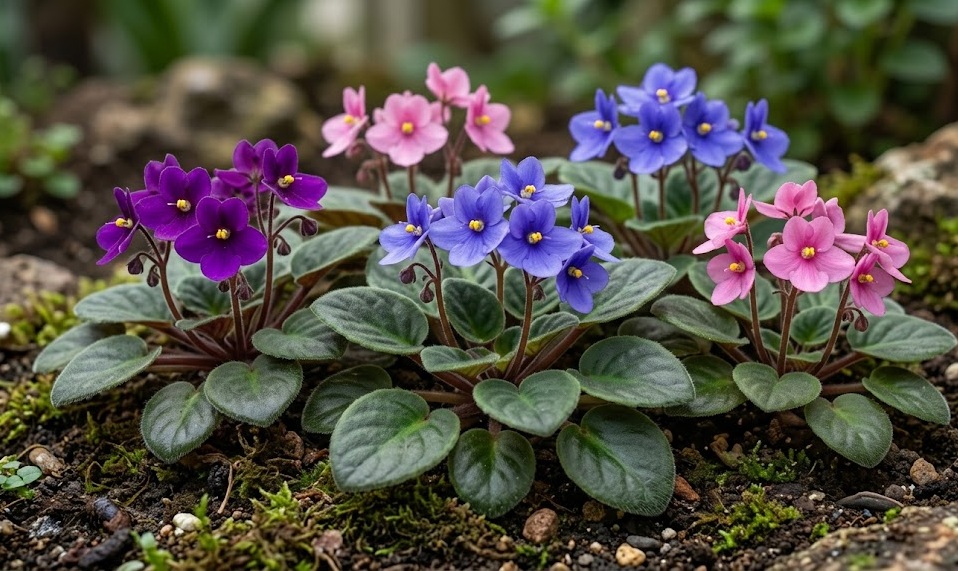
Regular grooming is an essential part of maintaining the health and aesthetic beauty of your African violet collection. You should make it a habit to remove every spent flower and withered flower stalk as soon as they begin to fade. This practice, known as deadheading, prevents the plant from wasting energy on seed production and encourages it to focus on creating new buds. It also removes a potential source of fungal infection, as decaying organic matter is often where pathogens like gray mold begin to grow.
Removing old or damaged leaves is just as important for the long-term vitality of the plant’s rosette. As the plant grows from the center, the older leaves on the bottom row will naturally age, lose their color, and eventually become soft. You should remove these leaves by snapping them off cleanly at the base of the main stem using your thumb and forefinger. If the leaf stem is stubborn, you can use a small, sharp knife to make a clean cut, being careful not to nick the main trunk of the plant.
Keeping the plant clean of dust and debris is another form of pruning that helps the foliage function at its peak. You can use a soft-bristled makeup brush or a small paintbrush to gently whisk away any soil or dust that accumulates on the fuzzy leaves. This ensures that the stomata, or breathing pores, on the leaf surface remain open and that the plant can photosynthesize efficiently. A well-groomed plant not only looks better but is also significantly more resilient against common indoor pests.
If you notice any leaves that are unusually small, distorted, or showing signs of disease, they should be removed immediately. This selective pruning prevents the problem from spreading to the rest of the plant and allows you to inspect the area for hidden pests like mealybugs. Always wash your hands or sterilize your tools between working on different plants to avoid the accidental transfer of pathogens. A proactive and disciplined approach to grooming is the hallmark of a truly expert African violet grower.
Rejuvenating leggy plants
Over time, an African violet may develop a long, bare stem below the rosette of leaves, often referred to as a “neck.” This happens naturally as older leaves are removed from the bottom, but it can make the plant look unattractive and unstable in its pot. To rejuvenate a leggy plant, you can perform a procedure that involves lowering the plant in its container to hide the bare stem. You should start by removing any remaining old or damaged leaves to expose the entire length of the neck.
More articles on this topic
Gently scrape the surface of the bare stem with a clean knife to remove the brown, corky layer and reveal the green tissue underneath. This light scraping encourages new roots to form along the length of the stem once it is buried in the soil. You may also need to trim a small amount off the bottom of the root ball to make room for the plant to sit lower in the pot. The goal is to have the lowest row of leaves sitting just above the new soil line.
After preparing the stem and the roots, place the plant back into its pot and fill in the gap with fresh, pre-moistened potting mix. Firm the soil gently around the newly buried stem and give the plant a small amount of lukewarm water to settle everything into place. It is often helpful to place the rejuvenated plant in a high-humidity environment, such as a clear plastic bag, for a couple of weeks. This extra humidity reduces the stress on the plant as it works to grow its new root system from the buried neck.
Within a month or two, the plant should be firmly anchored by its new roots and showing signs of vigorous growth in the center. This rejuvenation process can be done every year or two as part of your regular repotting schedule to keep your plants looking young and symmetrical. It is a highly effective way to save an older plant that has become unsightly but is otherwise healthy. Mastering this technique allows you to maintain a professional-quality collection for many years to come.
Tools and sanitation for pruning
Using the correct tools and maintaining a high standard of sanitation are critical components of a professional pruning routine. For most tasks, your fingers are the best tool because they allow for a gentle touch and reduce the risk of accidental damage. However, for more precise work or for removing tough stems, a pair of small, sharp scissors or a specialized horticultural knife is essential. Whatever tool you choose, it must be sharp enough to make a clean cut without crushing the delicate plant tissues.
More articles on this topic
Sterilizing your tools before and after use is the most effective way to prevent the spread of viral and fungal diseases between plants. You can use a simple solution of ten percent bleach in water or a quick wipe with seventy percent isopropyl alcohol to kill any pathogens. It is also a good idea to wash your hands thoroughly between handling different plants, especially if you suspect one might be unhealthy. This level of caution may seem extreme, but it is standard practice in professional greenhouses and high-end private collections.
Providing a clean work surface for your pruning and repotting tasks will also help keep your plants healthy and pest-free. Avoid using the same area for new, unquarantined plants and your established, healthy collection. If you are working on a plant that you suspect has a pest problem, do it last and clean the entire area immediately afterward. Maintaining an organized and sanitary workspace makes the entire process more enjoyable and much more successful for the long-term health of your garden.
Finally, always keep a supply of clean, fresh potting mix and sterilized pots on hand for when you need to perform more significant pruning or rejuvenation. Using old soil or dirty containers is a common way that pests and diseases are introduced into an indoor environment. By controlling every aspect of the pruning process, from the tools you use to the environment you work in, you ensure the best possible outcome for your African violets. Professionalism in gardening is found in the attention you pay to these small but vital details.