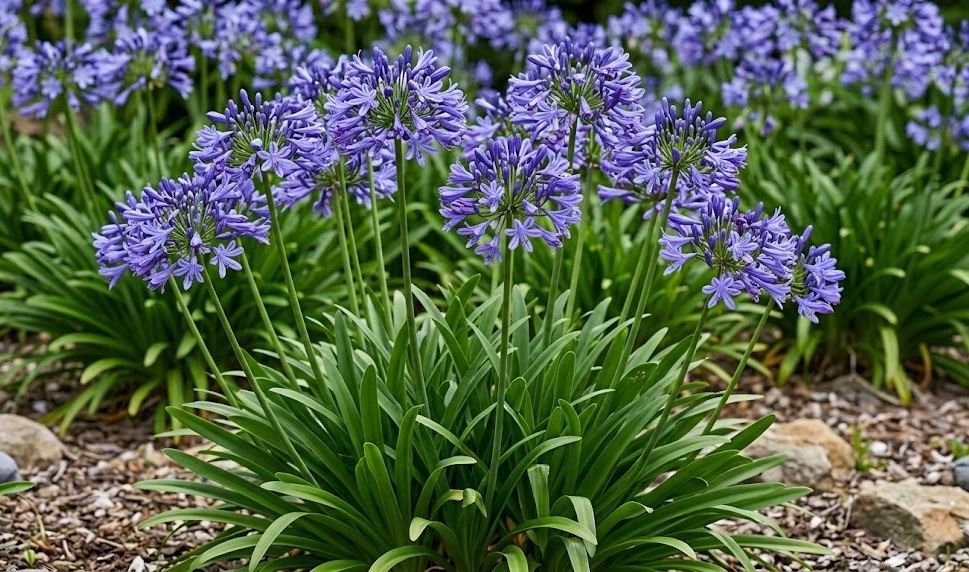

The practice of pruning and cutting back is an essential part of maintaining both the health and the aesthetic appeal of your African lilies. While these plants do not require the complex structural pruning of roses or shrubs, a thoughtful approach to removing spent material is highly beneficial. By intervening at the right moments, you can encourage the plant to direct its energy more efficiently and prevent the spread of diseases. A professional-looking garden is often defined by these small, careful acts of maintenance that keep the plants looking their absolute best.
Deadheading, or the removal of spent flower heads, is perhaps the most frequent pruning task you will perform during the summer months. Once the individual flowers in a cluster have faded and turned brown, the plant will naturally begin to form seeds. Producing seeds requires a significant amount of energy that could otherwise be used to strengthen the root system for the following year. By cutting off the flower stalks at their base, you are helping the plant conserve its resources and maintain a tidy appearance.
When you are deadheading, it is professional practice to use a sharp pair of bypass pruners to make a clean cut as close to the base of the stalk as possible. Avoid leaving “stubs” of the flower stems, as these can die back and provide an entry point for fungal infections or pests. If you are working with a large clump, you may need to gently move the leaves aside to reach the bottom of the stem safely. This simple routine not only benefits the plant but also keeps your garden borders looking vibrant and well-cared for throughout the season.
Some gardeners choose to leave a few of the more decorative seed heads on the plant for their architectural interest during the late summer. While this is a valid aesthetic choice, it is important to remember the trade-off in terms of the plant’s energy reserves. If you do leave them, make sure to remove them before the seeds are released if you want to avoid unwanted seedlings popping up in your borders. Professional gardening is often about making these informed choices to achieve a specific look or outcome.
Removing damaged or yellowing foliage safely
The foliage of the African lily is just as important as the flowers for creating a lush, professional landscape design. Over time, individual leaves will naturally reach the end of their lifespan and begin to turn yellow or brown, usually starting from the outside of the clump. Removing these aging leaves not only improves the appearance of the plant but also increases the air circulation around the crown. You can simply pull these leaves away if they are loose, or cut them off cleanly at the base with your pruners.
More articles on this topic
In addition to natural aging, leaves can also be damaged by environmental factors like wind, frost, or physical impacts. If a leaf is severely torn or crushed, it is better to remove it entirely rather than leaving it to wither slowly on the plant. Damaged tissue can become a magnet for pests like slugs or provide a foothold for various types of leaf-spot fungi. Keeping the foliage “clean” is a simple but effective way to maintain the overall health of your entire collection.
For evergreen varieties, the late winter or early spring is the best time to do a more thorough cleanup of the foliage. During the cold months, the outer leaves may have become “scruffy” or discolored from the wind and cold. By removing the most damaged leaves just as the new growth is starting to emerge, you give the plant a fresh, vibrant look for the new season. This annual “grooming” is a standard part of professional maintenance that ensures your garden always looks top-notch.
Always remember to clean your pruning tools with a disinfectant between working on different plants to prevent the spread of any potential issues. This is a hallmark of professional horticultural practice that is often overlooked by casual gardeners but is vital for long-term success. A quick wipe with a bit of rubbing alcohol or a specialized garden tool cleaner is all that is needed. By treating your tools with respect, you are also showing respect for the health and longevity of your plants.
Rejuvenation pruning and post-flowering care
Occasionally, an older clump of African lilies may become so dense and overcrowded that its performance begins to suffer. When this happens, a more radical approach to pruning and division may be necessary to rejuvenate the plant. This involves lifting the entire clump and cutting it into smaller, more vigorous sections as discussed in the propagation section. This “structural pruning” of the root system is essential for maintaining the long-term vitality of many clump-forming perennials.
More articles on this topic
After the flowering season is completely over and the weather begins to cool, the focus shifts to preparing the plant for the winter. For deciduous varieties, this means waiting for the foliage to die back naturally before cutting it down to a few inches above the soil level. This ensures that all the energy from the leaves has been successfully transferred back into the roots for storage. For evergreen types, you should only remove the dead flower stalks and any truly dead leaves, leaving the rest of the green foliage intact.
Feeding the plant a small amount of balanced fertilizer after pruning can sometimes help it recover and prepare for its dormant phase. However, as noted previously, be careful not to encourage new growth too late in the year with high-nitrogen feeds. The goal of post-flowering care is to support the plant’s natural transition into rest, not to force it into a new cycle of activity. A professional gardener works in harmony with the plant’s internal clock to achieve the best multi-year results.
Finally, take the time to observe how your plants respond to your pruning efforts over several seasons. You will find that regular, light maintenance is much easier and more effective than waiting until the plant is in a state of neglect. By making pruning a regular part of your gardening routine, you can ensure that your African lilies remain a stunning focal point in your landscape. Successful gardening is built on these consistent, expert habits that honor the natural growth and beauty of each plant.