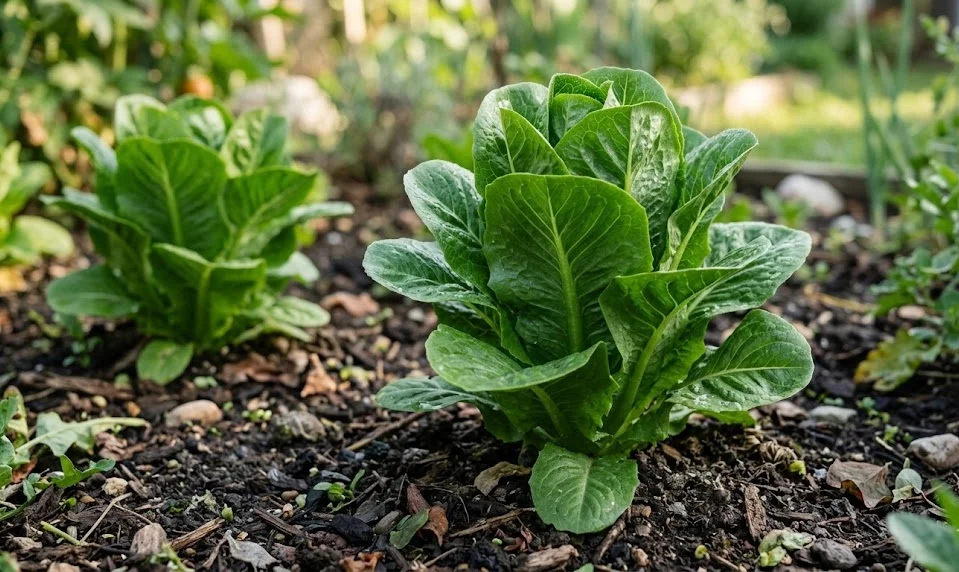

Pruning romaine lettuce is a simple yet effective technique that helps maintain the health and appearance of your plants throughout the growing season. By removing yellowed, damaged, or diseased leaves, you prevent potential problems from spreading to the rest of the head. This practice also improves the overall aesthetic of your garden, making it look well-tended and professional. Regularly checking your plants and taking a moment to tidy them up will pay off in the quality of your final harvest.
The lowest leaves of the romaine plant are often the first to show signs of age or stress as they are in direct contact with the soil. These leaves can become tough, bitter, or covered in garden debris, making them less desirable for the kitchen. You can gently pull these outer leaves away from the base of the plant to keep the center clean and focused on new growth. This also helps to reduce the risk of soil-borne diseases that can start on the foliage closest to the ground.
If you notice any leaves that have been chewed by insects or damaged by the wind, it is best to remove them promptly. Damaged tissue can become an entry point for bacteria and fungi that might eventually affect the entire plant. Using a clean pair of garden snips or just your fingers, you can easily excise the problematic parts without harming the healthy growth. This selective pruning keeps the plant’s energy focused on producing new, high-quality leaves for your table.
Improving air circulation around the base of the plant is another significant benefit of regular pruning and thinning of the foliage. When the leaves are too dense near the soil, moisture can become trapped, creating an ideal environment for rot and mildew. By removing a few of the lower leaves, you allow the wind to move more freely through the garden bed and dry out the soil surface. This simple action is one of the easiest ways to prevent many common lettuce diseases from taking hold in your garden.
Encouraging new growth and extending harvest
Many gardeners use a “cut and come again” method to enjoy a continuous harvest of romaine lettuce without ever removing the whole plant. This technique involves picking the largest outer leaves while leaving the central growing point intact to continue producing new foliage. By doing this, you can extend the productive life of a single plant for many weeks or even months. It is a fantastic way to maximize your yield, especially if you have a small garden space with limited room for new plantings.
More articles on this topic
When using this method, it is important to be gentle and avoid damaging the core of the plant where the new leaves emerge. Always leave at least three or four of the center leaves so the plant has enough photosynthetic capacity to recover quickly. You can harvest a few leaves from each plant every few days, ensuring that you always have a fresh supply for your salads. This constant renewal keeps the leaves young and tender, which is exactly what most people look for in a high-quality romaine.
If a plant begins to look a bit overgrown or the leaves are becoming crowded, a more significant pruning can help to rejuvenate it. By cutting back a larger portion of the foliage, you stimulate the plant to send out a fresh flush of new, sweet leaves. This can be particularly useful in the late spring just before the weather gets too hot, as it can delay the onset of bolting. Think of it as a professional reset for your plants that helps them stay productive for just a little bit longer.
Regularly harvesting or pruning your lettuce also encourages the root system to stay active and healthy. As you remove the older leaves, the plant naturally shifts its resources to support the growth of new ones, which requires a strong and efficient root system. This biological feedback loop keeps the whole plant in a state of youthful vigor for as long as possible. A well-managed lettuce patch that is regularly pruned will almost always out-produce one that is left to grow entirely on its own.
Post-harvest pruning and garden cleanup
Once you have finished harvesting a head of romaine, there is still some work to be done to maintain the health of your garden bed. If you have cut the head off at the base, you should remove the remaining root system and any leftover stem as soon as possible. Leaving old roots in the ground can attract pests and provide a home for diseases that might infect your next crop. A clean garden bed is the first step toward a successful following season and is a hallmark of a professional grower.
More articles on this topic
If you are planning to replant the same area immediately, take the time to clear away any fallen leaves or mulching material that has become mixed with the soil. This ensures that your new seeds or transplants have a fresh and clean environment in which to start their journey. You can compost the healthy green waste you have removed, but be sure to discard any diseased or insect-infested material in the trash. Maintaining high standards of sanitation in your garden is essential for long-term success and productivity.
Sometimes, after a full harvest, you might notice that some of the very smallest leaves were left behind on the soil surface. It is a good habit to gather these up and add them to your compost pile or use them as a very light mulch in another part of the garden. Keeping the ground clear of any decomposing vegetable matter reduces the number of hiding spots for slugs and other nocturnal pests. This attention to detail will make your gardening life much easier in the weeks and months to come.
Finally, take a moment to clean and dry your pruning tools after each use in the garden. This prevents the spread of pathogens between different plants and ensures that your equipment stays in good working order for years. A quick wipe with a disinfectant or a bit of soapy water is all it takes to keep your snips and knives ready for their next job. Caring for your tools is just as important as caring for your plants if you want to achieve professional results in your horticultural endeavors.